
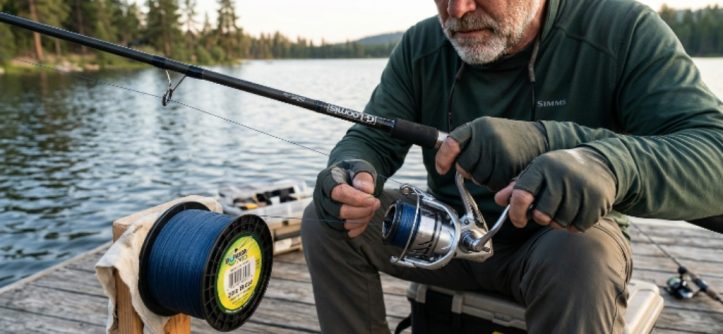
Fishing is one of the most relaxing hobbies in the world. But nothing breaks that calm faster than a tangled line. Whether you are a beginner or a seasoned angler, dealing with knots and loops mid-session can ruin your day on the water. The good news is that better line management is a skill anyone can learn. With a few simple habits and the right techniques, you can enjoy smooth, frustration-free casting every time.
This guide walks you through everything you need to know about managing your fishing line properly. From choosing the right line to storing your gear correctly, each step makes a real difference.
Choose the Right Fishing Line for Your Setup
The first step to tangle-free casting starts before you ever reach the water. Choosing the right type of line for your rod and reel is essential. There are three main types of fishing line: monofilament, fluorocarbon, and braided line. Each one behaves differently on the spool.
Monofilament is the most forgiving for beginners. It stretches slightly and handles well on most spinning reels. Fluorocarbon is stiffer and sinks faster, making it ideal for clear water. Braided line is very strong and thin, but it can dig into the spool and cause problems if not spooled correctly.
Always match your line weight to the rod and reel specifications. Using a line that is too heavy or too light for your setup causes unnecessary tension. That tension, over time, leads to coils and loops that are hard to manage.
Spool Your Reel the Right Way
Improper spooling is one of the most common causes of line problems. Therefore, taking a few extra minutes to spool your reel correctly is well worth the effort.
When loading monofilament or fluorocarbon onto a spinning reel, lay the line spool flat on the ground. The line should come off the spool in the same direction that it winds onto your reel. This simple step reduces the twist that builds up over time.
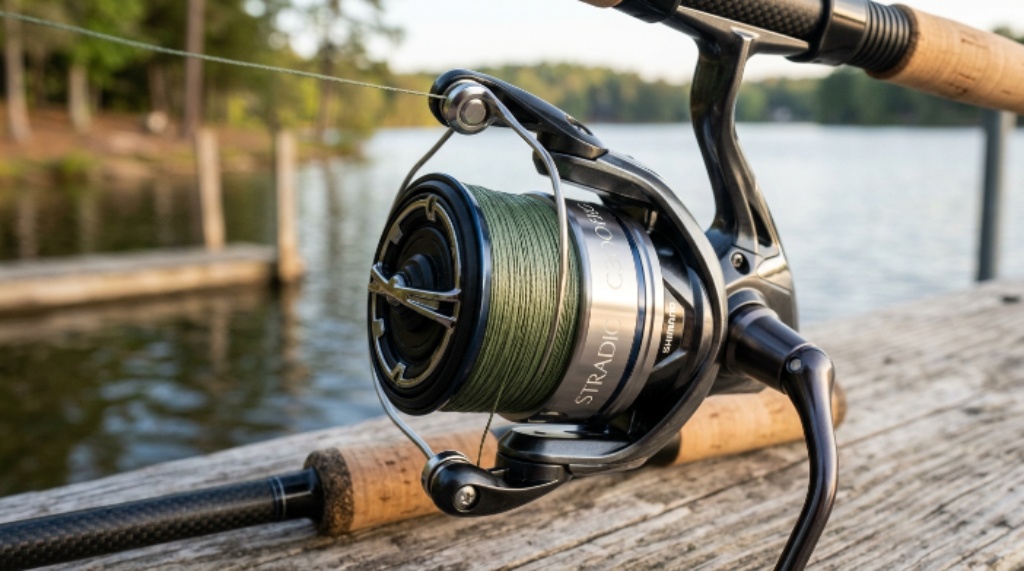
Fill the spool to about one-eighth of an inch from the rim. Overfilling allows the line to slip off in loose coils during a cast. Underfilling reduces casting distance and adds friction. Additionally, apply light tension with your fingers as you wind the line on. This keeps the line tight and even across the spool.
For braided line, always use a monofilament backing first. Braid can spin freely on a smooth spool, which causes it to shift and pile up unevenly. A short mono base gives it something to grip.
Use Proper Casting Technique
Even perfectly spooled line can tangle if your casting technique is off. Many anglers overlook this connection between casting form and line behavior.
On a spinning reel, open the bail fully before each cast. Make sure the line is properly positioned over your index finger. Release it cleanly at the right moment during the cast. A hesitant or jerky release creates slack that folds back on itself in the air.
With a baitcasting reel, thumb control is everything. Apply gentle pressure to the spool as the lure travels. If the spool spins faster than the line is pulling out, a backlash occurs. Practice in an open area to build that muscle memory before heading to your favorite fishing spot.
Always watch your rod tip during the cast. Dropping the tip too low at the end of a cast lets loose line pile up at the guides. Keeping the tip up and following through smoothly gives the line a clean path out.
Line Maintenance Tips to Keep Your Line in Top Shape
Good line maintenance tips are the backbone of tangle-free fishing. Most line problems do not appear overnight. They build up slowly through use and neglect. Fortunately, a consistent care routine keeps most issues from ever starting.
After every fishing trip, rinse your reel and line with fresh water. Salt, sand, and dirt weaken the line and cause it to become brittle. A brittle line kinks easily and is much more likely to tangle during a cast.
Check your line regularly for signs of wear. Run the line between your thumb and index finger for about ten feet from the hook end. If you feel any rough spots, nicks, or stiffness, cut that section off. Damaged line is weaker and behaves unpredictably.
Replace your line at the start of every new fishing season. Monofilament and fluorocarbon break down over time, even when stored properly. Fresh line casts smoothly and responds more predictably. Many experienced anglers replace their line even more frequently during heavy use.
Store your reel and spare line away from direct sunlight and heat. UV rays and high temperatures degrade line quickly. A cool, dry storage spot extends the life of your line and helps it hold its shape on the spool.
Manage Line Memory and Coiling
Line memory is the tendency of fishing line to hold the coiled shape of the spool. It is one of the leading causes of tangles, especially with monofilament and fluorocarbon lines.
To reduce memory before a fishing session, stretch your line gently. Pull about thirty feet off the reel and walk it out under light tension. This helps relax the coils before your first cast. Alternatively, trail the line behind a slow-moving boat for a few minutes. The water resistance pulls the coils out naturally.
Braided line has very low memory, which is one of its biggest advantages. However, it comes with its own challenge: wind knots. These tiny, nearly invisible knots form when slack line blows back onto the spool during a cast. Always close the bail manually with your hand after a cast instead of turning the reel handle. This simple habit prevents many wind knots from forming in the first place.
Organize Your Line Between Casts
What you do between casts matters just as much as the cast itself. Loose line lying on the deck of a boat or tangled around your feet is a recipe for disaster. Therefore, always reel in any slack after each cast or retrieve.
If you notice a small loop forming on your spool, stop immediately and fix it. Pull the loop out gently before it tightens into a knot. Ignoring small problems allows them to become much bigger ones over time.
When walking with a rigged rod, hold the line snug against the rod with one finger. This keeps the lure from swinging and wrapping around the rod tip. A wrapped tip can cause a sudden break or severe tangle on your next cast.
Conclusion
Managing your fishing line well does not require expensive gear or years of experience. It simply takes attention and consistency. Start with the right line for your setup, spool it correctly, and cast with good form. Follow basic line maintenance tips after each outing to prevent tangles before they start. Pay attention to line memory, store your gear properly, and stay organized on the water.
Each of these habits is small on its own. Together, however, they create a system that keeps your line smooth, strong, and ready to cast. The result is more time fishing and less time untangling knots. That is a trade any angler will gladly make.
Frequently Asked Questions
How often should I replace my fishing line?
For monofilament and fluorocarbon, replace the line at least once per season. If you fish frequently or in rough conditions, replace it every few months. Braided line lasts longer but should still be inspected regularly for fraying or damage.
What is the main cause of fishing line tangles?
The most common causes are overfilled spools, improper casting technique, line memory, and loose line that is not managed between casts. Fixing any one of these issues significantly reduces tangling.
Does the type of reel affect how often tangles occur?
Yes. Spinning reels are more prone to wind knots and line twists. Baitcasting reels are more likely to produce backlashes. Understanding your reel type helps you apply the right technique and care routine.
Can I prevent tangles without buying new equipment?
Absolutely. Most tangle prevention comes down to technique and habits, not gear. Proper spooling, clean casting form, and regular line care go a long way without spending any extra money.
Is braided line better for avoiding tangles?
Braided line has low memory and casts very smoothly, which helps in many situations. However, it is more prone to wind knots on spinning reels. It is not automatically better for everyone. The best choice depends on your reel type, fishing style, and experience level.
Related Topics:
Things to Be Thankful For: Finding Gratitude in Everyday Life
Benefits of Using Essential Oils in a Head Spa: A Deep Dive into Scalp Wellness




Leave a Reply