
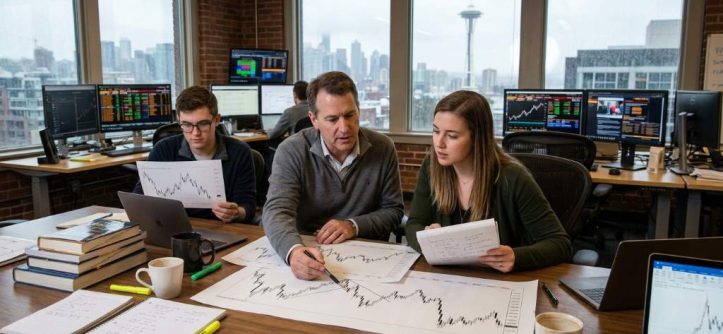
Seattle traders face fast market shifts because technology stocks, shipping trends, and global news often affect local trading behavior. According to several retail trading studies, more than 70% of new traders lose money during their first year because they repeat avoidable chart mistakes. Many experienced traders now study older chart patterns before risking capital in live sessions. In fact, some traders improve decision accuracy by using forex strategy testing on tradingview to compare current setups with historical price reactions. This process helps traders identify emotional errors before they damage long term performance.
Why Seattle Traders Depend on Historical Chart Analysis
Seattle has a strong financial and technology culture that attracts active retail traders and remote investors. Many residents follow stock indexes before work because global futures move overnight during Asian trading hours. Local traders often review older market data during rainy mornings when they can focus without distractions. As a result, chart analysis becomes part of their daily planning routine.
Historical charts reveal repeated patterns that many traders ignore during live market pressure. Traders in Seattle study previous support zones because similar reactions often happen again under matching market conditions. They also compare failed trades against earlier setups to identify emotional decision making. Some traders even organize trade journals using ideas from smart business storage systems that improve record keeping and performance reviews.
Many local traders focus on charts from the 2008 crash, the 2020 pandemic selloff, and recent inflation periods. These events show how panic changes price behavior across different sectors. Experienced traders compare volume spikes and candle formations from those periods with current market action. Consequently, they react with more discipline during unstable sessions.
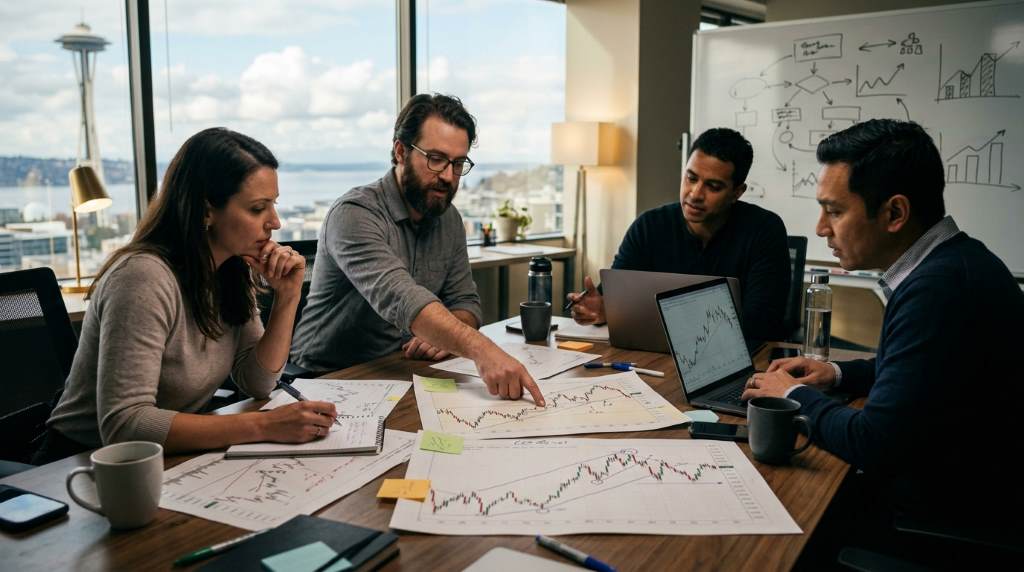
How Old Charts Help Traders Spot Repeated Errors
Most trading mistakes come from emotional reactions rather than poor technical knowledge. Traders often enter too late because they fear missing profitable moves after strong momentum appears. By reviewing old charts, they notice how chasing price usually leads to weak entries. Therefore, they become more patient during live market conditions.
Seattle traders also analyze failed breakouts because local tech stocks often produce false momentum during earnings season. They review old intraday charts to see how volume declined before reversals occurred. This process trains traders to avoid buying at emotional highs. In addition, they become more confident when waiting for confirmation candles.
Many traders compare market behavior during cloudy winter months and active summer periods in Seattle. Rainy seasons often keep traders indoors longer, which increases screen time and sometimes leads to overtrading. Historical data helps them recognize this seasonal behavior pattern. As a result, they create limits for the number of trades they take each day.
Professional traders also study old losing trades beside winning trades instead of reviewing successful setups only. This uncommon habit creates balanced thinking because traders stop glorifying perfect trades. Some investors in Seattle use budgeting methods similar to financial planning strategies when setting trading risk and monthly capital exposure. That approach reduces emotional stress during volatile periods.
Important Chart Patterns Seattle Traders Review Often
Several chart patterns appear repeatedly across stocks, forex pairs, and commodity markets. Traders in Seattle frequently review these formations because they help identify both trend continuation and possible reversals. Historical analysis strengthens pattern recognition over time. Consequently, traders react faster without depending on guesswork.
Head and Shoulders Pattern
The head and shoulders pattern often signals weakening momentum before major reversals occur. Seattle traders review old examples from technology stocks because these setups appear frequently during earnings cycles. They compare neckline breaks with volume changes to improve entry timing. This method helps traders avoid buying near exhausted trends.
Double Bottom Formation
Double bottom patterns help traders identify areas where sellers lose control after prolonged declines. Traders study older market crashes to understand how buyers slowly regain confidence. They also monitor confirmation candles before entering trades. Therefore, they avoid premature entries during unstable conditions.
Ascending Triangle Setup
Ascending triangles usually appear during strong bullish periods with consistent resistance pressure. Seattle traders examine old triangle breakouts to measure how volume behaved before major moves. This review process improves breakout accuracy during live sessions. In addition, traders learn when to avoid weak formations with low participation.
Range Bound Markets
Many new traders lose money because they apply trend strategies inside sideways markets. Experienced Seattle traders analyze older ranging charts to identify failed breakout conditions. They notice how price repeatedly respects support and resistance during quiet sessions. As a result, they adapt strategies instead of forcing aggressive entries.
The Role of Trading Journals in Historical Analysis
Chart analysis becomes far more effective when traders maintain detailed journals beside screenshots and notes. Seattle traders often document entry points, emotions, market conditions, and exit reasons after every session. These records reveal patterns that simple memory cannot track accurately. Therefore, traders improve faster through measurable feedback.
Many traders create weekly review sessions every Sunday evening before Asian markets open. They compare recent trades against older setups from similar market environments. This habit reduces emotional attachment because traders focus on data instead of personal opinions. Consequently, decision making becomes more objective.
Some Seattle traders also record weather conditions and mood changes inside their journals. This uncommon practice helps them identify how low sunlight during winter affects concentration and patience. Several traders noticed they entered impulsive trades more frequently during darker months. After recognizing this pattern, they adjusted trading schedules and reduced unnecessary risk.
Trading journals also help traders discover whether certain assets fit their personality and schedule. Some traders perform better during early forex sessions while others succeed during stock market openings. Historical journal reviews reveal these performance differences clearly. As a result, traders stop forcing strategies that conflict with their strengths.
How Technology Improves Historical Chart Analysis
Seattle traders benefit from strong access to technology tools because the city has a large digital workforce. Many traders use chart replay features to practice historical market reactions without financial risk. This process trains pattern recognition in realistic conditions. Therefore, traders gain confidence before trading with live capital.
Modern charting platforms allow traders to compare multiple timeframes side by side. Seattle investors often review daily charts first before entering short term positions on smaller intervals. This method prevents traders from ignoring larger market direction. Consequently, they reduce mistakes caused by tunnel vision.
Artificial intelligence tools also help traders identify repeated market behavior more quickly. However, experienced traders still rely on manual chart reviews because emotional context matters. Historical analysis teaches patience, while automation mainly improves speed. The combination creates a balanced decision making process.
Some trading groups in Seattle organize weekend chart review sessions through online communities and coworking spaces. Members compare historical setups and discuss why certain trades failed. This collaborative approach exposes traders to different viewpoints and strategies. In addition, it reduces isolation and emotional bias.
Common Mistakes Traders Discover Through Old Charts
Historical chart analysis often exposes habits that traders never notice during active sessions. Many Seattle traders discover they entered trades too close to major resistance levels. Others realize they ignored declining volume during breakouts. Therefore, they develop stricter entry requirements after reviewing old data.
- Entering trades without confirmation candles
- Ignoring higher timeframe trends
- Holding losing positions too long
- Trading during emotional stress
- Overtrading during volatile news events
Another common mistake involves placing stop losses too tightly during volatile sessions. Seattle traders study old intraday charts to understand how normal market movement triggers weak stop placement. This review process improves trade management significantly. As a result, traders avoid unnecessary exits before trends continue.
Some traders also recognize how social media hype influenced earlier trading decisions. Historical reviews reveal that emotional online discussions often appeared before sharp reversals. Experienced traders now compare online sentiment with chart structure before entering positions. Consequently, they avoid emotionally crowded trades.
How Seattle’s Economy Shapes Trading Behavior
Seattle’s economy strongly influences the way local traders interpret historical charts. The city has deep connections to technology, logistics, aerospace, and international trade sectors. Traders often monitor these industries because they affect local investor sentiment and volatility. Therefore, historical sector analysis becomes extremely valuable.
Rainy weather also affects daily routines for many traders working from home in Seattle. Long indoor hours can increase both market focus and emotional exhaustion. Historical chart reviews help traders maintain structure during extended screen time. Consequently, they become more disciplined with breaks and risk control.
Local traders also pay close attention to Asian market sessions because Seattle operates within a Pacific time advantage. Many traders wake early to monitor overnight price movement from Tokyo and Hong Kong markets. Historical comparisons help them understand how overnight momentum affects American openings. This insight reduces impulsive decisions during morning volatility.
Practical Steps for Better Historical Chart Reviews
New traders often review charts randomly without using a structured process. Seattle professionals usually follow a consistent review system to improve learning efficiency. This method allows traders to identify recurring strengths and weaknesses more clearly. Therefore, progress becomes easier to measure over time.
- Review one market setup category at a time
- Compare winners and losers equally
- Track emotional decisions beside technical errors
- Use screenshots for visual pattern memory
- Study charts during calm market hours
Traders should also replay historical sessions without looking ahead at future candles. This practice creates realistic decision making pressure and strengthens discipline. Seattle traders often use weekends for these review exercises because markets remain closed. As a result, they can focus fully without distractions.
Another effective method involves reviewing only one trading strategy for several months of data. Many traders fail because they constantly switch systems after small losses. Historical testing reveals whether a strategy actually performs well over time. Consequently, traders gain trust in their methods.
Conclusion
Seattle traders reduce costly mistakes by studying old charts with patience and structure. Historical analysis reveals emotional habits, weak entry decisions, and hidden market patterns that many traders overlook. Consistent review sessions also improve discipline during volatile conditions and seasonal market changes. Traders who want long term consistency should build a daily chart review habit and continue learning through reliable resources like modern digital growth insights that support smarter decision making.
FAQs
Why do Seattle traders study old market charts?
They review historical charts to identify repeated mistakes and improve future trading decisions.
What is the biggest benefit of chart replay tools?
Chart replay tools allow traders to practice decisions without risking real money.
How often should traders review historical data?
Most experienced traders review charts weekly and after every major trade.
Can weather affect trading behavior in Seattle?
Yes, long rainy periods can increase screen time and emotional fatigue for some traders.
Why do traders compare losing trades with winning trades?
Balanced reviews help traders identify emotional mistakes and improve discipline.



Leave a Reply