
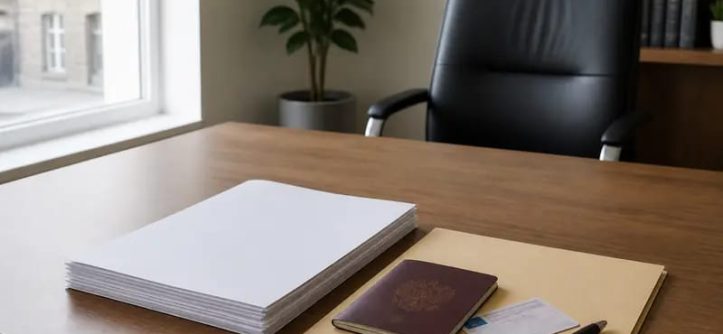
Unless you bring the essential papers and information required to discuss your case in greater detail, you could find that most of your first meeting is spent gathering information that your solicitor could have provided you with had you brought the relevant papers and information to your first appointment.
Photo ID and Proof of Address
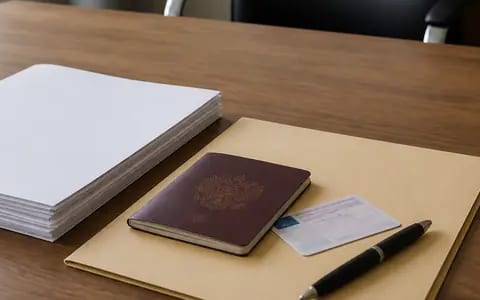
When solicitors take on a case they need to confirm the identity of the client(s). This means you need to bring ID to the meeting with your solicitor. For a first meeting, you will need to bring a photo ID (such as a passport or driving license) and a document showing your current address. This could be a utility bill, bank statement, etc. The document must be dated within the last 3 months.
Existing Paperwork for the Matter
Many issues are dealt with by reference to existing written documentation. If there is any written documentation relating to your matter then bring it with you. This could include contracts, letters from other parties, court documents, tenancy agreements, etc. Even what appears to be minor written documentation can contain critical dates or terms which could have a significant impact upon the advice given.
Property Matters Need Specific Documents
When purchasing, selling or remortgaging a property, it would be helpful to bring the title deeds (if held), Energy Performance Certificate, and the name and contact details of the other side’s solicitor (if already appointed). For Worcester solicitors dealing with property matters on a daily basis, this information can save a lot of time in processing a house move, as a solicitor cannot carry out any searches or prepare any contracts until this basic information has been confirmed.
Family and Divorce Matters
A marriage or civil partnership certificate and a rough outline of your current financial circumstances will be required for all Family and Divorce Matters. For example, details of your current income and any savings or debts that you may have, together with any property that you may own. A list of children and their current ages and where they live, as well as any current Court Orders or even informal agreements that have been made in relation to issues such as contact and/or maintenance. A useful reference for Solicitors Worcester is Dee and Griffin.
Wills and Probate Essentials
When making a Will, solicitors usually ask clients to write down a list of all of the properties, businesses, investments, etc. that they own and also any debts that they may have. They also ask for the names and addresses of the people that clients wish to benefit from their estate. If dealing with the estate of someone who has passed away, the solicitor will ask for a copy of the deceased’s death certificate, any Will that has been found and a list of the deceased’s assets and any debts that they may have had.
Proof of Income or Funds
For many types of work, particularly where large sums of money are involved, the solicitor will ask for evidence of your income. This can include your last few payslips, copies of your bank statements for the last few months and proof of where you got a lump sum of money from. This is all part of the solicitor’s money laundering obligations.
A Written List of Questions
You are likely to ask the solicitor questions which you will later forget. Write them down in advance of the appointment and bring a notebook and pen to the meeting. They will be answered in the order of which you consider them to be most important. Your notes of the answers given will help to remind you of important points, such as deadlines, costs, and what steps need to be taken.
Other Party’s Details and Key Dates
Any contact details for the other party(ies) involved in the matter. Also list out any key dates for the matter, i.e. the date of a court hearing, the date for completion of a property exchange or any other deadline stated within any correspondence.
It’s really easy to prepare for your first meeting with a solicitor and to get the most out of it.




Leave a Reply