
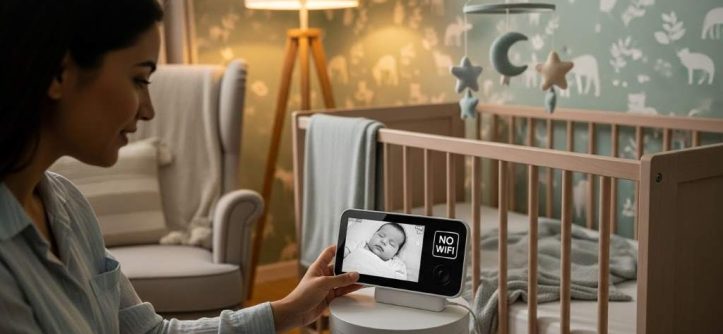
Parents often worry about keeping their newborns safe during sleep times. Imagine hearing strange voices through your baby’s monitor or realizing someone watches your child from afar. These nightmares stem from modern technology risks. Non-WiFi baby monitors offer a simpler, more secure alternative. They use radio frequencies instead of internet connections. This setup avoids many digital threats. According to the FBI, multiple hacking cases involving smart baby monitors occurred in 2025 alone. Additionally, cybersecurity experts noted a 300% increase in IoT device attacks, including monitors, in early 2024. For peace of mind, parents turn to options like the non-wifi baby monitor with camera. Such devices prioritize safety without compromising on features.
Understanding Baby Monitor Technologies
Baby monitors come in various forms. Some connect to WiFi networks. Others rely on dedicated radio signals. WiFi models allow remote viewing via apps. However, this convenience introduces vulnerabilities. Non-WiFi versions transmit data directly between units. They operate on closed circuits. Consequently, outsiders find it harder to interfere.
Experts classify monitors based on connectivity. WiFi ones integrate with smart homes. They stream video over the internet. In contrast, non-WiFi monitors use FHSS technology. This method hops frequencies to avoid interference. As a result, signals stay private and stable. Parents appreciate this reliability in everyday use.
Furthermore, non-WiFi monitors often include cameras and audio. They provide clear visuals without lag. Unlike internet-dependent devices, they work offline. Therefore, power outages or network issues rarely disrupt them. This fundamental difference sets the stage for safety discussions.
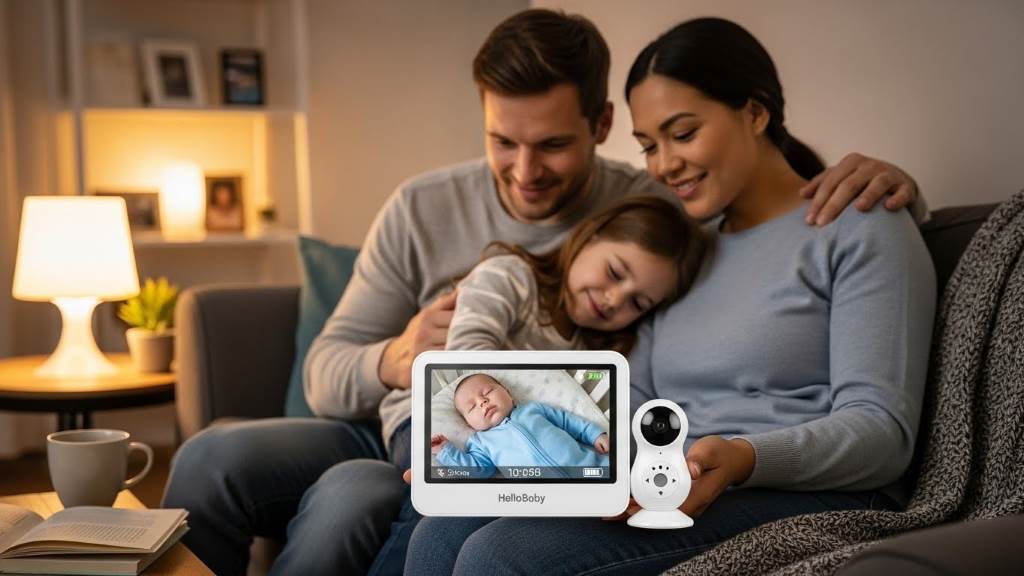
The Dangers of WiFi-Connected Baby Monitors
WiFi baby monitors promise flexibility. Yet, they expose families to serious risks. Hackers target these devices frequently. Once connected online, monitors become entry points for cyberattacks. Malicious actors exploit weak passwords or outdated software.
For instance, reports from the UK in 2024 highlighted smart camera breaches. Intruders accessed live feeds. They even spoke through speakers. Such incidents terrify parents. Moreover, the FBI investigated several cases in 2025. These events underscore growing threats in connected homes.
Additionally, IoT devices like WiFi monitors suffer from poor security updates. Manufacturers sometimes abandon support. Consequently, vulnerabilities persist. Research from Rapid7 revealed critical flaws in various models. Hackers could intercept video streams easily. Thus, privacy evaporates in these scenarios.
Hacking Incidents and Statistics
Statistics paint a grim picture. Cybersecurity firms tracked a surge in IoT attacks. In early 2024, incidents rose by 300%. Baby monitors featured prominently among targets. Experts attribute this to lax security protocols.
One study from 2025 examined baby monitor apps. Researchers found reconstruction attacks possible. Attackers rebuilt visual data from intercepted signals. This capability alarms families worldwide. Furthermore, the Electronic Frontier Foundation documented thousands of breaches in 2025. Many involved smart home gadgets.
Parents share stories on forums like Reddit. They question hacking prevalence. Social media amplifies these concerns. Yet, data confirms the reality. Government sources like the FTC warn about IoT risks. They advise against unsecured devices for child safety.
Privacy Breaches and Their Impact
Privacy breaches extend beyond viewing. Hackers collect personal data. They might record routines or conversations. This information fuels identity theft or stalking. Families feel violated in their sanctuaries.
For example, a 2025 report detailed perpetrators spying via monitors. Over three years, cases accumulated. Victims reported emotional distress. Children suffered indirectly from parental anxiety. Therefore, preventing such invasions matters deeply.
Regulations lag behind technology. While some countries mandate better security, enforcement varies. Parents must educate themselves. Choosing alternatives reduces these worries significantly.
Security Advantages of Non-WiFi Monitors
Non-WiFi monitors shine in security. They lack internet connections. Hackers cannot access them remotely. This isolation acts as a barrier. Signals travel short distances only.
Moreover, these devices use encrypted radio waves. FHSS technology scrambles transmissions. Interference from neighbors stays minimal. As a result, your baby’s room remains private.
Parents value this peace. No apps mean no data leaks. Unlike WiFi models, non-WiFi ones avoid cloud storage risks. Data stays local. Consequently, families sleep better knowing intruders lurk elsewhere.
Why They Resist Hacking Better
Hacking requires entry points. WiFi monitors provide plenty through networks. Non-WiFi versions offer none. They function like walkie-talkies. Direct communication prevails.
Research supports this edge. Studies show IoT vulnerabilities stem from connectivity. Removing WiFi eliminates most threats. For instance, a 2025 analysis praised closed-circuit systems. They scored higher in privacy tests.
Additionally, non-WiFi monitors need no firmware updates. This simplicity appeals to busy parents. Security comes built-in, without ongoing maintenance.
Health Benefits: Reducing EMF Exposure
Health concerns add another layer. WiFi monitors emit electromagnetic fields. These fields worry experts about child development. Developing brains show vulnerability to radiation.
The National Institutes of Health published findings on this. Children face higher risks from prolonged exposure. EMF might disrupt sleep patterns. One study linked RF radiation to reduced sleep quality in adults. Similar effects could impact infants.
Non-WiFi monitors produce lower EMF levels. They transmit intermittently. Power usage drops compared to constant WiFi signals. Therefore, babies experience less exposure during naps.
Related:
Proven Natural Remedies for Baby Diaper Rash That Won’t Sting
What is the Easiest Way to Put a Baby to Sleep: Sleep Bliss Made Easy!
Latest Research on EMF and Babies
Recent research emphasizes caution. A 2025 study examined baby monitor emissions. WiFi models exceeded safe thresholds in some tests. Non-WiFi alternatives stayed well below.
Environmental Health News reported on wireless radiation. It disrupts melatonin production. Babies need quality rest for growth. Consequently, minimizing EMF aids healthy development.
Parents adopt safer habits. They place monitors farther from cribs. Yet, non-WiFi options inherently reduce risks. This choice supports overall well-being.
Reliability and Ease of Use in Non-WiFi Monitors
Reliability defines good parenting tools. Non-WiFi monitors deliver consistent performance. They avoid network lags. Video feeds appear instantly.
In comparison, WiFi versions falter during outages. Signals drop without warning. Parents miss crucial moments. However, non-WiFi devices work independently. Battery backups enhance dependability.
Ease of use attracts many. Setup takes minutes. No apps or accounts required. Plug in and monitor. This straightforward approach suits new parents.
Furthermore, range covers most homes. Signals penetrate walls effectively. Outdoor use extends possibilities. Thus, flexibility meets security seamlessly.
Features That Enhance Daily Life
Modern non-WiFi monitors pack features. Night vision illuminates dark rooms. Temperature sensors alert to changes. Two-way audio allows soothing from afar.
Users praise these additions. They rival WiFi capabilities without risks. For example, zoom functions capture details. Parents monitor playtime effortlessly.
Integration with routines simplifies life. Portable receivers fit pockets. Mobility increases. Consequently, caregiving becomes less stressful.
Choosing the Right Secure Baby Monitor
Selecting a secure baby monitor involves key factors. Prioritize non-WiFi models for safety. Check for FHSS encryption. This ensures signal protection.
Look at battery life. Long-lasting power prevents interruptions. Screen size matters for clarity. Larger displays show more.
Consider audio quality. Clear sound detects subtle cries. Video resolution adds value. High-definition options reveal expressions.
Additionally, read reviews from trusted sources. Parents share real experiences. Focus on durability and range.
Tips for Safe Usage
Position the camera strategically. Avoid direct crib views if possible. This minimizes exposure.
Test the device before relying on it. Familiarize with alerts. Adjust sensitivity levels.
Maintain cleanliness. Dust affects performance. Regular checks keep everything optimal.
Incorporate into sleep training. Monitors aid in establishing routines. Consistency builds confidence.
Real-Life Stories and Case Studies
Stories illustrate benefits vividly. One family switched after a WiFi scare. They heard unknown laughter through their monitor. Panic ensued until they unplugged it.
Switching to non-WiFi restored calm. No more worries about strangers. Sleep improved for everyone.
Another case involved EMF concerns. A mother researched health impacts. She chose low-emission models. Her baby’s restful nights confirmed the decision.
Case studies from 2025 reinforce this. Researchers compared user satisfaction. Non-WiFi users reported higher security feelings. Incidents dropped dramatically.
Communities discuss these shifts. Forums buzz with recommendations. Parents empower each other through shared knowledge.
Experts advocate for awareness. They highlight trends in device safety. Informed choices protect families effectively.
Conclusion
Non-WiFi baby monitors like HelloBaby provide unmatched safety. They shield against hacking and reduce EMF exposure. Reliability and ease make them ideal. Parents gain peace through secure technology. Health benefits support growing babies. Stories and research back these advantages. Make the switch today for a safer nursery. Explore options that fit your needs and enjoy worry-free parenting.
FAQ: What Makes Non-WiFi Monitors Safer Than WiFi Ones?
Non-WiFi monitors avoid internet connections. This blocks remote hacking. They use direct radio signals. Privacy stays intact. Health risks from EMF decrease too.
FAQ: Can Hackers Still Access Non-WiFi Baby Monitors?
Hackers struggle with non-WiFi models. No online access limits threats. Encrypted frequencies add protection. Physical proximity would be needed, which is rare.
FAQ: How Do Non-WiFi Monitors Affect Baby’s Health?
These monitors emit less radiation. Babies face lower EMF exposure. Sleep quality improves. Research shows benefits for development.
FAQ: What Features Should I Look for in a Secure Baby Monitor?
Seek FHSS technology for security. Night vision and audio matter. Battery life ensures reliability. User reviews guide choices.
FAQ: Are Non-WiFi Monitors Easy to Set Up?
Setup is simple. Plug in the units. No apps complicate things. They work right away. Parents love the hassle-free experience.



Leave a Reply