
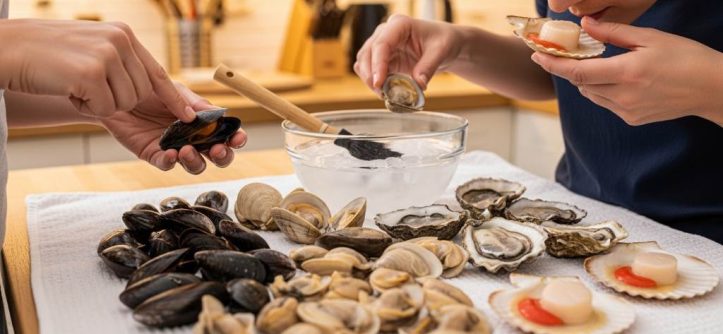
Fresh shellfish can turn an ordinary meal into a memorable dining experience. In coastal cities like Boston, shellfish remains a staple ingredient in many households throughout the year. According to seafood industry reports, Americans consume millions of pounds of shellfish annually, while seafood ranks among the most purchased fresh proteins in New England. Because quality matters, many home cooks carefully inspect shellfish before cooking. They also look for answers to questions like are frozen clams safe if open when handling seafood stored in the freezer. Understanding freshness checks helps reduce waste and supports both food safety and flavor.
Why Shellfish Freshness Matters in Boston
Boston sits along the Atlantic coast, which gives residents access to a wide range of shellfish. However, access alone does not guarantee quality. Home cooks still need to evaluate freshness before preparing dinner. Fresh shellfish delivers better taste, texture, and cooking results.
The region experiences humid summers and cold winters. As a result, temperature fluctuations can affect seafood during transport and storage. Local shoppers often buy shellfish from fish markets, grocery stores, and waterfront vendors. Therefore, knowing how to inspect shellfish remains an important kitchen skill.
Understanding the Types of Shellfish Commonly Found in Boston
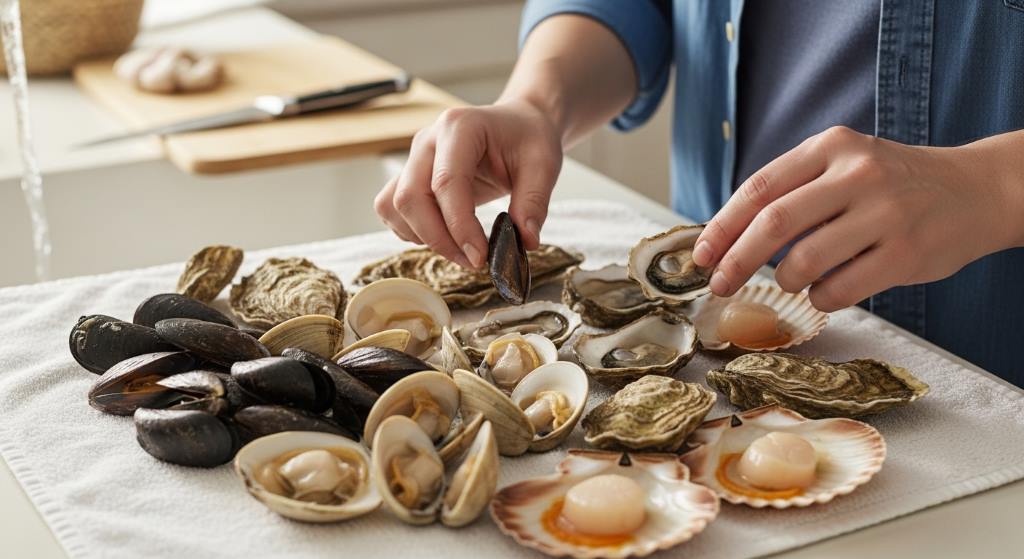
Before checking freshness, it helps to know which shellfish commonly appear in local markets. Different species require slightly different inspection methods. Nevertheless, several universal freshness signs apply to most shellfish. Recognizing these differences can prevent mistakes during preparation.
- Clams
- Oysters
- Mussels
- Scallops
- Lobsters
- Crabs
- Shrimp
Each type responds differently to handling and storage. Yet all benefit from careful inspection before cooking. Consequently, experienced Boston home cooks develop habits that help them identify quality seafood quickly.
Checking Live Clams and Mussels
Look for Closed Shells
Clams and mussels should have tightly closed shells when purchased. If a shell appears slightly open, gently tap it with your finger. A live shellfish will usually close in response. If it remains open, discard it immediately.
This simple test remains one of the most reliable freshness indicators. Many Boston cooks perform it while sorting seafood before dinner prep. Furthermore, it takes only a few seconds to complete. Consistent checking helps prevent food safety concerns.
Check for Cracked Shells
Shell integrity provides another important clue. Cracked or broken shells can expose the animal to contamination. Therefore, avoid cooking shellfish with visible damage. Healthy shells should appear intact and sturdy.
Even small cracks can affect quality. Consequently, careful inspection under good lighting is worthwhile. Most experienced seafood buyers make this check before placing shellfish into their shopping basket.
How Boston Home Cooks Inspect Oysters
Oysters require special attention because they often appear fresh even when quality declines. Home cooks begin by examining the shell exterior. Heavy, tightly closed shells usually indicate healthy oysters. In contrast, lightweight shells may suggest moisture loss.
Many Boston residents enjoy oysters during gatherings and family dinners. Therefore, they often purchase them a day before serving. Proper storage in the refrigerator helps maintain freshness. However, inspection remains necessary before shucking.
The Smell Test
Fresh oysters should smell like the ocean. The aroma should feel clean, briny, and pleasant. Any strong fishy odor indicates deterioration. As a result, oysters with unpleasant smells should not be consumed.
The smell test remains useful because seafood odors often reveal freshness changes early. Experienced cooks rely on this method alongside visual inspections. Together, these checks provide greater confidence before preparation.
Evaluating Fresh Scallops
Scallops differ from clams and oysters because they are usually sold shucked. Therefore, home cooks rely more heavily on appearance and smell. Fresh scallops should appear slightly moist but not excessively wet. Their color should range from cream to pale pink.
Avoid scallops that look overly milky or slimy. These characteristics often indicate aging or poor storage conditions. Additionally, strong odors suggest declining quality. Fresh scallops should smell mild and slightly sweet.
Many seafood enthusiasts pair shellfish dinners with specialty beverages. When planning a complete meal, some cooks even explore guides on how to pair syrups for after-dinner coffee service. This approach creates a more enjoyable dining experience while complementing seafood flavors.
Inspecting Lobsters Before Cooking
Lobster remains one of Boston’s most iconic seafood choices. Home cooks typically purchase live lobsters for maximum freshness. Active movement serves as a positive sign during selection. Healthy lobsters usually move their claws, antennae, or tails.
Weight also matters when assessing lobster quality. A heavier lobster generally contains more meat and moisture. Therefore, many experienced shoppers compare several lobsters before making a final choice. This practice often improves meal value.
Tail Curl Test
When handling a live lobster, observe the tail reaction. A fresh lobster should curl its tail beneath the body. Weak or unresponsive movement may indicate declining health. Consequently, shoppers often avoid sluggish specimens.
Although movement varies among individual lobsters, strong reactions usually signal freshness. Combined with other checks, the tail curl test provides useful information. Boston seafood buyers frequently use this method in local markets.
The Importance of Proper Seafood Storage
Freshness checks do not end after purchase. Proper storage plays a major role in maintaining quality. Home cooks often place shellfish in breathable containers covered with damp paper towels. This method helps preserve moisture without trapping excess water.
Refrigerator temperatures should remain cold but not freezing. Most shellfish stay freshest between 32°F and 40°F. Therefore, temperature monitoring becomes especially important during Boston’s warmer months. Consistent refrigeration protects flavor and safety.
Kitchen equipment can also influence meal preparation efficiency. While organizing side dishes, some cooks compare tools through resources like compare microwave pasta cookers to simplify weeknight dinners. Efficient preparation allows greater focus on seafood quality checks.
A Unique Freshness Technique Used by Experienced Home Cooks
One lesser-known but practical method involves tracking shell moisture retention. Experienced shellfish enthusiasts sometimes observe how quickly shells dry after removal from refrigeration. Fresh shellfish generally retain internal moisture longer. This subtle sign can supplement standard freshness checks.
The technique does not replace established safety practices. However, it offers additional insight when evaluating shellfish purchased several days earlier. Some long-time Boston seafood buyers have used this observation method for years. It provides another layer of confidence before cooking.
Home cooks often combine multiple indicators rather than relying on one sign. Shell condition, smell, weight, and moisture all contribute to a complete assessment. Consequently, decision-making becomes more accurate. This layered approach helps reduce uncertainty.
How Boston’s Climate Influences Seafood Handling
Coastal humidity affects seafood storage conditions throughout the year. During summer, higher temperatures increase the importance of prompt refrigeration. Therefore, many residents bring insulated coolers when purchasing seafood. This habit helps maintain freshness during transportation.
Winter presents different challenges. Extremely cold outdoor temperatures can accidentally freeze shellfish during transport. As a result, home cooks monitor storage conditions carefully after returning home. Balanced temperature control remains essential regardless of season.
Local weather patterns also influence seafood availability. Storms occasionally affect harvesting schedules and transportation. Consequently, freshness checks become even more valuable when supply chains experience disruptions. Careful inspection ensures better dinner results.
Common Mistakes Home Cooks Make
Many seafood problems originate from simple mistakes. Fortunately, most are easy to avoid with basic awareness. Understanding these errors helps improve both food safety and meal quality. Prevention always works better than correction.
- Ignoring slightly open shells that do not close
- Storing shellfish in airtight containers
- Keeping seafood at room temperature too long
- Relying only on expiration dates
- Overlooking unusual odors
- Cooking damaged shellfish
Avoiding these mistakes can significantly improve outcomes. Furthermore, proper habits help preserve flavor and texture. Consistent attention makes seafood preparation much easier.
Building a Reliable Freshness Routine
Experienced Boston home cooks often follow the same inspection routine every time. First, they examine shell condition and appearance. Next, they perform a smell check. Finally, they verify proper storage before beginning preparation.
This routine takes only a few minutes. Yet it provides valuable reassurance before cooking. Moreover, repetition helps develop confidence and consistency. Over time, freshness assessment becomes second nature.
Balanced meals also play a role in overall dining satisfaction. While planning seafood dinners, some people review nutrition resources discussing five foods that will increase hunger. Understanding meal composition can help create a more satisfying menu.
Conclusion
Checking shellfish freshness before dinner prep remains an essential skill for Boston home cooks. Simple inspections of shells, smell, texture, and storage conditions can prevent many common problems. Additionally, understanding local climate influences helps maintain seafood quality throughout the year. By following these practical steps, home cooks can enjoy safer and more flavorful meals.
If you regularly prepare seafood at home, start applying these freshness checks before your next meal. Consistent habits improve confidence, reduce waste, and help you serve shellfish at its best every time.
FAQs
How can I tell if clams are still alive?
Tap an open shell gently, and if it closes, the clam is usually alive.
Should fresh shellfish smell fishy?
No, fresh shellfish should have a clean ocean-like scent.
Can I store shellfish in a sealed plastic container?
No, shellfish need airflow and should be stored in breathable containers.
How long can I keep fresh shellfish in the refrigerator?
Most fresh shellfish should be cooked within one to two days.
Why do Boston cooks use insulated coolers for seafood shopping?
Coolers help maintain safe temperatures during transport, especially in warm weather.




Leave a Reply