
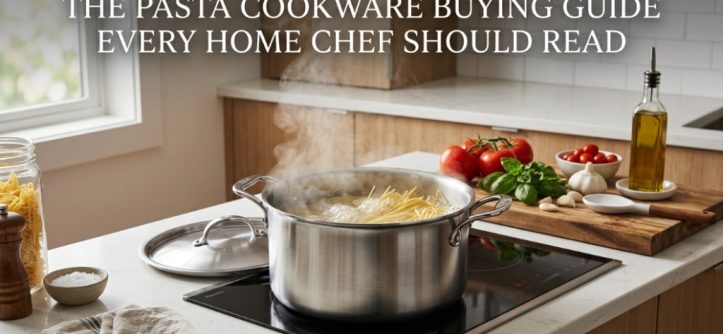
Most people blame their pasta recipe when dinner turns out sticky, unevenly cooked, or lacking flavor. In reality, the problem often starts long before the sauce hits the pan—it starts with the cookware. A well-designed pasta cookware buying guide can save you from wasted ingredients, frustrating cleanup, and inconsistent results. Choosing the right pots, pans, and kitchen essentials directly affects water circulation, heat distribution, cooking speed, and even the final texture of your pasta. Whether you’re making spaghetti for two or preparing a family-sized lasagna dinner, the cookware you use matters more than many home cooks realize.
What Is a Pasta Cookware Buying Guide and Why Does It Matter?
Direct Answer: A pasta cookware buying guide helps home chefs choose the right pots, pans, materials, and accessories needed for efficient pasta preparation and better cooking results.
Pasta may seem simple, but successful preparation requires more than quality ingredients. The wrong pot can cause water to boil unevenly. Poor-quality cookware may create hot spots that burn sauces. Lightweight materials can warp over time, reducing cooking performance.
A complete cookware buying guide evaluates:
- Material quality
- Heat distribution
- Capacity and size
- Durability
- Ease of cleaning
- Compatibility with cooktops
- Value for money
For cooks looking for a deeper comparison of specialized pasta-cooking solutions, this detailed guide to cookware options designed for pasta preparation highlights several useful considerations before making a purchase.
Investing in quality cookware improves consistency, reduces cooking mistakes, and makes meal preparation more enjoyable.
Which Types of Cookware Are Essential for Cooking Pasta?
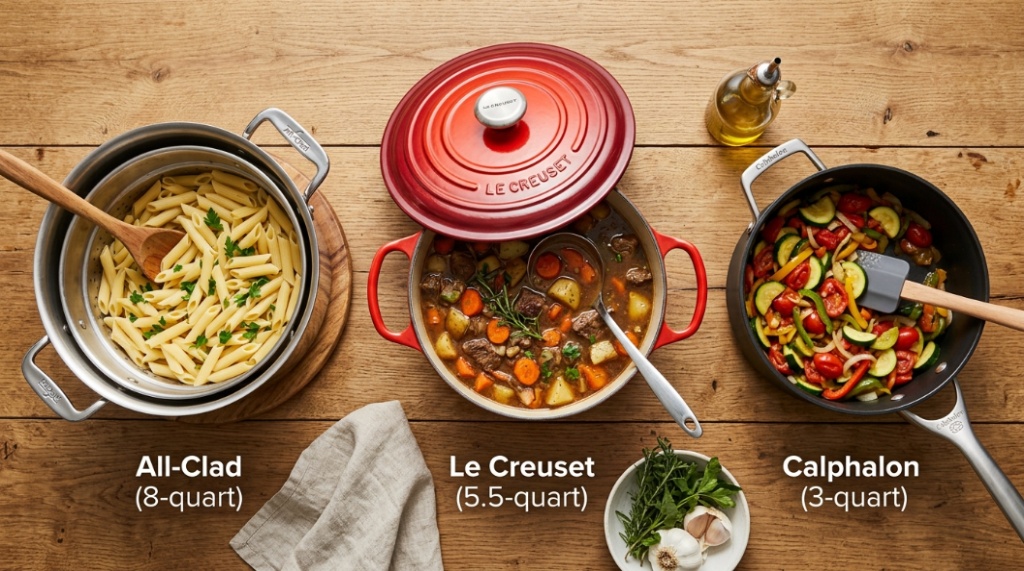
Direct Answer: Every home chef should own a large stockpot, sauté pan, saucepan, colander, and heat-resistant utensils for effective pasta preparation.
Many people assume a single large pot is enough. While technically true, professional-quality results often require several pieces working together.
Large Stockpot
A stockpot serves as the foundation of pasta cooking. It provides sufficient space for pasta to move freely while boiling, preventing clumping and uneven cooking.
- Ideal capacity: 6–12 quarts
- Tall sides reduce boil-over risk
- Suitable for family meals and batch cooking
Sauté Pan
Many chefs finish pasta directly in sauce. A wide sauté pan allows pasta water and sauce to combine effectively, creating better texture and flavor.
Saucepan
Perfect for preparing smaller portions of sauces, melting butter, or reheating ingredients.
Colander
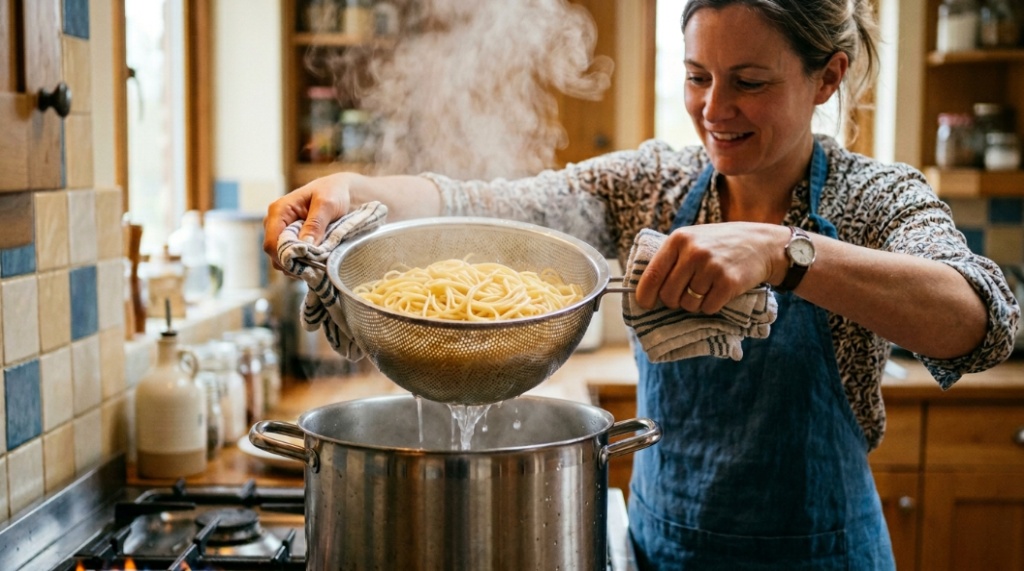
A durable stainless-steel colander offers superior drainage and lasts significantly longer than plastic alternatives.
Cooking Utensils
- Pasta forks
- Silicone spatulas
- Wooden spoons
- Kitchen tongs
Together, these kitchen essentials create a more efficient cooking workflow.
What Is the Best Material for Pasta Cookware?
Direct Answer: Stainless steel with an aluminum or copper core offers the best combination of durability, heat distribution, and cooking performance for pasta preparation.
Cookware material determines how efficiently heat travels throughout the cooking surface.
| Material | Advantages | Disadvantages |
|---|---|---|
| Stainless Steel | Durable, non-reactive, long-lasting | Can develop hot spots without core layers |
| Aluminum | Excellent heat conduction | Can react with acidic ingredients |
| Copper | Superior temperature control | Expensive and requires maintenance |
| Nonstick | Easy cleanup | Shorter lifespan |
| Cast Iron | Excellent heat retention | Heavy and slower to heat |
For most households, multi-ply stainless steel provides the best balance between performance and longevity.
If you’re evaluating nonstick cookware options, this comprehensive comparison of pasta cooking solutions and cookware designs explains where specialized products may fit into your kitchen setup.
How Large Should a Pasta Pot Be?
Direct Answer: Most households benefit from an 8-quart pasta pot, while larger families may prefer 10- to 12-quart models.
Capacity directly impacts pasta quality.
When pasta lacks room to move freely, starch accumulates rapidly and causes sticking. Proper water volume improves cooking consistency.
General recommendations include:
- 1–2 people: 4–6 quart pot
- 3–4 people: 8 quart pot
- 5+ people: 10–12 quart pot
- Meal prep cooking: 12 quart or larger
Many professional kitchens follow the guideline of approximately one gallon of water per pound of pasta.
Should You Buy Nonstick Cookware for Pasta Dishes?
Direct Answer: Nonstick cookware works well for pasta sauces and cleanup convenience, but should not replace a quality stainless-steel stockpot.
Many pasta dishes involve more than boiling noodles. Cream sauces, tomato reductions, garlic infusions, and vegetable preparations often benefit from nonstick surfaces.
Advantages include:
- Easy cleaning
- Reduced sticking
- Lower oil requirements
- Convenient everyday use
Potential drawbacks include:
- Coating wear over time
- Sensitivity to high temperatures
- Potential scratching from metal utensils
A hybrid kitchen setup combining stainless steel and nonstick cookware typically delivers the best flexibility.
Which Features Should Home Chefs Prioritize When Buying Cookware?
Direct Answer: Focus on heat distribution, durable construction, comfortable handles, oven safety, and compatibility with your cooking surface.
Not every expensive cookware set is worth the investment.
Look for these critical features:
Even Heat Distribution
Tri-ply and multi-ply construction helps eliminate hot spots that can scorch sauces.
Riveted Handles
Secure handles improve safety when lifting heavy pots filled with boiling water.
Oven Compatibility
Many pasta recipes require finishing dishes in the oven. Check temperature ratings before purchase.
Tight-Fitting Lids
Proper lids accelerate boiling and improve energy efficiency.
Induction Compatibility
If you use induction cooktops, verify magnetic compatibility before purchasing.
Are Premium Cookware Brands Worth the Cost?
Direct Answer: Premium cookware often lasts decades and provides better cooking consistency, making it a worthwhile investment for frequent home cooks.
Budget cookware may seem appealing initially, but replacement costs accumulate over time.
Premium brands often provide:
- Superior materials
- Better manufacturing quality
- Longer warranties
- Enhanced durability
- More consistent cooking performance
For someone cooking pasta several times each week, higher-quality cookware frequently delivers better long-term value.
Some home cooks also complement quality cookware with dedicated pasta-making equipment. This review of the Marcato electric pasta machine and fresh pasta workflow offers useful insight into expanding a pasta-focused kitchen.
How Can You Extend the Life of Your Cookware?
Direct Answer: Proper cleaning, storage, and temperature control significantly increase cookware lifespan.
Even premium cookware requires proper maintenance.
- Avoid thermal shock from sudden temperature changes
- Use non-abrasive cleaning tools
- Store cookware carefully
- Dry thoroughly after washing
- Follow manufacturer care instructions
- Use appropriate utensils
Simple maintenance habits can preserve cookware performance for many years.
What Are the Most Common Pasta Cookware Buying Mistakes?
Direct Answer: The biggest mistakes include buying pots that are too small, choosing poor-quality materials, and prioritizing appearance over functionality.
Common purchasing errors include:
- Selecting cookware based solely on price
- Ignoring material composition
- Buying oversized cookware sets with unused pieces
- Overlooking cooktop compatibility
- Choosing decorative designs over performance
- Skipping warranty information
A thoughtful purchasing decision prevents future frustration and unnecessary expenses.
Conclusion: How Do You Choose the Right Pasta Cookware?
Direct Answer: The best pasta cookware combines durable materials, appropriate capacity, reliable heat distribution, and practical features that match your cooking habits.
A successful pasta meal starts long before the water boils. Choosing the right stockpot, sauce pan, sauté pan, and supporting kitchen essentials creates better texture, more consistent cooking, and easier cleanup. Stainless steel remains the top choice for most home chefs due to its durability and versatility, while nonstick cookware adds convenience for sauce preparation.
If you’re still comparing products before making a purchase, this detailed review of a popular nonstick cookware option can help you evaluate whether it fits your cooking style.
Invest wisely, focus on performance over marketing claims, and build a cookware collection that supports years of enjoyable pasta cooking. The right cookware isn’t just another kitchen purchase—it is an investment in every meal you prepare.
Frequently Asked Questions
What cookware is best for boiling pasta?
A large stainless-steel stockpot is generally the best choice because it provides excellent durability, even heating, and sufficient space for pasta to cook evenly.
How many quarts should a pasta pot hold?
An 8-quart pot works well for most households. Larger families or meal-prep enthusiasts may benefit from a 10- to 12-quart model.
Is stainless steel better than nonstick cookware?
For boiling pasta, stainless steel is usually superior due to its durability and resistance to high temperatures. Nonstick cookware is better suited for sauce preparation and easy cleanup.
Do expensive cookware sets perform better?
Premium cookware often provides better heat distribution, stronger construction, and longer lifespan. Frequent cooks typically see greater long-term value from higher-quality products.
Can I cook pasta in a nonstick pot?
Yes. Nonstick pots can boil pasta effectively, but they generally do not match the durability and longevity of high-quality stainless-steel cookware.
What kitchen essentials help with pasta preparation?
Important kitchen essentials include a stockpot, colander, sauté pan, saucepan, pasta fork, kitchen tongs, and heat-resistant spatulas.
How long should quality cookware last?
Properly maintained stainless-steel cookware can last decades. Premium multi-ply cookware often remains functional for twenty years or more.



Leave a Reply