

A clean coffee maker is the secret to a perfect cup every time. In 2026, with more people brewing at home, maintaining your machine is essential for flavor and longevity. Regular coffee maker cleaning ensures your brews stay fresh, rich, and free from bitter or stale notes.
Research shows that 68% of coffee drinkers notice a decline in taste when their machines aren’t cleaned regularly. This issue often stems from mineral buildup, old coffee oils, and bacteria growth. Proper coffee maker cleaning can prevent these problems. Additionally, experts agree that a well-maintained machine lasts longer and performs better. Furthermore, descale your coffee maker routinely to remove mineral deposits that affect taste and functionality.
Therefore, consistent maintenance is key to enjoying the best possible coffee at home.
Why Cleaning Your Coffee Maker Matters
Many people assume that rinsing the carafe is enough to keep their coffee maker clean. However, residual coffee oils and mineral deposits can accumulate over time, leading to off-flavors and potential mold growth. These issues can ruin the taste of your coffee and even pose health risks.
Moreover, data from the National Sanitation Foundation reveals that coffee makers are one of the germiest appliances in the kitchen. This statistic highlights the importance of regular cleaning to ensure your machine remains hygienic. A coffee machine care routine can eliminate bacteria and mold, keeping your brews safe and delicious.
Additionally, mineral buildup from hard water can clog your machine and reduce its efficiency. Descaling your coffee maker removes these deposits, ensuring optimal performance and extending the life of your appliance. To further elevate your coffee experience, you can also pair syrups with coffees, experimenting with different flavors to create customized drinks that match your taste preferences.
Key Areas to Clean in Your Coffee Maker
When maintaining your coffee maker, focus on these essential areas:
- Carafe: Clean the carafe after each use to prevent coffee oils from turning rancid and affecting flavor.
- Filter Basket: Remove and rinse the filter basket daily to eliminate old coffee grounds and residues.
- Water Reservoir: Regularly clean the water reservoir to prevent mineral buildup and bacteria growth.
- Brewing Chamber: Wipe down the brewing chamber to remove coffee oils and residues that can impact taste.
- Exterior: Keep the exterior clean to maintain a fresh and presentable appearance.
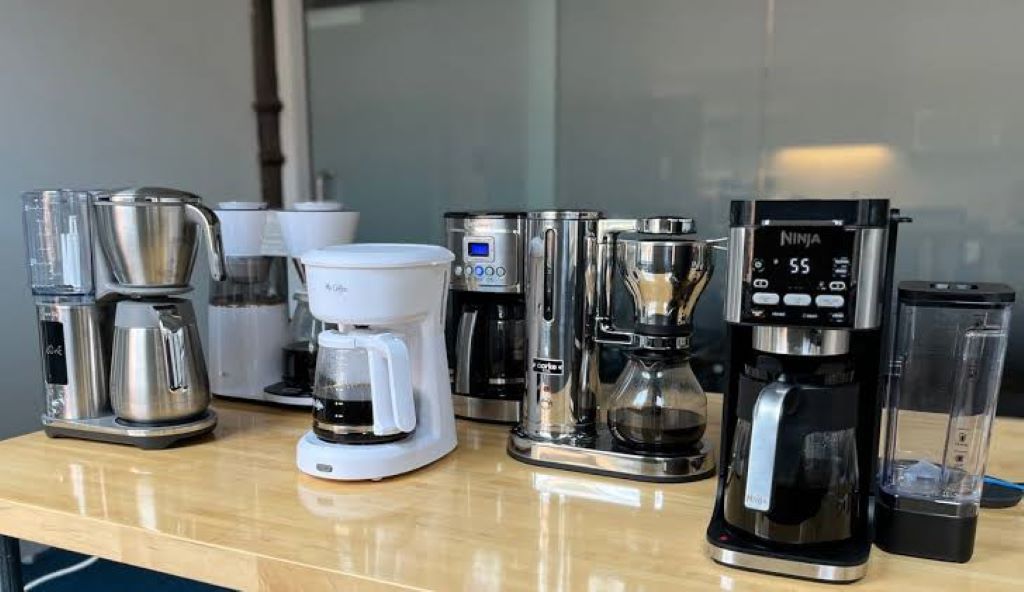
Step-by-Step Guide to Cleaning Your Coffee Maker
Step 1: Daily Rinse
After each use, rinse the carafe, filter basket, and lid with warm, soapy water. This removes residual coffee oils and prevents buildup. A quick daily rinse is the first step in effective coffee maker cleaning.
Step 2: Deep Clean the Carafe
Once a week, deep clean the carafe with a mixture of warm water and baking soda or vinegar. Scrub the interior with a soft brush or sponge to remove stubborn stains and residues. Rinse thoroughly to ensure no cleaning solution remains.
Step 3: Clean the Filter Basket
Remove the filter basket and soak it in warm, soapy water. Use a brush to scrub away any coffee grounds or oils. For a deeper clean, soak it in a vinegar solution to dissolve mineral deposits. This step is crucial for maintaining optimal flavor.
Step 4: Descale Your Coffee Maker
Mineral buildup from hard water can affect your machine’s performance and the taste of your coffee. To descale your coffee maker, fill the water reservoir with a 50/50 mix of white vinegar and water. Run a brewing cycle, then rinse with clean water. Repeat this process every 1-3 months, depending on water hardness.
Step 5: Clean the Water Reservoir
Empty and rinse the water reservoir daily. Once a week, clean it with a vinegar solution to remove mineral deposits and bacteria. Wipe the interior with a soft cloth to ensure it’s thoroughly clean.
Step 6: Wipe Down the Brewing Chamber
Use a damp cloth to wipe down the brewing chamber and remove any coffee oils or residues. For stubborn buildup, use a soft brush or sponge with a mild cleaning solution. This step ensures your coffee tastes fresh and clean.
Step 7: Clean the Exterior
Wipe down the exterior of your coffee maker with a damp cloth and mild detergent. Avoid using abrasive cleaners or scrubbers that can damage the finish. Keeping the exterior clean maintains a fresh and presentable appearance.
Step 8: Replace the Filter
If your coffee maker uses a water filter, replace it according to the manufacturer’s instructions. A fresh filter ensures clean water and better-tasting coffee. This is an often-overlooked aspect of coffee machine care.
Step 9: Run a Cleaning Cycle
Some coffee makers have a self-cleaning cycle. Follow the manufacturer’s instructions to run this cycle regularly. This feature can simplify the cleaning process and ensure thorough maintenance.
Step 10: Dry and Reassemble
After cleaning, dry all parts thoroughly before reassembling your coffee maker. This prevents mold and bacteria growth, ensuring your machine remains hygienic and functional.
Maintenance Tips for Longevity
Regular maintenance extends the life of your coffee maker and ensures it continues to produce great-tasting coffee. Here are some maintenance tips to keep your machine in top condition:
- Use Filtered Water: Using filtered water reduces mineral buildup and improves the taste of your coffee. This simple step can extend the time between descaling sessions.
- Clean After Each Use: Make it a habit to rinse the carafe, filter basket, and lid after each use. This prevents coffee oils from turning rancid and affecting flavor.
- Descale Regularly: Descale your coffee maker every 1-3 months, depending on water hardness. This removes mineral deposits that can clog your machine and reduce its efficiency.
- Replace Parts as Needed: Over time, parts like filters, carafes, and seals may wear out. Replace these parts as needed to maintain optimal performance.
- Store Properly: If you’re not using your coffee maker for an extended period, store it in a dry, clean place. This prevents dust buildup and potential damage.
Common Mistakes to Avoid
- Neglecting Daily Cleaning: Failing to rinse the carafe and filter basket after each use can lead to buildup and off-flavors. Make daily cleaning a habit.
- Skipping Descaling: Mineral buildup can affect performance and taste. Regularly descale your coffee maker to keep it functioning optimally.
- Using Harsh Cleaners: Abrasive cleaners or scrubbers can damage your coffee maker’s finish and parts. Stick to mild cleaning solutions and soft cloths.
- Ignoring the Water Reservoir: The water reservoir can harbor bacteria and mineral deposits. Clean it regularly to ensure hygienic brewing.
- Not Drying Parts Thoroughly: Moisture can lead to mold and bacteria growth. Always dry all parts thoroughly before reassembling your coffee maker.
Benefits of a Clean Coffee Maker
A clean coffee maker offers several advantages beyond just better-tasting coffee. Regular coffee maker cleaning ensures your machine operates efficiently, reducing the risk of clogs or malfunctions. Additionally, a well-maintained machine lasts longer, saving you money on replacements or repairs.
Moreover, descale your coffee maker to remove mineral deposits that can affect taste and performance. This process ensures your coffee always tastes fresh and rich, without any bitter or stale notes. A coffee machine care routine also promotes hygiene, keeping your brews safe and delicious.
Furthermore, maintaining your coffee maker can enhance its appearance. A clean, well-kept machine looks more appealing on your countertop, adding to the overall aesthetic of your kitchen.
FAQs About Coffee Maker Cleaning
How often should I clean my coffee maker?
Clean the carafe, filter basket, and lid after each use. Deep clean the entire machine, including descaling, every 1-3 months, depending on water hardness and usage.
What is the best way to descale my coffee maker?
Fill the water reservoir with a 50/50 mix of white vinegar and water. Run a brewing cycle, then rinse with clean water. Repeat this process every 1-3 months for optimal performance.
Can I use dish soap to clean my coffee maker?
Yes, you can use mild dish soap to clean removable parts like the carafe and filter basket. Avoid using dish soap in the water reservoir or brewing chamber, as it can leave residues.
How do I remove coffee stains from my carafe?
Soak the carafe in a mixture of warm water and baking soda. Scrub with a soft brush or sponge, then rinse thoroughly. For stubborn stains, use a vinegar solution.
Why does my coffee taste bitter or stale?
Bitterness or stale taste can result from residual coffee oils, mineral buildup, or bacteria growth. Regular coffee maker cleaning and descaling can resolve these issues and improve flavor.
Conclusion
Keeping your coffee maker clean is essential for enjoying the best-tasting coffee at home. By following these coffee maker cleaning tips and incorporating regular maintenance into your routine, you can ensure your machine remains hygienic, efficient, and long-lasting. Descale your coffee maker regularly to remove mineral deposits and maintain optimal performance.
Ready to elevate your coffee experience? Start implementing these coffee machine care tips today and enjoy the benefits of fresh, delicious coffee every time. Your taste buds will thank you!
Featured Image Source




Leave a Reply