

Living in a city with a dog is a joy, but it comes with unique challenges—especially when it comes to playtime. Space is tight, sidewalks are hard, and there are countless distractions (and potential dangers) around every corner. Choosing the wrong toy isn’t just a waste of money; it can be a genuine safety risk for your furry friend in an urban environment. You need options that are durable enough for concrete, engaging enough for limited spaces, and safe enough for close-quarters living. This guide will walk you through exactly what to look for, what to avoid, and how to choose the best options for your metropolitan pup.
Key Takeaways
- City dogs need toys that are durable enough for hard surfaces but soft on teeth and gums, often ruling out hard plastic or heavy rubber.
- Compact, quiet, and easy-to-clean toys are essential for apartment living where space is limited and shared walls are common.
- High-risk toys include those with small parts, strings, stuffing, or hard materials that can shatter on concrete.
- Prioritize toys that offer mental enrichment, as city dogs often have limited outdoor space but still need significant daily stimulation.
Understanding the Unique Risks of Urban Play
City environments are different from suburban backyards or rural fields. The surfaces are harder, the spaces are smaller, and the sensory input is constant. This fundamentally changes how a toy performs and how safe it is for your dog. A toy that works well in a grassy yard might be a hazard on pavement.
The primary risk is dental damage. Many toys designed for power chewers, like hard nylon bones or tennis balls, are extremely abrasive. When your dog chews on these on a hard city sidewalk, the combination of the hard toy and the hard surface creates a “nutcracker” effect. This can easily lead to chipped teeth, fractured molars, or severe gum abrasion. Veterinary dental procedures for dogs are not only painful for your pet but also expensive and stressful for you both.
Another significant concern is ingestion. City parks and sidewalks are not as clean as private lawns. A toy that falls and picks up dirt, debris, or chemical residue can make your dog sick. Furthermore, toys that break apart into small pieces—common with cheaper squeaky toys or those with glued-on parts—pose a serious choking hazard or can cause a life-threatening intestinal blockage if swallowed. In a city, you may be far from a 24-hour emergency vet, making prevention even more critical.
Material Matters: Choosing the Right Texture and Durability
The material of the toy is the single biggest factor in its safety for city living. You need a balance of durability and gentleness. The goal is to find something that can withstand enthusiastic chewing without being so hard that it damages your dog’s teeth.
What to Look For
Look for toys made from flexible, high-quality rubber or soft nylon. These materials provide a little “give,” which is much safer for teeth. They are also less likely to cause damage if they skitter across a hard floor or concrete surface. Many modern toys use thermoplastic elastomers (TPE), a food-grade, non-toxic material that is both durable and slightly soft. This is an excellent choice for city dogs.
What to Avoid
Steer clear of toys that feel rock-hard, like cured nylon bones or green “indestructible” rubber. While durable, they are too hard for many dogs and are a common cause of dental fractures, especially when used on hard surfaces. Also, avoid plush toys with stuffing for indoor play. They are easily torn apart, and the stuffing becomes a choking hazard and a mess in a small apartment. Finally, never give your dog cooked bones, antlers, or hooves. These are common sources of intestinal perforations and dental emergencies. For more tail-wagging fun ideas and top-rated picks, you can explore a curated list of safe dog toys for city living that other urban pet parents swear by.
The Top Toy Categories for City Dogs
Given the constraints of city life, certain types of toys are simply more practical and safer than others. Focusing on these categories will help you build a great toy box for your apartment-dwelling companion.
Interactive Puzzle Toys
Puzzle toys are a lifesaver for city dogs. They are specifically designed to provide mental stimulation, which can be more tiring than physical exercise. They are generally safe because your dog is interacting with the toy in a controlled way, typically on a mat or in a corner, rather than shaking it violently. Look for puzzles where you can hide kibble or treats. They should be made of food-safe plastic or rubber and be easy to clean. A quick recommendation: start with a beginner-level puzzle to teach your dog the game before moving to more complex versions.
Durable Rubber Chew Toys
A good, high-quality rubber chew toy is a must-have. The key is to find one that is hollow so you can stuff it with treats or peanut butter. This adds an element of enrichment and keeps your dog busy. When choosing a rubber toy, squeeze it. The material should give slightly under pressure. If it does not, it’s too hard. These toys are excellent for redirecting chewing behavior away from your furniture.
Rope Toys for Gentle Play
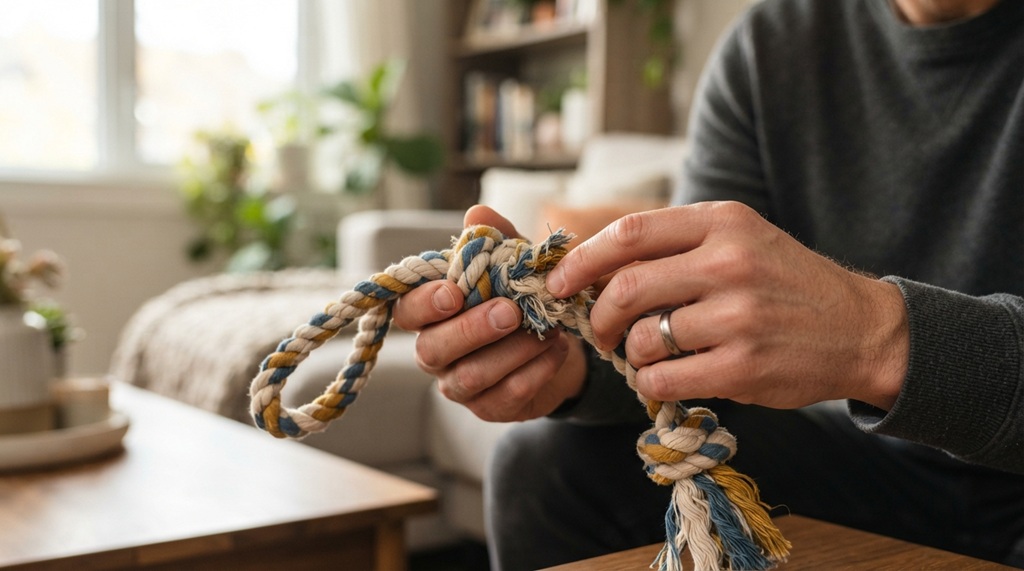
Rope toys are great for indoor tug-of-war, a game that helps build a strong bond with your dog without needing much space. They are also useful for dental health, as the fibers can help clean teeth. However, you must inspect them regularly. If the rope becomes frayed and threads start coming loose, throw it away. Ingested rope fibers can cause severe “linear foreign body” blockages in the intestines, which is a serious surgical emergency.
Essential Safety Standards & Non-Toxic Certifications for Urban Dog Toys
Navigating the crowded pet market requires prioritizing third-party safety certifications—such as ASTM F963 compliance or the European Union’s CE marking—which verify that a manufacturer adheres to rigorous chemical composition and physical durability testing. When selecting urban-friendly playthings, actively seek products clearly labeled as non-toxic, BPA-free, phthalate-free, and latex-free to shield your dog from hazardous materials. As a quick practical check, perform a simple “smell and color test” in-store: high-quality toys should remain virtually odorless and colorfast, whereas any strong chemical fumes or easily transferred dyes signal poor manufacturing. Beyond choosing non-toxic chews to protect your pet’s internal health, holistic urban care also extends to topical wellness; pairing safe playthings with choosing the best shampoo for dogs with skin allergies ensures you effectively prevent bath-time irritation while keeping your city dog happy and thriving.
Size and Shape: A Crucial Safety Factor
The physical dimensions and shape of a toy are just as important as the materials. A toy that is too small is a choking hazard, while one that is too large may be cumbersome and frustrating for your dog.
As a general rule, a chew toy should be large enough that your dog cannot fit the entire thing in their mouth. If they can, it poses a significant choking risk. For ball-shaped toys, choose one that is bigger than your dog’s mouth and always supervise the game. For flat toys, check that they are too wide to be swallowed.
The shape is also critical. Avoid toys with long, thin protrusions, like arms, legs, or tails on plush toys, which can be chewed off and swallowed. Similarly, toys with squeakers are a risk. Many dogs will work to extract the squeaker, which is typically a small, hard plastic piece that is very dangerous if ingested. If you choose a squeaky toy, be prepared to supervise and discard it at the first sign of damage.
Regular Inspections and Replacement Schedules
You cannot simply buy a toy and forget about it. Regular inspection is the most effective way to prevent toy-related accidents. City living often means your dog plays more independently, making these checks even more vital.
Create a habit of inspecting all toys at the end of each day. Look for any signs of damage, including:
- Deep bite marks or gouges that can trap your dog’s jaw or break off into sharp pieces.
- Loose parts, including eyes, noses, tags, or inner liners.
- Frayed edges on rope or fabric toys.
- Any cracks or holes in rubber toys that can expose the inner material or create a suction hazard.
Do not wait for a toy to be completely destroyed. If it shows significant wear, replace it immediately. The cost of a new toy is always less than the cost of an emergency vet visit. A good rule of thumb is to have a rotation of toys and to swap them out every few weeks to keep your dog interested and to ensure you are regularly checking their condition.
Situational Advice: Indoor vs. Outdoor Play
Your dog’s play environment changes their risk level. A toy that is safe in a carpeted apartment might be risky on a concrete pavement. It is wise to have designated toys for different settings.
For Small Apartment Spaces
Indoors, quiet toys are a boon. A squeaky toy that goes off at 2 a.m. can irritate neighbors and building management. Solid rubber toys and puzzle feeders are quiet and ideal for indoor mental stimulation. Always choose toys that are gentle on your floors; avoid hard plastic that can scratch wood or tile.
For City Streets and Parks
Outdoors, the primary concern changes to hygiene and visibility. A bright-colored toy is easier to spot on a grassy area or in a pile of leaves and is less likely to be lost or accidentally stepped on. You must also be mindful of other city elements. A ball that bounces into a busy street is a danger. Likewise, toys can get dirty with pesticides, salt, or other chemicals from sidewalks and parks. Clean all outdoor toys thoroughly when you return home.
Frequently Asked Questions
Are tennis balls safe for my city dog?
Generally, no, especially for aggressive chewers. The fuzzy outer coating is highly abrasive and can wear down your dog’s teeth very quickly. If your dog is a “de-stuffer”, they will ingest the fuzz and inner rubber, which can cause intestinal blockage. If you must use a ball, opt for a high-quality rubber ball designed specifically for dogs.
Can I give my dog a frozen toy to chew on?
You can, but be cautious. While a cold treat can soothe teething puppies, a rock-hard frozen toy, like a car tire toy soaked in water and frozen, is as dangerous as a hard piece of plastic. It can easily crack teeth. Instead, use a treat-dispensing toy filled with soft, frozen peanut butter or yogurt in moderation.
How do I know a toy is the right size for my dog?
A simple test is that the toy should be too large to fit completely inside your dog’s mouth. For example, a dog ball should be larger than the opening of your dog’s mouth when they try to pick it up. If the toy can be fully engulfed, it’s a choking hazard and should be sized up.
Is it okay to leave my dog with a chew toy unattended?
It is generally safe to leave a dog with a high-quality, durable rubber chew toy that has no removable parts. However, you should never leave them unattended with a toy that has a squeaker, is made of rope, or is easily torn. Always assess the toy’s condition before leaving it with your dog.
Why does my dog tear up their toys?
Tearing apart toys is often a manifestation of natural predatory instincts or a way to relieve stress and anxiety. It’s not always “bad” behavior, but it is destructive. Instead of fighting it, you can channel this instinct with toys specifically designed to be taken apart, like “plush with no stuffing” toys or cardboard puzzle boxes (supervised, of course).
Conclusion
Finding the right toys for a city dog is about balancing durability, safety, and engagement. The core principles are understanding the hard surfaces your dog plays on, prioritizing flexible, non-toxic materials, and being vigilant about size and physical condition of the toys. By avoiding hard plastics, stuffing-filled plush toys, and hazardous “indestructible” bones, and opting instead for high-quality rubber, puzzles, and gentle rope toys, you are making a smart investment in your dog’s physical and mental well-being. Remember, the best toy is one that is safe, fun, and survives the unique challenges of your urban life together. Choose wisely, inspect regularly, and you and your pup will enjoy countless safe, happy play sessions.



Leave a Reply