
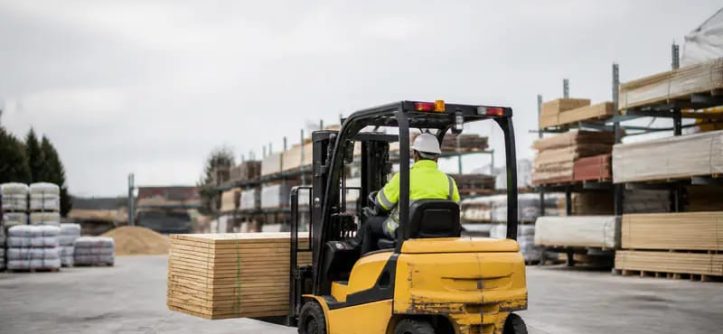
Many builder’s merchant yard jobs involve the moving of heavy, and often awkwardly shaped, products around the yard. Many of these yard jobs involve some form of forklift work and as such forklift certification is a key aspect of many of these roles. Here we take a look at what forklift certification involves and how it can affect your application for yard and warehouse jobs.
Why certification matters for yard roles
Many roles in the yard, especially those that involve moving Timber, aggregates and boards around the yard on a regular basis, can involve the use of a counterbalance truck or reach truck. This type of equipment can cause serious damage to stock and to people and buildings if not used properly. Thus the need for forklift certification to be a genuine requirement of any employer and for it to be clearly mentioned in any job description for roles that involve regular use of a forklift to complete the tasks of the job.
What accredited training actually looks like
Proper forklift training is not just to throw someone on a machine and explain the basics. Recognised lift truck operator training standards need to be covered in a training course, such as those published by RTITB and NPORS. Training providers can be accredited by these bodies and upon completion of a course an accredited certificate is issued. This certificate can then be verified by an employer. An unverifiable certificate is often treated with the same suspicion as not having a certificate at all.
Do you need a certificate before applying
While a valid certificate can be an advantage in applications for warehouse and yard roles, many Selco Jobs are available to new applicants with no prior experience of operating a forklift. In some cases, the existing staff may have certificates for counterbalance trucks, reach trucks and pulley lifts, but not all of them. Having an existing valid certificate can mean that you can start work sooner, as you will not need to wait for the in-house training to be scheduled.
What a typical course covers
This can cover a written or verbal test for students covering topics such as safe operating practices, load weights and basic machine mechanics. The course then moves on to practical driving tests of basic maneuvers, stacking and reversing around corners and other complex areas. Load handling is a key component covering how to estimate weight of a load and how to balance a load on a fork truck. Students will also learn daily pre-use checks such as checking the condition of tires, hydraulic oil levels, warning devices and fork condition.
How long certification stays valid
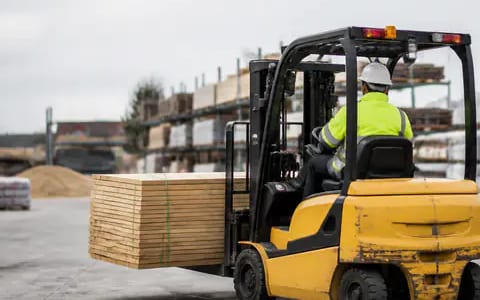
A Forklift Certificate is only valid for a number of years and even then you will need to complete a refresher course which typically lasts a few days and will cover any updates to operator training. Most employers will also have an internal timescale for when a refresher course is required and this could be less than the number of years left on your current certificate, especially if you don’t use the forklift on a regular basis.
Who pays for training
If you’re an experienced operator, it’s often the applicant’s responsibility to pay for their forklift training to get certified to apply for forklift jobs. The cost of refresher forklift training is generally the responsibility of the employer.
For Selco Jobs, see BM Careers.
How to evidence certification on an application
It’s worth noting that even if you hold a valid external certificate, this does not necessarily mean you can use a forklift on a Selco site. The vast majority of large merchants, including Selco, have their own short internal authorisation process to validate new starters on specific trucks, around the yard and application of site specific rules.
What if your certificate covers a different truck type
Forklift training can be for different types of forklifts such as counterbalance and reach trucks and you will find that each type can have different training for it. So if you have a valid certificate for a reach truck this does not mean you can drive a counterbalance as this is a totally different machine with different controls and handling. You would need to do a conversion training course which would be a lot shorter than starting from scratch and teaching someone the basic of load handling and safety.
New to having a forklift certificate or no experience of using a forklift, then this information will be useful when applying for a job and what is expected of you as a potential applicant.


Leave a Reply