
You grab a shiny new tackle box, a bundle of lures, and a digital scale that looks impressive on the shelf. Three months later, half of that gear is collecting dust, and the scale reads wrong every time you land a bass. We have all been there. The problem isn’t a lack of options; it is a lack of a smart buying strategy. If you want to avoid throwing cash into the water, you need to focus on utility, durability, and accuracy—starting with essentials like a reliable fishing accessory, an affordable fish scale that actually works when you need it most. This guide walks you through exactly how to spend smart, not hard.
Why Do Most Anglers Overspend on Fishing Accessories?
The “More Gear Equals More Fish” Myth
Most beginners believe that owning every gadget guarantees a full cooler. In reality, the best anglers carry less than ten core items. Overspending happens when you buy for the feeling of being prepared rather than for the actual fishing conditions you face. Stick to tools that solve a real problem, such as weighing a catch accurately or cutting line cleanly.
Retail Marketing Traps You Fall For
Tackle shops use bright packaging, limited-time discounts, and “pro-endorsed” labels to push low-quality extras. A $50 combo kit filled with brittle hooks and a poor-quality scale is worse than buying three high-quality items. Always check independent reviews before pulling out your wallet.
Confusing Price with Performance
Expensive does not always mean effective. A $10 fish scale that is certified accurate will outperform a $60 scale packed with Bluetooth features that drains batteries mid-trip. Look for certifications, not brand prestige.
What Features Make a Fish Scale Worth Your Money?
Accuracy Certification and Weight Capacity
Any scale you buy should have a stated accuracy rating, such as ±0.1 oz or ±10 g. For most freshwater fishing, a 50 lb capacity is plenty. Saltwater anglers should look for a 100 lb capacity to handle larger species. Avoid scales that only list a maximum weight without an accuracy guarantee.
Build Quality: Waterproofing and Drop Resistance
Fishing is tough on electronics. Look for an IPX6 or IPX7 waterproof rating so the scale survives rain, splashes, or an accidental drop in the boat. A rubberized casing adds drop resistance. Plastic casings crack easily when you are holding a thrashing fish.
Portability and Display Readability
A pocket-sized scale under 8 ounces is ideal. The display must be backlit and large enough to read in low light or direct sunlight. Cheap scales often have tiny, dim screens that force you to squint while holding a 15 lb catfish.
How Do You Match Accessories to Your Specific Fishing Style?
Freshwater Bass and Panfish
You need a compact, lightweight scale with a hook or gripper that handles fish up to 20 lbs. A simple digital model with a tare function works perfectly. Avoid bulky scales with built-in measuring boards; they add unnecessary weight to your vest.
Saltwater Surf and Pier Fishing
Saltwater demands corrosion-resistant materials. Look for a stainless steel or anodized aluminum scale. A carabiner clip helps you attach it to your belt or bag. The scale should handle at least 50 lbs, and the display must be readable in bright beach sunlight.
Kayak and Wading Anglers
Space and weight are critical here. A floating fish scale is a smart investment—if you drop it, you do not lose it. Choose a model that fits inside a small waterproof pouch. A 2-ounce scale with a 30 lb capacity is often enough for most species caught from a kayak.
Which Fishing Accessories Deliver the Best Value for Beginners?
The Non-Negotiable Four
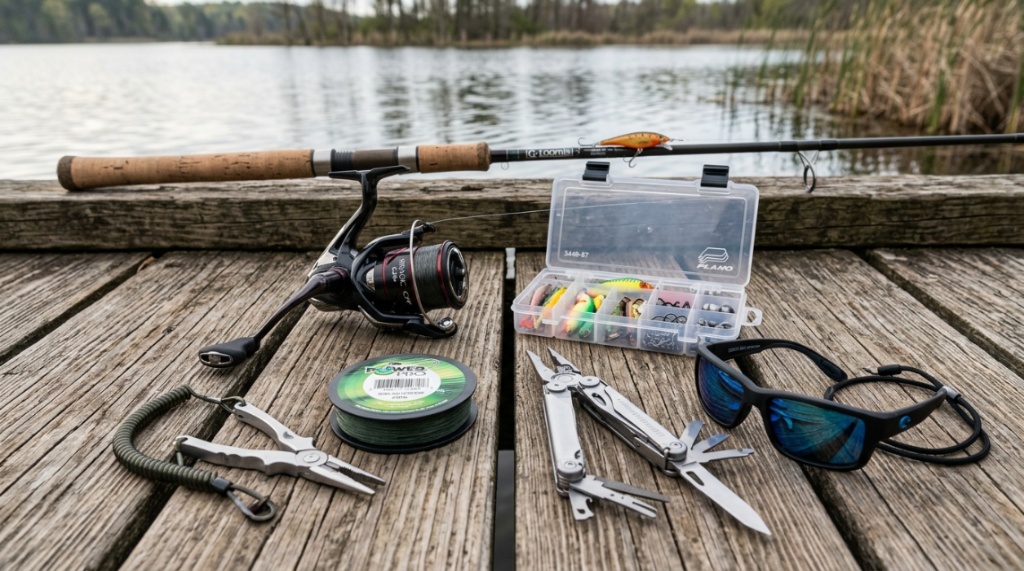
- Digital fish scale – accuracy over features
- Braid scissors – sharp, rustproof, and compact
- Forceps or pliers – for hook removal without damage
- Waterproof tackle bag – keeps everything dry
Items You Can Skip
- Multi-tools with 15 functions (you will use two)
- Electronic fish finder for shore fishing (limited utility)
- Expensive nets when a simple rubber mesh will do
Where to Spend the Extra Dollar
Invest in a high-quality fish scale. A reliable fishing accessories ensures you get accurate weight data for records, tournaments, or personal satisfaction. A cheap scale will fail when it matters most.
Is a Digital or Mechanical Scale Better for Long-Term Use?
Pros of Digital Scales
- Instant, precise readings down to tenths of an ounce
- Backlit displays for dawn and dusk fishing
- Tare function to subtract the weight of a net or bag
- Hold function to lock the weight while the fish moves
Pros of Mechanical Beam Scales
- No batteries required, ever
- Almost indestructible with proper care
- Works in extreme cold where batteries fail
Our Verdict for Everyday Anglers
For 95% of anglers, a good digital scale is the best choice. The accuracy and ease of use far outweigh the battery inconvenience. Mechanical scales are best for extreme conditions or as a backup. Just carry spare batteries in a dry box.
How Can You Test a Fish Scale for Accuracy Before Buying?
The Dollar Coin Test
A standard U.S. dollar coin weighs exactly 8.1 grams (0.286 oz). Weigh it on the scale. If the reading is off by more than 0.1 oz, the scale is inaccurate. This quick test works anywhere.
The Known Weight Test
Use a dumbbell or a bag of sugar that you weigh on a certified postage scale. Record the weight, then test it on your fishing scale. A discrepancy of more than 1% indicates quality issues.
The Repeatability Test
Weigh the same object ten times. If the readings vary by more than 0.2 oz, the scale lacks consistency. A good scale will give you the same number every time.
When Should You Replace a Fish Scale Instead of Repairing It?
Signs of Internal Wear
If the scale gives inconsistent readings even after changing batteries, the load cell has likely degraded. Most low-cost scales are not repairable because the components are sealed. Replacement is the only option.
Corrosion Damage Indicators
Rust around the hook, button, or battery compartment indicates salt or moisture entry. Once corrosion starts, it spreads quickly. Replace the scale before the reading becomes unreliable.
Display Malfunctions
Dead pixels, flickering numbers, or fading backlight mean the display is failing. Fishing in low light without a visible screen makes the scale unusable. Do not wait—swap it out.
Can You Use a Kitchen Scale for Fishing Weighing?
Why It Is a Bad Idea
Kitchen scales are not waterproof, lack a hold function, and cannot account for a moving fish. The gripping mechanism is not designed for live animals, and you risk injuring the fish or yourself. A regular kitchen scale can damage the fish’s slime coat and scales if you try to rest the fish on it.
The One Exception
If you are processing catch at home, a kitchen scale is perfectly fine for weighing fillets or whole cleaned fish. But for live catch-and-release weighing, always use a purpose-built fish scale to ensure the fish’s safety and survival.
Which Budget Range Gives the Best Balance of Quality and Cost?
Under $15: Good for Casual Fishing
These scales work for occasional panfish and small bass. Expect lower accuracy and shorter battery life. They are fine for a kid’s first rod or a backup scale. Look for simple models without extra features.
$15 to $40: The Sweet Spot
This price range offers certified accuracy, waterproofing, and decent build quality. Most tournament-level anglers use scales in this range. You get a backlit display, tare function, and a strong clip. This is where you should aim your budget.
Over $40: Professional and Tournament Grade
These scales offer certification, extreme durability, and high weight capacities. They are overkill for weekend anglers. Only spend this much if you fish competitively or target monster saltwater species regularly.
What Common Mistakes Lead to a Fish Scale Breaking Quickly?
Leaving It in Direct Sunlight in the Boat
Heat damages the internal electronics and battery. Store the scale in a shaded dry box or your tackle bag. High heat can warp the casing and degrade the waterproof seal.
Using the Scale to Pry Open Hooks or Cut Line
Fish scales are precision instruments, not tools. Using the hook or gripper to pry things can bend the load cell and ruin accuracy permanently. Always use dedicated pliers for hook removal.
Storing It with Wet Batteries
Moisture in the battery compartment causes corrosion that spreads to the circuit board. Open the compartment after every trip and let it air dry. Remove batteries if the scale will sit unused for two weeks or more.
How Do You Store Fishing Scales and Accessories Properly?
Use a Tackle Organizer with Foam Inserts
Foam protects electronic devices from impact. Place the scale in a dedicated foam slot so it does not rattle against hard lures or tools. This extends the life of the display and buttons.
Keep a Silica Gel Packet in Your Scale Case
Humidity is the enemy of electronics. A small silica gel pack absorbs moisture and prevents internal fogging and corrosion. Replace the packet every season for best results.
Clean and Rinse After Every Saltwater Trip
Rinse the scale thoroughly with fresh water, paying special attention to the hook and hinge. Dry it with a soft cloth. A 30-second rinse can add years to the life of your gear.
What Are the Best Accessories to Pair with Your Fish Scale?
Lip Gripper for Safe Handling
A lip gripper helps you hold the fish steady while you take the weight reading. It reduces stress on the fish and prevents you from dropping it. Many digital scales have a built-in gripper attachment.
Measuring Board or Tape
Weight alone is not enough for catch logs. A waterproof measuring board or a reinforced fabric tape lets you record length alongside weight. This data helps you track growth patterns over time.While beginners should stick to the basics to avoid overspending, your gear needs will shift dramatically if you transition from freshwater lakes to deep-sea environments. If you are ready to scale up your gear for open waters, check out our comprehensive Trolling Setup Guide for Offshore Fishing to ensure you invest in the right heavy-duty equipment.
Waterproof Notebook and Pen
Digital note apps are great, but batteries die. A Rite-in-the-Rain notebook and an all-weather pen let you record weights immediately. Write down the date, location, species, weight, and length for your personal records.
Frequently Asked Questions
How often should I replace the batteries in my fish scale?
Replace them at the start of every fishing season, or whenever the low-battery indicator appears. Many modern scales last 50,000 uses on one set. Always carry spare lithium batteries in a dry pack for long trips.
Can I calibrate a fish scale at home?
Some digital scales have a calibration button, but most require a known weight to calibrate manually. Use a certified calibration weight or a standard object like a 500 ml water bottle, which weighs exactly 500 grams. Follow the manufacturer’s instructions carefully.
Are fish scales with a tape measure built-in worth it?
They are convenient but often sacrifice accuracy in one or both functions. The tape measure is usually short and flimsy. If you weigh and measure frequently, buy separate tools for each job. Combination tools tend to compromise on quality.
What does the “tare” function do on a fish scale?
The tare function resets the scale to zero with the container or net attached. This lets you weigh only the fish without subtracting the net weight manually. It is essential for accurate tournament weigh-ins and catch-and-release records.
How do I clean a fish scale without damaging it?
Use a damp, soft cloth with mild soap. Never submerge the scale unless it is certified IPX7 waterproof. Wipe the hook, hinge, and display gently. Avoid abrasive cleaners or steel wool, which can scratch the display and remove protective coatings.
Is a fish scale necessary for catch-and-release fishing?
Yes, if you want to track your personal bests or contribute to conservation data. Accurate weights help scientists monitor fish populations. If you only fish for food, a scale is optional but helpful for following legal size and bag limits.
Can I use a fish scale in freezing temperatures?
Most digital scales work down to 14°F (-10°C). Below that, batteries lose power and LCD screens freeze. Mechanical beam scales work better in extreme cold. If you fish in winter, choose a scale rated for low-temperature operation.
Conclusion
Buying fishing accessories without wasting money comes down to one simple rule: prioritize function over flash. A reliable scale, a good pair of pliers, and a waterproof bag will serve you better than a trunk full of gadgets. Start by investing in a certified accurate fish scale that fits your fishing style—whether that is lightweight freshwater bass or heavy saltwater surfcasting. Test it before you trust it, store it properly, and pair it with a measuring tool for complete catch records. Remember, the best gear is the gear you actually use. Do not let marketing hype drain your wallet. Buy smart, fish hard, and keep only the accessories that make you a better angler every time you hit the water.



Leave a Reply