
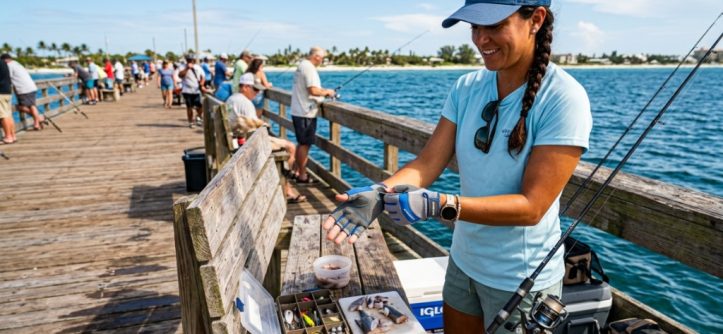
You have your rod, your tackle box is packed, and you are ready to hit the flats. But within an hour, your hands are raw from reeling in a big redfish, or the sun has turned your knuckles into leather. You need protection, but you do not want to spend a fortune on gear that will get slimy and salty. The struggle is real: finding affordable fishing gloves Florida anglers can rely on without sacrificing dexterity or durability. This guide will walk you through exactly what to look for, what to avoid, and how to get the most value for your money in the Sunshine State.
What Makes Florida Fishing Different for Your Hands?
Florida fishing presents a unique combination of harsh elements that standard gloves simply cannot handle. You need gear built for tropical sun, sharp teeth, and constant moisture.
The Triple Threat: Sun, Salt, and Speed
Florida anglers battle intense UV radiation that burns exposed skin within 15 minutes. Saltwater constantly dries out your hands, while high-speed reel action creates friction blisters. A good glove must block UV rays, dry quickly, and provide grip when wet. Most general-purpose gloves fail on at least one of these fronts, making them a waste of money.
Why Cheap Gloves Fail in Saltwater
Inexpensive gloves often use low-grade nylon or cotton. Cotton holds salt and moisture, leading to macerated skin and odors. Cheap stitching dissolves in saltwater within a few outings. You want gloves with corrosion-resistant zippers and bonded seams that do not unravel after a single charter trip.
Understanding the Florida Climate Impact
High humidity means your hands sweat even when you are not fighting a fish. You need breathability. If a glove claims to be waterproof but has no ventilation, your hands will be soaking wet from sweat anyway. Look for mesh backs or vented knuckles to keep air moving.
Which Materials Hold Up Best in Hot, Saltwater Conditions?
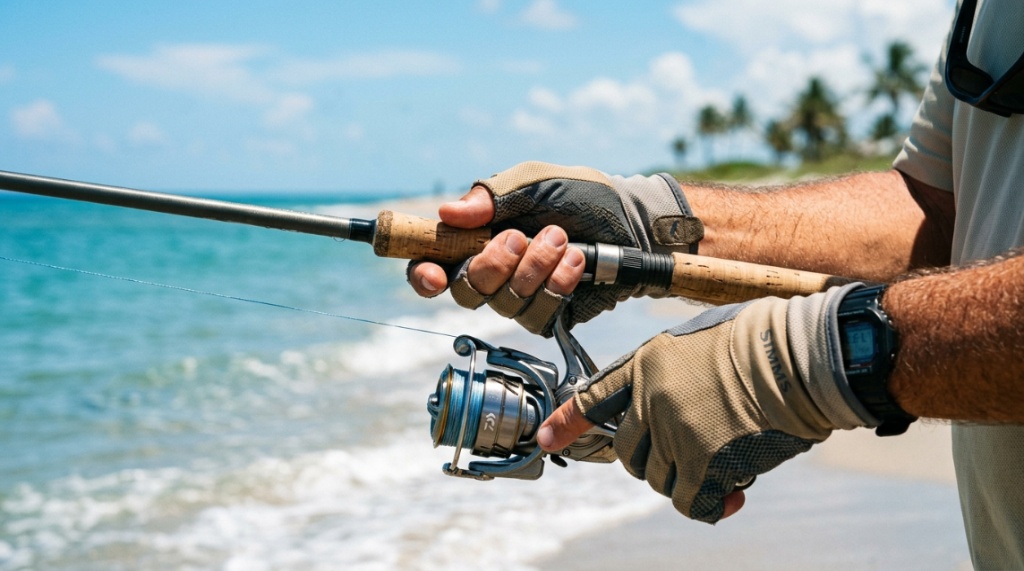
The material of your glove determines its lifespan and comfort level in Florida’s demanding environment. Choose wisely to avoid buying replacements every month.
Neoprene vs. Synthetic Leather
Neoprene is excellent for warmth but traps heat. For Florida, thin 1-2mm neoprene works for early morning trips, but synthetic leather (like Amara or Clarino) is superior. It offers excellent grip when wet, dries fast, and resists UV degradation better than natural leather which rots quickly in salt.
The Importance of Quick-Dry Mesh
Look for gloves with a Lycra or Spandex back. These materials stretch for a good fit and allow water to evaporate rapidly. When you dip your hands in the water to cool off, mesh-backed gloves dry in minutes, preventing that clammy feeling that leads to skin irritation.
UV Protection Fabrics (UPF Rating)
Your hands are often the most exposed part of your body. Do not just look for sun protection in shirts. Check the glove’s UPF rating. A UPF 50+ rating is ideal for full-day charters. Polyester and nylon blends typically offer better inherent UV resistance than cotton or wool blends.
How Do You Balance Dexterity With Protection?
The biggest complaint anglers have about gloves is that they are too bulky to tie knots or handle small lures. You need precision without becoming vulnerable to hooks and spines.
Reinforced Fingertips vs. Full Palm Coverage
Many anglers prefer half-finger or fingerless gloves for maximum tactile feedback. However, full-finger gloves with reinforced fingertips on the index and thumb allow you to feel the line while protecting you from catfish spines. Test the glove by trying to pick up a penny before you buy it.
Grip Technology for Wet Hands
Silicone palm printing is the gold standard. Look for large, textured silicone dots or patterns on the palm and fingers. This provides a non-slip grasp on wet rod handles and braided line. Avoid gloves with smooth leather palms, as they become slippery as a wet fish when soaked.
Touch Screen Compatibility
In 2024, this is a non-negotiable feature. You need to answer a call or check a fish-finder app without removing your gloves. Cheap gloves often have a single conductive dot that stops working after one wash. Look for conductive thread woven into the fingertips, not just painted on.
What Features Prevent Blisters and Hand Fatigue?
Repeated casting and reeling create friction points that can ruin a day on the water. The right features can extend your fishing time significantly.
Padding Placement Matters
You do not want padding everywhere, just where you need it. Look for gel or foam padding specifically in the palm area where the rod butt rests. Avoid bulky padding on the fingers, as it reduces dexterity. A well-placed pad absorbs vibration from heavy tackle but lets you feel the bite.
Wrist Closure Systems
A loose glove creates friction. A tight one cuts off circulation. Look for adjustable hook-and-loop straps (Velcro) at the wrists. Some higher-end affordable models use a cinch cord. This keeps sand and debris out and stops the glove from slipping during a hard fight.
Anti-Microbial Treatments
Sweat and salt create a breeding ground for bacteria. Many modern gloves use silver ion or zinc oxide treatments to fight odor. This is crucial for anyone who fishes multiple days in a row. Treated gloves will last longer between washes and smell much fresher.
Are Fingerless or Full-Finger Gloves Better for Florida?
This depends entirely on your specific target species and the time of year. Both styles have a dedicated following among Florida anglers.
Fingerless Gloves for Warm Weather Species
For tarpon, snook, or trout fishing in peak summer, fingerless gloves offer sun protection for your palms while keeping your fingers free for tying leader knots. They are cooler and allow for maximum blood flow. The trade-off is zero protection against sharp gill plates or teeth.
Full-Finger Gloves for Safety and Casting
If you target catfish, bluefish, or mackerel (mackerel have razor teeth), full-finger gloves are a safety necessity. They also prevent blisters from braided line cuts. Modern full-finger gloves are thin enough to cast effectively but thick enough to stop a hook point from embedding in your skin.
Hybrid Convertible Gloves
Some gloves feature a fold-back mitten cap or removable trigger finger covers. These are versatile but often cost more and can be less durable due to the moving parts. For a strictly affordable budget, a dedicated style usually wins over a multi-functional design.
How to Find Affordable Fishing Gloves Florida Anglers Trust?
Knowing where to look and what brands to consider can save you time and money. You do not need to buy the most expensive brand to get quality protection.
Top Budget-Friendly Brands and Where to Find Them
Brands like HUK, AFTCO, and KastKing offer solid gloves in the $15 to $30 range. You often find these on Amazon or at large retailers like Bass Pro Shops. Look for seasonal sales in early spring. Buying last year’s color pattern can save you 30% without sacrificing performance.
Comparing Price vs. Lifespan (Cost Per Wear)
A $10 glove that lasts three trips costs you $3.33 per trip. A $30 glove that lasts thirty trips costs you $1.00 per trip. Always calculate cost per wear. Paying slightly more for bonded seams and quality elastic is often cheaper in the long run.
Reading Reviews for Saltwater Performance
Do not just look at the star rating. Read the 3-star reviews. Those are the most honest. Look specifically for the words “saltwater,” “corrosion,” and “durability.” If multiple reviews mention the stitching failing after one salt trip, avoid that model. You can find a curated list of top-rated, affordable fishing gloves Florida anglers recommend for these exact conditions.
How Should You Care for Fishing Gloves to Make Them Last?
Proper maintenance doubles the life of your gloves. Neglecting them is the fastest way to turn a good investment into trash.
The Freshwater Rinse Rule
After every trip, rinse your gloves in freshwater immediately. Salt crystals are like tiny knives that cut fibers and corrode threads. Do not let them sit in your tackle bag wet. Rinse them, squeeze out the water, and hang them to dry in the shade. Never put them in a dryer.
Washing Best Practices
Once a week (or after a heavy slime session), hand wash them with mild soap. Do not use detergent with bleach or fabric softener. Softener clogs the pores of synthetic leather and ruins the grip. Let them air dry completely.
Storage Tips to Prevent Odor and Mold
Store gloves in a well-ventilated mesh bag, not a sealed plastic Ziploc bag. If you notice a smell, soak them in a mixture of white vinegar and water (1:4 ratio) for 30 minutes, then rinse. This kills bacteria without damaging the material.
Can You Fish Without Gloves in Florida Safely?
Technically yes, but you take on significant risks that can end your trip early or cause long-term damage.
The Risk of Skin Cancer
Florida has one of the highest rates of skin cancer in the US. The back of your hands receives constant sun exposure while driving and fishing. Skin cancer on the hands is common and dangerous because the skin is thin. Gloves are arguably the most important piece of sun protection you can wear.
Injury from Fins and Teeth
A catfish spine can cause a painful puncture wound that often becomes infected. Barracuda and mackerel have teeth designed to slice. A simple cotton glove offers no protection, but a Kevlar-reinforced palm can stop a sharp spine from penetrating deeply.
Hook and Line Cuts
When a fish thrashes, a treble hook can swing into your palm. Braided fishing line is incredibly sharp. When you grab a line to lip a fish, the line can cut deep into your finger. A good glove adds a layer of protection that prevents these common injuries.
How to Properly Fit Fishing Gloves for Comfort?
An ill-fitting glove is worse than no glove. It causes blisters, reduces circulation, and makes casting awkward.
Measuring Your Hand Correctly
Measure the circumference of your dominant hand around the knuckles (excluding the thumb). Also measure from the tip of your middle finger to the base of your palm. Use the manufacturer’s size chart, not a generic “small, medium, large” guess. Sizes vary wildly between brands.
The Snug vs. Tight Rule
Your gloves should fit like a second skin. There should be no excess material at the fingertips (this creates “dead space” that reduces dexterity). You should be able to make a fist without the fabric pulling uncomfortably tight across the back of your hand. If they are loose when wet, they are too big.
Consider the Seaweed Factor
A loose cuff can let sand and debris inside. If you wade fish, a tight seal at the wrist is critical. Some gloves have an extended cuff that tucks into your rash guard or long-sleeve shirt. This creates a seamless barrier against the elements.
Equipping yourself with the right gear shouldn’t be expensive. Before you head out on your next trip, check out our guide on Fishing Accessories Without Wasting Money to complete your kit while staying within your budget.
Frequently Asked Questions
What is the best material for fishing gloves in hot weather?
Amara synthetic leather combined with Lycra mesh is best. It dries fast, breathes well, and offers excellent UV protection without trapping heat like neoprene does in Florida summer conditions.
Can I use gardening gloves for fishing?
No. Gardening gloves are made of cotton or heavy rubber. They hold moisture, offer no UV protection, and lack the dexterity needed for tying knots or handling small hooks. They can actually be dangerous due to poor grip when wet.
How often should I replace my fishing gloves?
With proper rinsing after each use, quality gloves last 6 to 12 months. Replace them when you notice fraying seams or thinning palms or when the silicone grip wears smooth. If they smell musty after washing, it is time for a new pair.
Do I need different gloves for freshwater vs. saltwater fishing in Florida?
Not necessarily. A good pair of saltwater-rated gloves works fine in freshwater. However, freshwater bass fishing often requires more dexterity for flipping and pitching, so a thinner glove is preferable. Saltwater gloves are generally more durable.
Are expensive brand-name gloves worth the extra cost?
Not always. Mid-range gloves ($20-$30) often offer the best value. You pay for features like better stitching and proper fit. Extremely expensive gloves ($60+) often have minor upgrades that casual anglers do not need. Focus on material and fit over brand logos.
Can I wash fishing gloves in a washing machine?
Hand washing is strongly recommended. Machine washing on a gentle cycle is acceptable only if you place the gloves in a mesh laundry bag and use cold water. Never use fabric softener or bleach. Never put them in the dryer. Air dry away from direct sunlight.
Do fishing gloves protect against fish spines?
Yes, but only if they are made of puncture-resistant materials like Kevlar or thick synthetic leather. Standard nylon or spandex gloves offer minimal protection against catfish or lionfish spines. Check the product description specifically for “puncture-resistant” features.
Conclusion
Choosing the right pair of gloves for Florida waters does not have to be a frustrating experience. Focus on materials that resist salt and sun, prioritize dexterity for knot-tying, and always rinse them after a day on the water. Remember that an affordable price tag does not mean you have to sacrifice safety or comfort. By understanding the specific threats—UV rays, sharp teeth, and friction—you can make a smart purchase that keeps your hands protected for many trips to come. Do not wait until your hands are already burned or cut. Invest in a reliable pair today and focus on the fish, not the pain.



Leave a Reply