
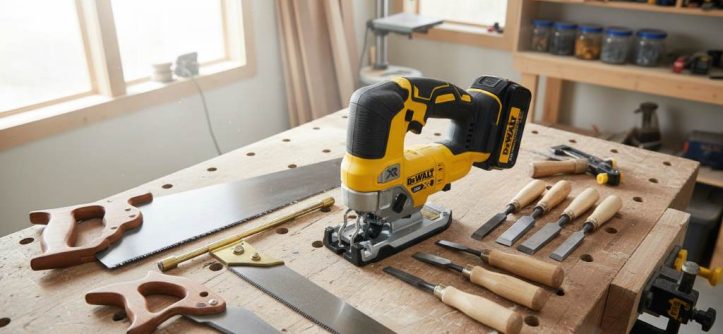
Imagine stepping into your workshop, surrounded by the scent of fresh lumber, ready to turn raw wood into something beautiful. You grab a tool, and suddenly, ideas come alive. Yet, without the right essentials, that dream quickly fades. Essential wood cutting tools form the backbone of any successful workshop. They empower creators to shape projects with precision and ease. According to the U.S. Bureau of Labor Statistics, overall employment of woodworkers faces a 2 percent decline from 2024 to 2034, yet about 21,400 openings emerge each year due to replacements. Moreover, the National Electronic Injury Surveillance System reports thousands of woodworking injuries annually, highlighting the need for reliable tools to enhance safety. For those seeking a fine cut jigsaw, options like the DEWALT XR stand out for intricate work. This article explores must-have tools, offering practical insights to build your setup confidently.
Why Quality Matters in Wood Cutting Tools
Quality tools elevate your woodworking experience. They deliver clean cuts and reduce effort. Beginners often start with basic kits, but seasoned makers know durable options last longer. Invest wisely, and you avoid frustration from dull blades or shaky handles. Additionally, superior tools minimize risks. Statistics show over 30,000 table saw injuries happen yearly in the U.S., per research from the National Institutes of Health. Proper selection prevents such issues. Furthermore, these instruments boost creativity. You tackle diverse projects, from simple shelves to ornate carvings. Consider how a sharp blade transforms rough timber into smooth pieces. Workshops thrive when equipped thoughtfully. So, prioritize features like ergonomic designs and robust materials. This approach ensures efficiency and joy in every session.
Starting with Hand Tools for Fundamental Cuts
Hand tools provide control for detailed tasks. They teach fundamentals before power options enter the scene. Beginners appreciate their simplicity and portability. For instance, a reliable hand saw allows straight lines without electricity. Pair it with a chisel set, and you refine edges effortlessly. These basics build skills gradually. Moreover, they fit small spaces perfectly. Picture shaping a wooden frame by hand; the process feels intimate and rewarding. Always sharpen blades regularly to maintain performance. Transitioning to power variants later becomes seamless. In short, hand tools lay a strong foundation. They encourage patience and precision in your craft.
Types of Hand Saws Every Maker Should Own
Various hand saws suit different needs. A crosscut saw excels at slicing across grain. It creates clean ends for joints. Next, a rip saw handles along the grain efficiently. This type speeds up dimensioning boards. Additionally, a coping saw manages curves and intricate patterns. Crafters use it for scrollwork or puzzles. For finer details, turn to a backsaw. Its reinforced spine ensures straight cuts in tight spots. Each variety enhances versatility. Stock your bench with these, and you handle most manual tasks. Remember, practice hones your technique over time.
Chisels: Sculpting Wood with Finesse
Chisels carve and shape with accuracy. Select a set ranging from narrow to wide blades. Narrow ones detail grooves, while wider versions remove material quickly. Woodworkers strike them with mallets for controlled force. This method avoids slips and errors. Furthermore, bevel-edged chisels glide smoothly through fibers. They suit paring and mortising work. Keep them honed for best results. Dull edges tear wood instead of slicing. Integrate chisels into routines for joinery or decorative elements. Their role proves indispensable in refining projects.
Power Tools That Revolutionize Your Workflow
Power tools accelerate progress dramatically. They handle heavy-duty cuts that hand options struggle with. Workshops gain efficiency through these machines. For example, they process large volumes swiftly. However, choose models with safety features like guards and switches. This precaution protects users during operation. Additionally, cordless versions offer freedom from outlets. Battery tech advances make them powerful rivals to corded counterparts. Explore key types below. Each brings unique strengths to your arsenal.
Circular Saw: Your Go-To for Straight Lines
A circular saw cuts through sheets and boards effortlessly. It shines in breaking down plywood or framing lumber. Adjust depth for precise thicknesses. Mobility sets it apart; take it to job sites easily. Blades vary by tooth count for smooth or fast cuts. High-tooth blades yield finer finishes on hardwoods. Attach a guide rail for straight paths. This setup rivals table saw accuracy in portability. Crafters rely on it for initial sizing. Maintain by cleaning dust buildup regularly. Such care extends blade life significantly.
Table Saw: Precision at the Core
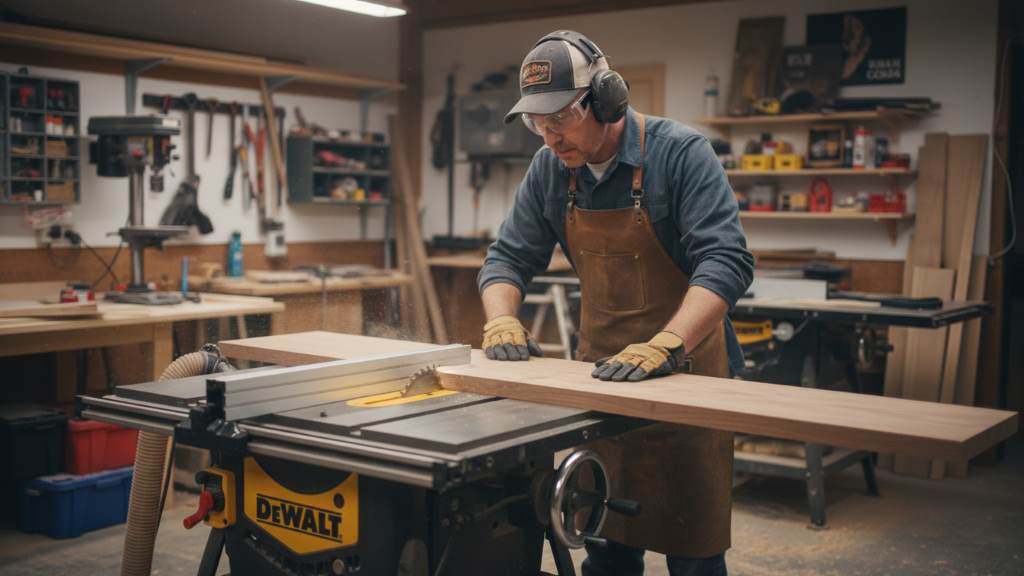
Table saws anchor many workshops firmly. They rip long boards with unmatched straightness. Fence systems ensure consistent widths every time. Blades tilt for bevel cuts, expanding possibilities. Safety demands push-button starts and blade brakes. Position materials carefully to avoid kickback. Experienced users add extensions for larger panels. This tool excels in cabinetry and furniture building. Calibrate alignments periodically for optimal performance. Its stability transforms chaotic cuts into professional results.
Miter Saw: Mastering Angles and Crosscuts
Miter saws specialize in angled crosscuts. They create perfect miters for frames or moldings. Sliding models handle wider stock smoothly. Compound versions bevel as well, ideal for crown work. Secure workpieces firmly before activating. Laser guides aid alignment for spot-on accuracy. Switch blades for different materials like laminate. Workshops benefit from its speed on repetitive tasks. Dust collection ports keep areas clean. Regular use builds confidence in complex assemblies.
Jig Saw: Navigating Curves and Details (Incl. DEWALT XR)
Jig saws tackle curved and irregular shapes adeptly. Their narrow blades maneuver tight radii with ease. Adjust speeds for material types; slower for metals, faster for woods. Orbital actions enhance aggression on thick pieces. The DEWALT XR Jig Saw exemplifies excellence here. Its brushless motor extends runtime notably. You achieve up to 3,000 strokes per minute. Four orbital settings adapt to various thicknesses. An LED light illuminates cut lines clearly. Tool-free blade changes save precious time. Dust blowers maintain visibility during operation. This variable speed tool adjusts seamlessly via trigger control. Precision shines in scrollwork or plywood patterns. Lightweight design reduces fatigue over long sessions. Compatibility with other batteries adds convenience. Integrate it for intricate projects like toys or signs. Its rubber grip absorbs vibrations effectively. Workshops gain a reliable ally for creative freedom.
Band Saw: For Resawing and Intricate Patterns
Band saws resaw thick lumber into thinner veneers. Continuous blades loop for steady cuts. Vertical models suit most home setups. Tension adjustments keep blades tracking true. Guides prevent wandering on long passes. Use push sticks for safety near the blade. This tool handles contours better than most. Woodturners appreciate its versatility in blanks. Clean cuts minimize sanding later. Experiment with blade widths for tasks. Narrow ones curve sharply, wide ones rip straight.
Accessories That Enhance Cutting Efficiency
Accessories complement your tools perfectly. Clamps hold pieces steady during cuts. Measuring tapes ensure accurate dimensions always. Squares verify right angles quickly. Dust extractors maintain clean air and visibility. Hearing protection guards against noise. Push blocks guide materials safely on saws. These additions streamline workflows considerably. Stock up on blades and bits too. Variety prepares you for any project. Organization keeps everything accessible.
Related:
13-Foot Fire Escape Ladder: Essential Safety Tool for Two-Story Homes
BIM is a useful tool for architects
Must-Have Safety Gear
Safety gear protects you foremost. Goggles shield eyes from flying debris. Gloves provide grip without sacrificing dexterity. Respirators filter fine particles effectively. Earplugs dampen loud operations. Aprons organize pockets for tools. First-aid kits address minor mishaps promptly. Prioritize these for secure sessions.
Maintenance Practices for Longevity
Maintain tools to preserve performance. Clean after each use thoroughly. Lubricate moving parts as needed. Store in dry environments to prevent rust. Inspect cords for frays regularly. Sharpen blades at signs of dullness. This routine avoids breakdowns mid-project. Workshops run smoother with proactive care. Teach habits early for lasting success.
Step-by-Step Cleaning Guide
Follow these steps for effective cleaning. First, unplug power tools completely. Wipe surfaces with soft cloths. Remove sawdust from crevices gently. Apply protective oils on metal parts. Reassemble and test functions. Repeat monthly for best outcomes.
Building Your Workshop Step by Step
Start small and expand gradually. Assess space for tool placement. Budget for essentials first. Research user reviews online. Join communities for advice. Practice on scrap wood often. Track progress through simple builds. This journey fosters growth naturally.
Beginner Projects to Test Your Tools
Try these projects initially. Build a birdhouse with basic cuts. Assemble shelves using miters. Craft coasters from resawn boards. Each teaches techniques progressively. Celebrate completions to stay motivated.
Advanced Techniques with Essential Tools
Master tools for complex creations. Dovetail joints demand precise chiseling. Curved furniture requires jig saw expertise. Laminations benefit from table saw accuracy. Experiment boldly once comfortable. Tutorials online guide refinements. Your skills evolve with dedication.
Case Study: A Custom Table Build
One woodworker shared this story. He began with rough oak planks. The table saw ripped them evenly. Miter saw angled legs perfectly. Jig saw shaped decorative edges. Chisels refined tenons. Assembly resulted in a sturdy heirloom. Such examples inspire similar endeavors.
In summary, essential wood cutting tools empower your workshop adventures. From hand saws to the DEWALT XR Jig Saw, each plays a vital role. They enable precision, safety, and creativity. Build your collection thoughtfully. Practice consistently to hone abilities. Now, gather your tools and start that next project today.
FAQs
What Makes a Jig Saw Essential for Woodworking?
Jig saws offer unmatched flexibility for curves. They cut through various materials easily. Models like the DEWALT XR provide variable speed for control. Beginners find them intuitive. Advanced users appreciate orbital features.
How Do I Choose the Right Blade for My Saw?
Select blades based on material and cut type. Fine teeth suit smooth finishes. Coarse ones speed through rough stock. Match kerf width to tool specs. Change dull blades promptly.
Can Beginners Use Power Tools Safely?
Beginners succeed with proper training. Read manuals thoroughly first. Wear safety gear always. Start on low speeds. Supervised practice builds confidence quickly.
What Role Does Variable Speed Play in Tools?
Variable speed allows adjustments for tasks. It prevents burning on delicate woods. Higher speeds tackle denser materials. This feature enhances overall versatility.
How Often Should I Maintain My Wood Cutting Tools?
Maintain tools after heavy use. Inspect weekly for wear. Sharpen monthly as routine. Clean daily to remove residue. Consistent care ensures reliability.




Leave a Reply