
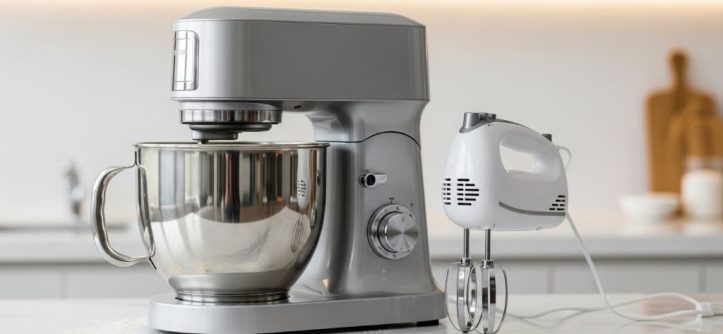
Choosing the right kitchen appliance can make or break your baking experience. When it comes to mixing ingredients, two popular options dominate home kitchens: stand mixers and hand mixers. Each has unique strengths that cater to different cooking styles and needs. This guide will help you determine which mixer best suits your lifestyle and culinary ambitions.
Understanding the Basic Differences
A stand mixer sits firmly on your countertop with a powerful motor housed in its base. The mixing bowl locks into place beneath the beater attachments. You can walk away while it works, making it a hands-free option for busy bakers.
In contrast, a hand mixer requires you to hold it throughout the mixing process. It’s lightweight and portable, featuring two beaters that you manually guide through your ingredients. The compact design makes storage simple, yet demands your constant attention during use.
Power and Performance Capabilities
Stand mixers typically offer more robust motors ranging from 250 to 1000 watts. This extra power handles heavy doughs and large batches effortlessly. Bread dough, thick cookie batters, and double or triple recipes pose no challenge to these workhorses.
Hand mixers usually operate between 150 and 300 watts. While less powerful, they excel at lighter tasks like whipping cream, beating eggs, and mixing cake batters. Therefore, they work wonderfully for everyday baking projects that don’t require excessive force.
The power difference becomes apparent when working with dense mixtures. A stand mixer can knead bread dough for ten minutes without strain. However, attempting the same task with a hand mixer may cause the motor to overheat or struggle significantly.
Versatility and Attachment Options
Modern stand mixers shine when it comes to versatility. Most models accept various attachments that transform them into multi-functional kitchen tools. Pasta rollers, meat grinders, food processors, and spiralizers can all connect to the power hub.
This baking appliance comparison reveals that hand mixers offer limited expansion possibilities. Some brands provide additional beater styles like dough hooks or whisks. Nevertheless, the attachment ecosystem remains considerably smaller than what stand mixers offer.
For home cooks who enjoy exploring different cuisines and techniques, a stand mixer opens countless possibilities. You can make fresh pasta on Tuesday, grind meat for burgers on Thursday, and bake bread on the weekend using one base machine.
Storage and Space Considerations
Counter space is precious in many kitchens. Stand mixers are substantial appliances that typically weigh between 15 and 30 pounds. They measure roughly 14 inches tall and occupy significant countertop real estate.
Hand mixers weigh only 2 to 5 pounds and store easily in drawers or cabinets. Their compact nature makes them ideal for small apartments, dorm rooms, or kitchens with limited storage. You can tuck them away between uses without hassle.
Consider whether you’ll keep your mixer accessible or stored. If counter space allows, leaving a stand mixer out encourages frequent use. Conversely, if you need to retrieve it from a cabinet each time, convenience diminishes significantly.
Cost and Budget Analysis
Price points vary dramatically between these two options. Entry-level hand mixers start around $20, while quality models range from $40 to $100. They represent an affordable entry point for beginning bakers or occasional users.
Stand mixers require a larger investment, typically starting at $200 for basic models. Professional-grade versions can exceed $500 or even reach $1000. Additionally, attachments add to the overall expense, though they expand functionality considerably.
When evaluating mixer differences in terms of cost, think about long-term value. A $300 stand mixer might seem expensive initially. However, if it replaces multiple appliances and lasts 20 years, the per-use cost becomes minimal.
Ease of Use and Convenience
Stand mixers offer unmatched convenience for hands-free operation. You can add ingredients gradually, scrape bowl sides, or attend to other tasks while mixing continues. This multitasking ability proves invaluable during complex recipes with multiple components.
Hand mixers demand continuous attention and physical effort. Your arm may tire during extended mixing sessions, particularly with thick batters. Furthermore, you’ll need to hold the mixer with one hand while steadying the bowl with the other.
The learning curve differs between both options. Hand mixers are intuitive and require minimal instruction. Stand mixers need more familiarization with speed settings, bowl positioning, and attachment changes. Nevertheless, most users master these basics quickly.
Cleaning and Maintenance
Maintenance requirements influence your daily experience significantly. Hand mixers feature removable beaters that wash easily in the dishwasher or sink. The lightweight body wipes clean with a damp cloth in seconds.
Stand mixers involve more components to clean. The bowl, beaters, and splash guard all need washing after use. The heavy bowl can be cumbersome to maneuver in the sink. However, most parts are dishwasher safe, simplifying the process.
The tilt-head design on many stand mixers allows easy access for cleaning around the attachment hub. Wipe down the base regularly to prevent flour dust buildup. Proper maintenance ensures decades of reliable performance.
Recipe Compatibility
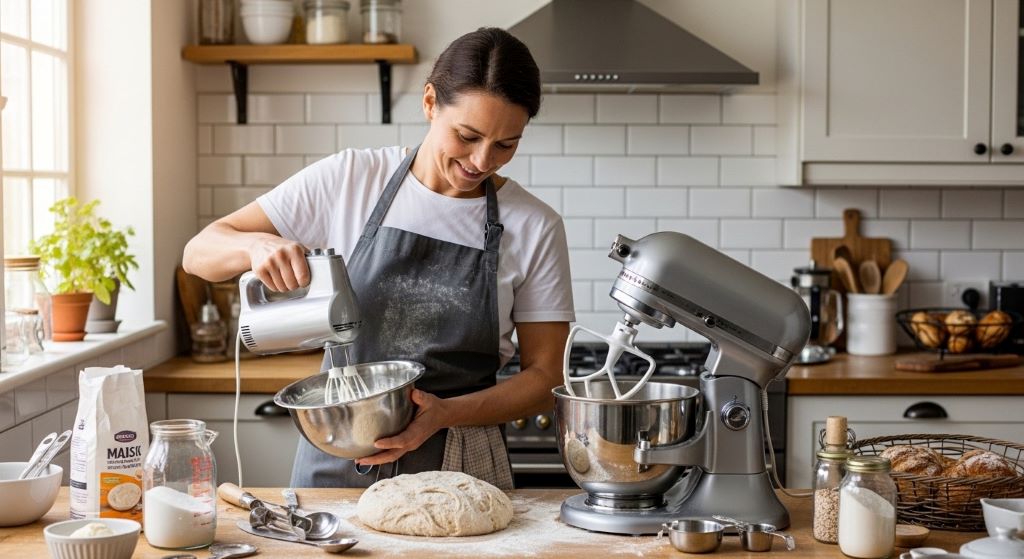
Certain recipes work better with specific mixer types. Stand mixers excel at recipes requiring prolonged mixing times or heavy ingredients. Artisan bread, meringues, and large batch cookies benefit from their consistent power and hands-free operation.
Hand mixers suit quick preparations and smaller quantities perfectly. Pancake batter, whipped cream, mashed potatoes, and simple cake mixes work wonderfully. They’re also ideal when cooking directly in pots or bowls that won’t fit on a stand mixer.
Professional bakers often own both types because each serves distinct purposes. A stand mixer handles the heavy lifting, while a hand mixer provides flexibility for specific tasks or small jobs.
Durability and Longevity
Build quality impacts how long your investment lasts. High-quality stand mixers feature metal gears and robust construction that withstands decades of use. Many families pass them down through generations, testament to their durability.
Hand mixers typically have shorter lifespans, averaging 5 to 10 years with regular use. Plastic components may crack or wear over time. Motors eventually weaken, especially if frequently pushed beyond their capacity.
Warranty coverage reflects manufacturer confidence in durability. Stand mixers often include warranties ranging from 1 to 5 years. Hand mixers usually offer 1 to 2 year warranties, indicating expected shorter service lives.
Baking Frequency and Volume
Your baking habits should guide your decision heavily. If you bake weekly or prepare large quantities regularly, a stand mixer justifies its cost and space requirements. The time saved and consistent results make it worthwhile.
Occasional bakers who whip up treats monthly or seasonally may find hand mixers sufficient. They provide adequate performance without requiring significant investment or storage space. Therefore, they match low-frequency baking lifestyles appropriately.
Consider future plans too. Perhaps you bake rarely now but dream of starting a side business or becoming more adventurous in the kitchen. Investing in a stand mixer supports these aspirations and grows with your skills.
Noise Levels During Operation
Sound generation varies between models and types. Stand mixers can be quite loud, particularly at higher speeds or when handling thick mixtures. The motor noise may disturb household members or prevent conversation in open-plan spaces.
Hand mixers generally operate more quietly due to smaller motors. While not silent, they produce less disruptive noise levels. This quieter operation suits early morning baking or apartment living where noise concerns matter.
Some premium stand mixer brands engineer quieter motors specifically. Research customer reviews regarding noise if this factor significantly influences your purchasing decision.
The noise difference becomes especially noticeable in open-concept homes where kitchen sounds carry throughout living areas. If you enjoy listening to music or podcasts while baking, a quieter mixer allows you to hear clearly without raising volume levels excessively.
Speed Settings and Control
Understanding speed options helps you appreciate the pros and cons of each mixer type. Stand mixers typically offer 6 to 12 speed settings, providing precise control for various tasks. Lower speeds incorporate dry ingredients without flour clouds, while higher speeds whip air into batters efficiently.
Hand mixers usually feature 3 to 9 speed settings. While fewer options than stand mixers, these speeds still cover most baking needs adequately. The trigger or dial controls sit conveniently under your thumb for quick adjustments during mixing.
Some advanced stand mixers include slow-start features that gradually increase speed, preventing ingredient splatter. Others offer pulse functions for short bursts of power. These refinements enhance control and reduce mess during operation.
Speed consistency also differs between types. Stand mixers maintain steady speeds regardless of mixture thickness. Hand mixers may slow down slightly when encountering resistance, requiring you to adjust pressure or speed manually.
Safety Features and Considerations
Both mixer types incorporate safety features, though they differ in implementation. Stand mixers include bowl-lift locks or tilt-head latches that prevent operation unless properly assembled. These mechanisms protect users from moving parts during attachment changes.
Hand mixers feature simpler safety designs. The beaters only spin when you press the trigger or button. Releasing your grip stops operation immediately, providing intuitive control. However, this also means accidental activation is possible if buttons get pressed unintentionally.
Overload protection exists in quality models of both types. Motors shut off automatically when overheating or straining beyond capacity. This feature prevents damage and extends appliance lifespan significantly.
Children’s safety deserves consideration too. Stand mixers pose less risk since they operate independently on counters away from curious hands. Hand mixers require more vigilant supervision when young helpers participate in baking activities.
Portability and Flexibility
Hand mixers win decisively in portability contests. You can easily carry them to different counters, outdoor cooking spaces, or even to friends’ houses. This mobility proves beneficial for potluck contributions or holiday cooking at relatives’ homes.
Stand mixers remain stationary once positioned. Their weight and bulk make relocation impractical for regular moves. However, this stability actually benefits mixing by preventing bowl movement during operation.
Think about where you’ll use your mixer most frequently. If you cook in multiple locations or lack dedicated baking space, portability becomes essential.
Making Your Final Decision
Several key questions help clarify which option suits you best. How often do you bake? What types of recipes do you make regularly? How much counter and storage space do you have available?
Assess your budget honestly, including potential attachment purchases. Consider whether you value hands-free operation enough to justify the higher investment. Reflect on your physical comfort holding a mixer for extended periods.
Many experienced home cooks eventually acquire both types. They use their stand mixer for major projects and keep a hand mixer for quick tasks. This combination approach provides maximum flexibility, though it requires budget and storage for both.
Conclusion
Choosing between a stand mixer and hand mixer ultimately depends on your individual circumstances and priorities. Stand mixers offer superior power, versatility, and hands-free convenience, making them ideal for frequent bakers and ambitious cooks. Their higher cost and space requirements are offset by durability and expanded capabilities through attachments.
Hand mixers provide affordable, portable, and storage-friendly solutions for occasional bakers and those with limited kitchen space. While less powerful, they handle most everyday mixing tasks admirably and require minimal investment.
Evaluate your current baking habits, future aspirations, available space, and budget carefully. Remember that both tools serve valuable purposes in home kitchens. The “best” choice is simply the one that aligns with your unique needs and helps you create delicious results consistently. Whether you select a powerful stand mixer or a nimble hand mixer, either option will enhance your culinary adventures when matched appropriately to your lifestyle.
Frequently Asked Questions
Can I make bread dough with a hand mixer?
While possible for very small batches, hand mixers struggle with bread dough. The thick consistency strains small motors and may cause overheating. Stand mixers handle bread dough much more effectively with specialized dough hooks and powerful motors designed for this purpose.
How much counter space does a stand mixer need?
Most stand mixers require approximately 10 by 14 inches of counter space. Additionally, you’ll need vertical clearance of about 14 to 17 inches. Measure your available space, including cabinet clearance above, before purchasing to ensure proper fit.
Are hand mixers good for making whipped cream?
Hand mixers excel at whipping cream and work just as effectively as stand mixers for this task. The lighter weight actually provides better control when monitoring consistency. Many professional bakers prefer hand mixers specifically for whipping cream and egg whites.
How long do stand mixers typically last?
Quality stand mixers often last 15 to 30 years or longer with proper maintenance. Some vintage models still operate after 50 years. The metal construction and repairable components contribute to exceptional longevity, making them worthwhile long-term investments.
Can I use a hand mixer in any bowl?
Yes, hand mixers work in virtually any bowl, pot, or container. This flexibility allows mixing directly in saucepans for custards or in large bowls for party-sized batches. Just ensure the bowl is deep enough to prevent splashing during operation.
Related Topics:
How to choose the best type of paint for kitchen
Top Ways to Brighten Your Kitchen Space




Leave a Reply