
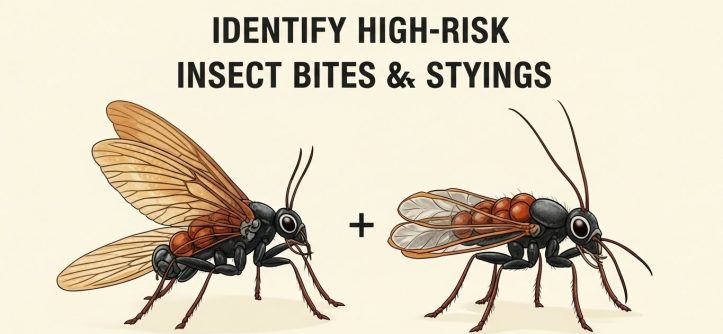
What does “how to identify insect bites” actually mean?
How to identify insect bites means recognizing visible skin signs, symptoms, timing, and risk factors to determine whether a bite or sting is harmless or medically dangerous.
Most insect bites are mild. A small bump. Some itching. It goes away in a day or two. The problem is that not all bites behave this way. Some trigger infections. Some cause allergic reactions. Others spread serious diseases.
Every year, millions of people delay treatment because they assume a bite is “normal.” According to CDC data, vector-borne diseases have more than doubled globally over the past two decades. The risk is not theoretical. It is happening now.
This guide focuses on high risk insect bites. You will learn how to identify warning signs early, understand which insects cause dangerous reactions, and know when to seek medical help.
The goal is simple. Reduce guesswork. Prevent complications. Act early.
Why is identifying high-risk insect bites important?
Identifying high-risk insect bites early reduces the chance of infection, allergic shock, and disease transmission.
Here is the problem. Many dangerous bites look harmless at first. A tick bite may show no pain. A spider bite may look like a pimple. A mosquito bite may carry disease without visible warning.
When people ignore early signs, treatment gets delayed. Case studies from emergency departments show that severe reactions often start with mild symptoms that were dismissed for 24–72 hours.
High-risk insect bites can lead to:
- Secondary bacterial infections
- Severe allergic reactions (anaphylaxis)
- Systemic illness such as fever or joint pain
- Long-term complications if untreated
Identifying risk early changes outcomes. It gives you time to act.
How can you tell if an insect bite is dangerous?
An insect bite is dangerous if it causes severe swelling, spreading redness, systemic symptoms, or rapid worsening within hours.
Use this quick checklist:
- Pain that increases instead of fading
- Swelling that spreads beyond the bite area
- Red streaks moving away from the bite
- Fever, chills, or body aches
- Difficulty breathing or dizziness
These signs indicate more than a local skin reaction. They suggest infection, venom effects, or immune response.
High risk insect bites usually change fast. If symptoms worsen after 6–12 hours instead of improving, that is a red flag.
What are the most common high risk insect bites?
High risk insect bites include ticks, certain spiders, bees, wasps, and disease-carrying mosquitoes.
| Insect | Main Risk | Early Warning Sign |
|---|---|---|
| Tick | Disease transmission | Expanding rash or flu-like symptoms |
| Spider (venomous) | Tissue damage or nerve effects | Intense pain or blistering |
| Bee/Wasp | Allergic reaction | Rapid swelling, breathing issues |
| Mosquito | Viral infection | Fever within days |
Not every bite from these insects is dangerous. Risk depends on reaction, location, and health status.
How do tick bites become high risk?
Tick bites become high risk when the tick remains attached long enough to transmit bacteria or viruses.
Ticks are painless. That is the danger. Many people do not notice them for hours or days.
Case data shows that transmission risk increases significantly after 24–36 hours of attachment. Early removal lowers risk.
Warning signs after a tick bite include:
- Expanding circular rash
- Fatigue and headache
- Joint or muscle pain
If symptoms appear within 3–30 days, medical evaluation is critical.
How can you identify venomous spider bites?
Venomous spider bites often cause localized pain followed by skin damage or systemic symptoms.
Most spider bites are harmless. A small percentage are not.
High risk spider bites may show:
- Sharp pain at the bite site
- Blistering or ulcer formation
- Muscle cramps or nausea
Emergency room case reviews show that misidentification delays treatment. People assume it is acne or an ingrown hair.
If a bite worsens within 12 hours or develops a dark center, seek medical care.
When do bee and wasp stings become dangerous?
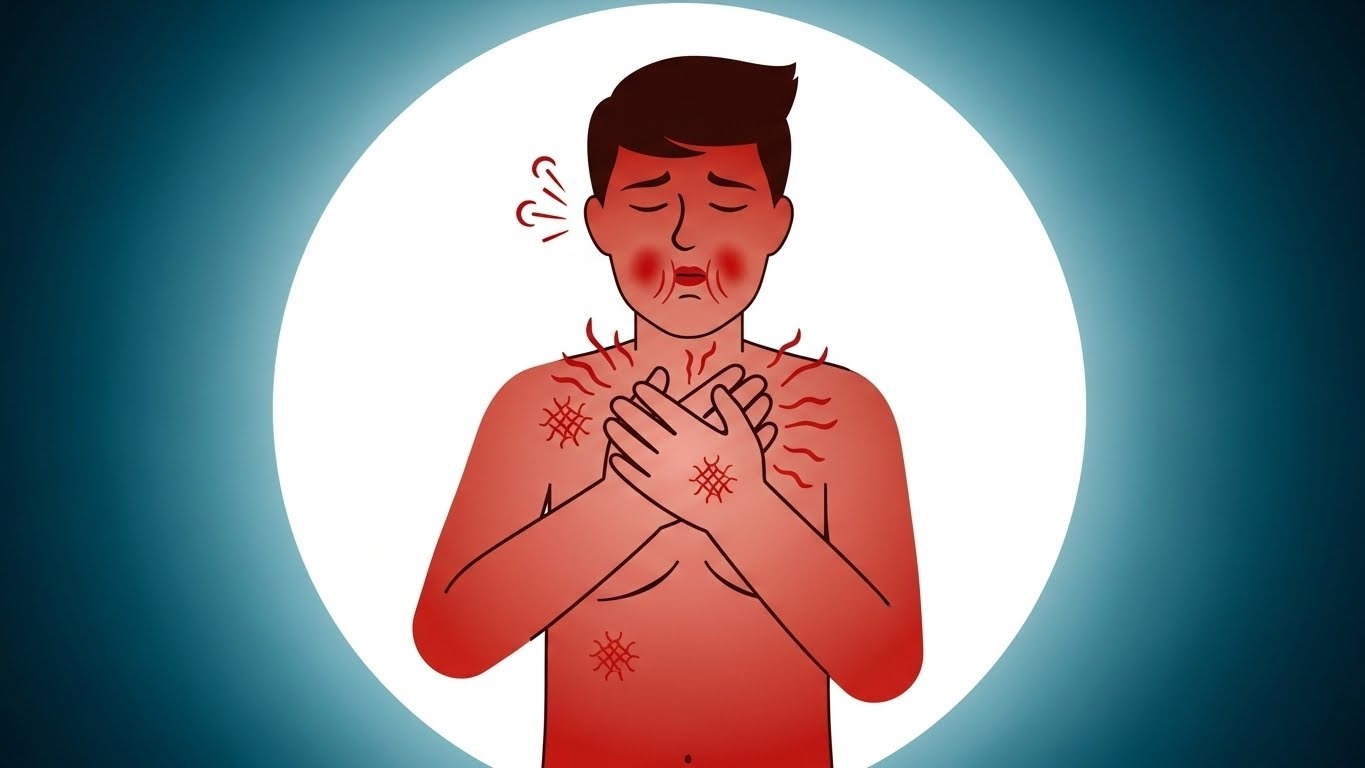
Bee and wasp stings are dangerous when they trigger systemic allergic reactions.
Local pain and swelling are normal. Systemic symptoms are not.
High risk signs include:
- Swelling of lips, tongue, or throat
- Hives spreading beyond the sting
- Dizziness or rapid heartbeat
Anaphylaxis can occur within minutes. According to clinical data, delayed epinephrine use increases fatality risk.
Anyone with known allergies should treat stings as high risk.
How do mosquito bites become high risk?
Mosquito bites become high risk when they transmit viral infections.
Most mosquito bites itch and fade. Some do not.
Red flags include:
- Fever within 3–10 days
- Severe joint or muscle pain
- Unusual rash
Public health case studies show that early symptoms are often mistaken for flu, delaying diagnosis.
Travel history and outbreak regions increase risk.
How does location of the bite affect risk?
Bites on the face, neck, hands, and joints carry higher risk due to swelling and infection spread.
Swelling near airways can become life-threatening. Bites near joints can spread infection faster.
Medical reviews show higher complication rates for facial and neck bites.
Location matters as much as appearance.
What symptoms indicate an allergic reaction vs infection?
Allergic reactions appear quickly, while infections develop gradually.
- Allergy: hives, itching, swelling within minutes
- Infection: redness, warmth, pain over 24–72 hours
Both can coexist. Either requires attention if symptoms escalate.
When should you seek medical attention?
Seek medical help immediately for breathing difficulty, severe swelling, fever, or rapidly worsening pain.
Do not wait if symptoms progress. Early treatment reduces complications.
Conclusion: Why early identification matters
Most insect bites are harmless. Some are not. The difference is early identification.
Understanding how to identify insect bites helps you recognize when a situation is escalating. High risk insect bites rarely improve on their own. They change fast.
Data from emergency medicine shows one pattern repeatedly. Early action leads to faster recovery. Delay increases risk.
Your next step: Share this guide with your family. Bookmark it. Use it as a reference. If a bite does not behave normally, trust the signs and seek help.
CTA: Want more safety-focused health guides? Subscribe to our updates and stay informed.
Frequently Asked Questions
How long should an insect bite last?
Most harmless bites improve within 24–48 hours. Worsening symptoms suggest higher risk.
Can a painless bite be dangerous?
Yes. Tick bites are often painless but can transmit disease.
What does an infected insect bite look like?
Signs include increasing redness, warmth, pus, and pain over several days.
Are children more at risk from insect bites?
Yes. Children can develop stronger reactions and may not describe symptoms clearly.
Should all spider bites be checked by a doctor?
No. Only bites that worsen, blister, or cause systemic symptoms need evaluation.
Can scratching make a bite high risk?
Yes. Scratching increases infection risk by breaking the skin barrier.
Related Topics: Why Choose a Professional Commercial Roofing Contractor
Related Topics: MARCATO Electric Pasta Machine Review: Italian Chrome Steel And Versatile Use


Leave a Reply