
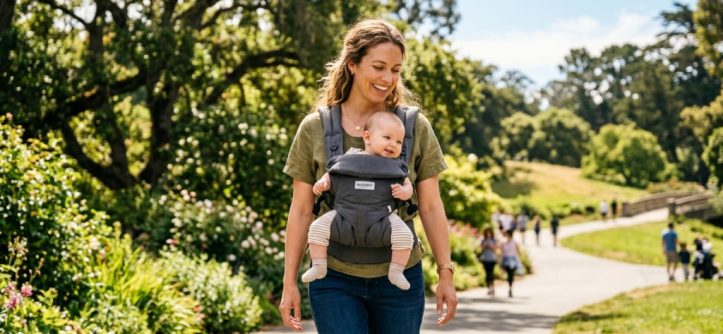
You love your baby, but your back is screaming for mercy. Between the California sunshine, long walks on the beach, and the daily grind of errands, you need a carrier that works for both of you—without blowing your budget. The struggle is real: cheap carriers hurt, and fancy ones cost a fortune. Finding truly affordable ergonomic baby carriers CA requires knowing what to look for and where to look. This guide will help you balance comfort, safety, and cost so you can carry your little one with confidence.
What Makes a Baby Carrier Actually Ergonomic?
An ergonomic baby carrier supports your child’s natural hip development and your body’s posture. It keeps the baby in an M-position (knees higher than the bottom) and supports the spine in a natural C-curve. For you, it distributes weight evenly across your hips and shoulders to prevent strain.
The M-Position Rule
Look for carriers that allow your baby’s thighs to spread apart with knees bent at a 90-degree angle. This position reduces hip dysplasia risk and keeps your child comfortable for longer stretches. Cheap carriers often force the baby’s legs to hang straight down, which is neither safe nor comfortable.
Weight Distribution Features
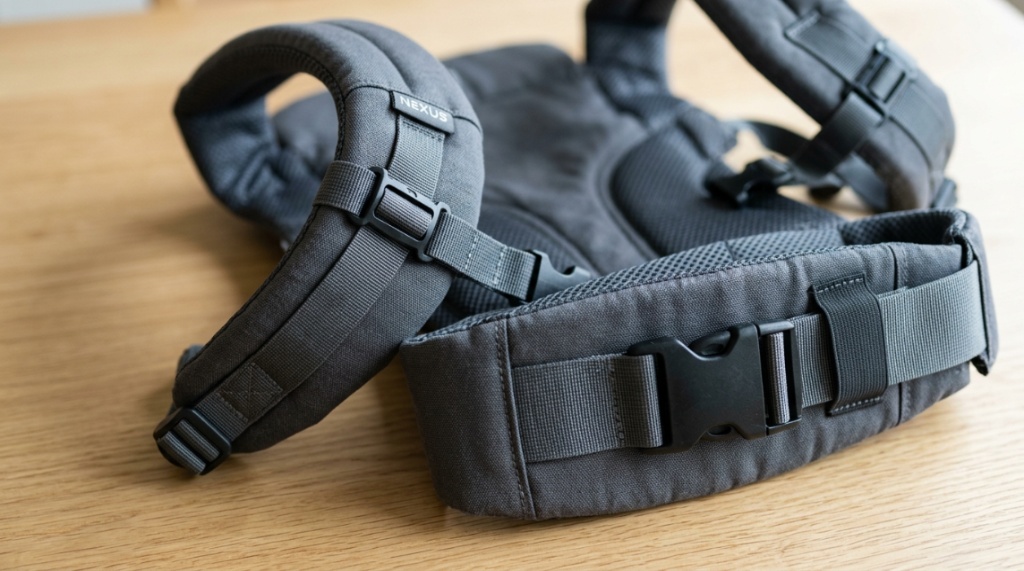
Ergonomic carriers include padded waistbands that rest on your hips rather than your lower back. They also feature wide, padded shoulder straps that prevent digging into your shoulders. A carrier without a sturdy waist belt is not truly ergonomic for extended wear.
Infant Insert vs. Built-In Support
Some carriers require a separate infant insert for newborns, adding to the total cost. Others offer adjustable panels that work from birth without extras. Choose one that grows with your baby to get the most value from your purchase.
Why Do Ergonomic Carriers Cost More Than Basic Slings?
Higher material quality, rigorous safety testing, and thoughtful design drive up prices. But you don’t need to spend $200 to get good support. Understanding the cost breakdown helps you spot real value versus inflated pricing.
Material Quality and Safety Certifications
Ergonomic carriers use stronger fabrics, reinforced stitching, and buckles that meet safety standards like ASTM or JPMA certifications. These tests cost manufacturers money, which reflects in the retail price. Always check for certification labels even on budget carriers.
Design Complexity and Adjustability
Carriers with multiple adjustment points (seat width, strap length, back panel height) cost more to produce but offer a custom fit. Basic slings have zero adjustability, which explains their lower price but also their lower comfort level.
Brand Reputation and Warranty
Established brands often charge a premium for customer support, warranties, and return policies. However, smaller brands and generic options can offer similar ergonomic features at a lower price if you know where to look.
How to Find Affordable Ergonomic Baby Carriers CA Parents Actually Recommend
Start by searching for local buy-sell-trade groups in California cities. Many parents sell barely used carriers after their child outgrows them. Also, check online marketplaces that specialize in baby gear resale.
Shop Secondhand with Confidence
Facebook Marketplace, OfferUp, and local parenting groups are goldmines. Look for carriers that are less than three years old and have no signs of fraying or broken buckles. Ask the seller for the original purchase date and whether they cleaned it properly. You can often find a $150 carrier for $40 in excellent condition.
Compare Mid-Range Brands to Premium Options
Brands like Infantino, Ergobaby’s Adapt, and Beco offer models under $100 that pass ergonomic standards. Compare their weight limits, adjustability, and included accessories. Premium brands like Tula or WildBird may offer nicer fabrics but not necessarily better ergonomics for your specific body type. For more tips on sustainable parenting gear and community events, check out our guide on Fun and Eco-Friendly Clothing Swap Party Ideas.
Look for California-Based Retailers with Sales
Local baby boutiques in Los Angeles, San Francisco, and San Diego often run seasonal sales or clearance events. Sign up for newsletters to get first access. Big box retailers like Target and Walmart also carry ergonomic options at competitive prices, especially during holiday sales.
Which Carrier Style Is Best for Hot California Weather?
California’s heat and sun demand breathable fabrics. Mesh or cotton carriers allow airflow, while polyester blends trap heat. Choose a carrier with a high UPF rating if you plan to spend time outdoors.
Linen and Cotton Blends
Linen is naturally breathable and moisture-wicking, making it ideal for summer. Cotton blends are also comfortable but may retain heat. Avoid carriers with heavy padding or synthetic liners if you live in inland areas like Sacramento or Palm Springs.
Mesh Panel Carriers
Some carriers incorporate mesh panels on the back and sides to increase airflow. These are excellent for hiking or walking in the heat. However, mesh may reduce sun protection, so pair with a sun hat and baby-safe sunscreen.
Water-Friendly Options
For beach days or pool visits, look for carriers made from quick-dry materials like neoprene. These are less common among budget carriers but can be found secondhand. Always rinse saltwater or chlorine out thoroughly to prevent fabric damage.
Can You Use a Carrier for Newborns Without an Expensive Insert?
Yes. Many affordable ergonomic carriers now feature adjustable seat widths and heights that accommodate newborns without extra purchases. This saves you $20 to $40 and simplifies your setup.
Carriers with Built-In Newborn Mode
The BabyBjörn Baby Carrier One and Ergobaby Adapt both allow you to adjust the seat width without an insert. These models often sell for under $100 on sale or used. Check the manual for specific weight and height requirements to ensure proper fit.
DIY Alternatives to Inserts
Some budget carriers allow you to roll a small towel or blanket to place under your newborn’s bottom to achieve the right hip positioning. This is not ideal for long-term use but can work for short trips until your baby grows into the carrier.
Weight Minimums to Consider
Most carriers require a minimum weight of 7 to 8 pounds. Premature or low-birth-weight babies may need a specialized infant carrier. Always consult your pediatrician before using any carrier with a newborn.
What Features Do You Really Need vs. Nice-to-Have?
Focus on fit, safety, and adjustability first. Extras like hoods, teething pads, and storage pockets are convenient but not essential. A simple carrier that fits well beats a loaded one that doesn’t.
Essential Features Checklist
- Wide, padded waist belt that sits on hips
- Adjustable seat width for growing babies
- Crossable or convertible shoulder straps
- Easy-to-use buckles (one-hand operation is a plus)
- Machine-washable fabric
- ASTM or JPMA safety certification
- Weight capacity of at least 30 pounds
Nice-to-Have Features
- Detachable hood for sun or nap support
- Teething pads or drool guards
- Storage pouch for phone and keys
- Lumbar support cushion
- Waterproof or water-resistant fabric
What to Skip on a Tight Budget
Skip carriers with complicated strap configurations that require mirrors to adjust. Also skip carriers with heavy wool or organic cotton unless you specifically need those materials for allergies. Focus on a clean, simple design that fits your body.
How to Test a Carrier Before Buying in California
California has several babywearing groups and rental services that let you try carriers before committing. This is especially useful if you buy secondhand and want to confirm fit.
Attend a Babywearing Meetup
Check Facebook or Meetup.com for local babywearing groups in cities like San Diego, Los Angeles, or Oakland. These groups often have lending libraries where you can borrow carriers for a small fee or free. Experienced volunteers can help you adjust the fit.
Visit a Baby Store with a Try-On Policy
Stores like Buy Buy Baby (where still open) or local boutiques often have floor models you can try. Bring a weighted doll or a willing friend to simulate your baby’s weight. Walk around the store for at least ten minutes to assess comfort.
Ask About Return Policies
When buying online, check the return window and any restocking fees. Some sellers offer “try before you buy” programs where you pay a small fee to test a carrier for a week. This helps you avoid buying a carrier that feels wrong after a few wears.
How to Clean and Maintain Your Budget Carrier for Long Life
A well-maintained carrier lasts through multiple children. Regular cleaning prevents fabric breakdown and keeps buckles working smoothly.
Follow the Washing Instructions Exactly
Most carriers are machine-washable on a gentle cycle with cold water. Always remove any buckles or frames first if possible. Use a mild detergent and skip fabric softener, which can damage elastic and reduce moisture-wicking ability.
Air Dry Whenever Possible
High heat can shrink fabrics and weaken buckles. Air dry your carrier on a drying rack or clothesline. If you must use a dryer, use the lowest heat setting and remove it while still slightly damp to prevent over-drying.
Check for Wear and Tear Monthly
Inspect buckles for cracks, fabric for fraying, and seams for loose threads. A dirty buckle can jam, so clean around buckles with a damp toothbrush. Replace worn carriers immediately to avoid safety risks.
Where to Buy Affordable Ergonomic Baby Carriers CA-Wide with Confidence
You can find good deals online and locally. Prioritize trusted sellers with clear return policies and accurate product descriptions.
Online Marketplaces
eBay, Mercari, and Poshmark have large selections of used carriers. Filter by condition (like new or gently used) and read seller reviews carefully. Avoid listings with stock photos or vague descriptions.
Local Baby Gear Consignment Stores
California has many consignment shops like Once Upon a Child or local mom-run stores. These shops inspect items before selling them, giving you extra peace of mind. Prices are often 40-60% below retail.
Direct from Budget-Friendly Brands
Some brands sell directly through their websites with occasional coupon codes. Sign up for email lists to get 10-20% off your first order. Subscribe and save options can reduce costs for gift sets with accessories.
Frequently Asked Questions
How much should I spend on an ergonomic baby carrier?
You can find a safe, ergonomic carrier for $40 to $80 if you buy secondhand or during sales. New budget-friendly models from reputable brands often cost $60 to $100. You don’t need to spend over $150 to get proper support.
Can I use a carrier if I have back pain?
Yes, but choose a carrier with a strong waist belt and wide shoulder straps. Look for carriers with lumbar support or crossable straps. Always start with short wearing sessions and listen to your body. Consult a physical therapist if you have chronic issues.
Are wrap carriers ergonomic for babies?
Stretchy wraps are not recommended for extended wear because they lack structured support. Woven wraps can be ergonomic if tied correctly, but they have a steep learning curve. For affordability and ease, a structured bucket-seat carrier is usually a better choice for beginners.
How do I know if my baby is correctly positioned?
Your baby’s knees should be level with or higher than their bottom, creating an M-shape. The spine should show a natural C-curve. The carrier fabric should not press against the baby’s chin. If you can see your baby’s face at all times and place two fingers under their chin, the position is likely correct.
What is the best carrier for hiking in California?
Look for a carrier with a sturdy frame, plenty of padding, and sun protection. The Osprey Poco series is popular but expensive. For budget hikers, the Kelty Journey or a secondhand Deuter can offer good ergonomics at lower prices. Always test the weight distribution before hitting the trail.
Can I breastfeed while wearing my baby?
Yes, but it requires practice. Choose a carrier with adjustable straps so you can lower the panel slightly. Many budget carriers with wide seats allow you to slide the baby to one side for nursing. Always support your baby’s head during feeding sessions.
How long can my baby stay in a carrier per day?
The American Academy of Pediatrics recommends limiting sessions to two hours at a time for newborns. Older babies can stay longer, but take breaks every 60-90 minutes to let your baby stretch and move. Listen to your baby’s cues for discomfort or fussiness.
Your Perfect Carrier Is Closer Than You Think
Finding an affordable ergonomic baby carrier in California is absolutely possible. Start by understanding the key ergonomic features that protect your baby’s hips and your back. Shop secondhand or during sales, focus on essential features, and always test the fit before committing. A good carrier doesn’t have to cost a fortune—it just needs to fit your body and your lifestyle. Check local meetups, consignment shops, and trusted online marketplaces. Your baby will be comfortable, and your wallet will thank you. Now, get out there and find the carrier that lets you explore California with your little one in comfort.


Leave a Reply