

Surfing is hard on your ears. Between the constant water pressure, wind, and the inevitable wipeouts, your ear canals take a beating. If you’ve dealt with surfer’s ear, swimmer’s ear, or just that annoying trapped-water feeling after a session, you know the frustration. Buying disposable ear plugs every few weeks feels like throwing cash into the ocean. The smarter move is switching to reusable surf ear plugs, which protect your hearing and your wallet over time. But not all reusable options are created equal. This guide breaks down exactly what to look for, what to avoid, and how to choose a pair that lasts without breaking the bank.
Why Reusable Surf Ear Plugs Are the Smarter Investment
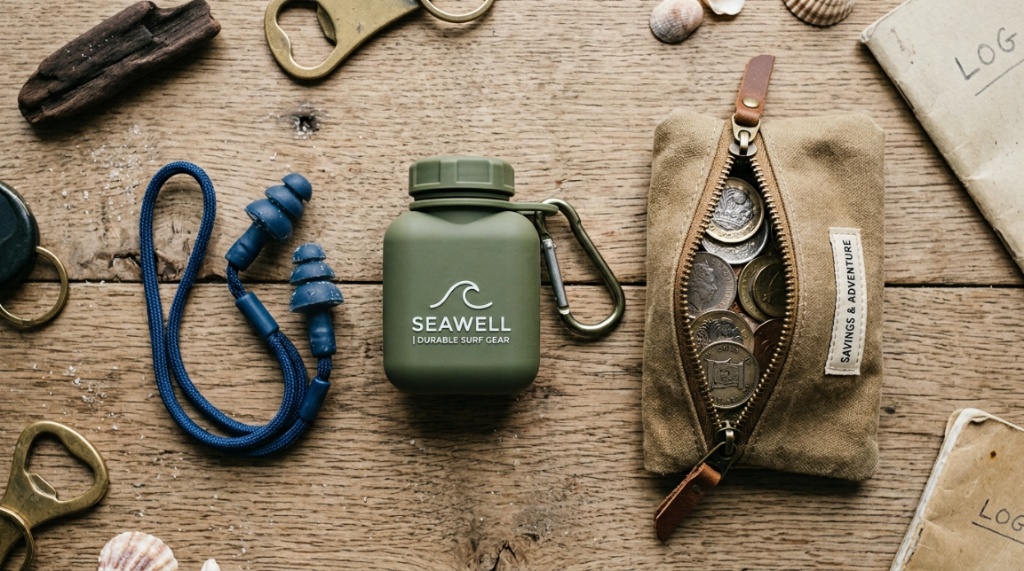
The upfront cost of a quality pair of reusable surf ear plugs is higher than a box of disposables. However, the long-term savings are significant. A single pair of high-quality reusable plugs can last anywhere from six months to several years, depending on the material and how well you maintain them. Disposable wax or foam plugs, by contrast, lose their seal quickly, absorb water, and need replacing after just a few uses. Over a year of surfing three times a week, the cost of disposables easily surpasses the price of one durable reusable pair.
Beyond the financial angle, reusable plugs offer a more consistent fit. Silicone and custom-moldable materials maintain their shape and sealing properties far better than wax, which softens in warm water, or foam, which compresses. You also reduce plastic waste, which matters if you spend your free time trying to keep the ocean clean.
What to Look For in a Durable Pair
Not every ear plug labeled “reusable” is worth your money. Some cheap silicone plugs tear within weeks, while others create pressure points that make long sessions uncomfortable. To find a pair that actually saves you money, focus on these four factors.
Material Quality and Flexibility
Medical-grade silicone is the gold standard. It’s flexible enough to conform to the unique shape of your ear canal, but firm enough to hold a seal under wave impact. Avoid plugs made from hard acrylic or brittle plastic, as they cause pain and often leak. Look for a soft-touch silicone that you can bend and twist without it losing its shape. If a plug feels stiff out of the package, it will feel worse after an hour in cold water.
Seal Integrity and Waterproofing
The entire point of an ear plug is to keep water out. A good reusable plug creates a multi-point seal. This means it doesn’t just block the opening of the ear; it expands slightly inside the canal to create a watertight barrier. Check the design for ridges or flanges. These aren’t just for show—they help lock the plug in place during duck dives and wipeouts. If the plug has a smooth, slick surface with no texture, it will likely pop out under pressure.
Retention System (The Leash)
This is where many surfers make a costly mistake. If you buy a reusable plug without a connecting leash, you will lose it. It’s not a matter of if, but when. A wave will hit your head, the plug will dislodge, and it will vanish into the foam. Always choose a pair with a sturdy, flexible cord that connects both plugs. This allows you to wear them around your neck when you’re paddling out or chatting in the lineup. More importantly, if one plug falls out, it dangles on the leash instead of sinking to the bottom.
Ease of Cleaning
Reusable plugs only save you money if they last. Proper hygiene is non-negotiable. Look for plugs that are completely waterproof and easy to rinse. Avoid models with deep crevices or fabric covers that trap bacteria and salt. A simple rinse with fresh water and an occasional soak in a mild antiseptic solution should be enough to keep them clean. If the plug has a complex internal structure, it will eventually harbor buildup, forcing you to replace it prematurely. If your board takes a beating while chasing waves, make sure to read our guide on how to Pick the Right Surfboard Repair Resin before your next session.
Comparing Reusable Options: Moldable vs. Pre-Molded
When you start shopping, you’ll notice two main categories: pre-molded silicone plugs and moldable putty-style plugs. Both are reusable, but they serve different needs.
| Feature | Pre-Molded Silicone | Moldable Putty (Silicone) |
|---|---|---|
| Fit | Universal fit with flanges | Custom fit to your ear shape |
| Lifespan | 6–12 months with care | 2–4 months (hardens over time) |
| Ease of Use | Insert and go | Requires molding time before use |
| Pressure Relief | Good, but can create pressure points | Excellent—molds to unique contours |
| Cost | Higher upfront | Lower upfront, but replace more often |
| Best For | Surfers with standard ear shapes | Surfers with sensitive ears or odd shapes |
Pre-molded plugs are generally the better long-term value for most surfers. They hold their shape, provide consistent pressure, and last much longer. Moldable putty is great if you have a unique ear canal shape that standard flanges can’t seal, but you will replace them more frequently, which eats into your savings.
Common Mistakes That Cost You Money
Even the best reusable surf ear plugs will fail if you misuse them. Here are the most common errors surfers make that lead to premature replacement or injury.
Buying the Wrong Size
Most pre-molded plugs come in small, medium, and large. Guessing your size is a gamble. If the plug is too small, it won’t seal, and you’ll get water in your ear. If it’s too large, it will cause pain and potentially damage your ear canal over time. Take the time to measure your ear canal opening or try a multi-size pack first to find your fit.
Ignoring the “Cold Water” Factor
Silicone hardens slightly in cold water. A plug that fits perfectly in your living room might feel tight and uncomfortable in 55-degree ocean water. If you surf in cold climates, consider a slightly smaller size or a softer durometer (hardness) silicone. This prevents the “ice cream headache” feeling and ensures the plug doesn’t put excessive pressure on your ear drum.
Not Replacing Worn Plugs
Reusable doesn’t mean eternal. Silicone degrades with UV exposure, saltwater, and sunscreen contact. Check your plugs monthly for cracks, stiffness, or loss of elasticity. If the flanges start to stick together or the material feels rough, it’s time to replace them. Using a degraded plug not only leaks but can also break apart inside your ear canal—a painful and expensive trip to the doctor.
How to Extend the Lifespan of Your Plugs
To get the most value from your purchase, follow a simple maintenance routine. This takes less than two minutes after every surf session.
- Rinse immediately: Use fresh water to rinse off salt, sand, and sunscreen. Salt crystals are abrasive and will wear down the silicone over time.
- Dry completely: Pat them dry with a towel and let them air out. Storing wet plugs in a sealed case promotes bacterial growth and degrades the material faster.
- Store away from sunlight: UV rays break down silicone. Keep them in a dark, cool pouch or the case they came with.
- Avoid chemical contact: Don’t let them sit on a hot car dashboard or come into contact with strong solvents. This includes some sunscreens—apply sunscreen and let it dry before inserting your plugs.
When to Spend More vs. When to Save
There is a price range for reusable ear plugs, typically from $15 to over $60. The difference isn’t just branding. Here’s how to decide where your money goes.
Spend more if: You surf frequently (more than twice a week), you have a history of ear infections, or you surf in cold water. In these cases, a premium plug with a softer material and a better leash system is worth the investment. The comfort and durability will pay off quickly.
Save money if: You are a casual surfer who only goes out a few times a month, or you are just testing whether you can tolerate wearing plugs. In this case, a mid-range silicone plug is fine. You don’t need the top-tier model, but avoid the absolute cheapest options, as they often use inferior materials that crack within weeks.
Frequently Asked Questions
How long do reusable surf ear plugs actually last?
With proper care, high-quality silicone plugs last between 6 and 12 months. Moldable putty versions last 2 to 4 months. If you notice hardening, cracking, or a loss of seal, replace them immediately.
Can I use the same ear plugs for swimming and surfing?
Yes, most reusable silicone plugs work for both. However, surfing-specific plugs often have a lower profile so they don’t interfere with wetsuit hoods. Swimming plugs may be bulkier and get knocked out by waves.
Will ear plugs stop me from getting surfer’s ear?
Yes, they are the primary prevention method. Surfer’s ear is caused by cold water and wind stimulating bone growth in the ear canal. A tight seal prevents water from entering and flushing out the natural ear wax, which protects the canal.
How tight should the ear plugs fit?
They should feel snug but not painful. You should be able to wear them for a 2-hour session without feeling pressure. If you feel a “suction” sensation when removing them, they are too large.
Can I cut or trim my ear plugs to fit better?
You can trim the outer flange on some models, but you should never cut the core stem that inserts into the canal. Trimming the stem will ruin the seal and could allow the plug to slip too deep. If they don’t fit, buy a smaller size.
Conclusion
Finding reusable surf ear plugs that save you money isn’t about buying the cheapest pair on the shelf. It’s about understanding the material, the fit, and the maintenance required to make them last. Prioritize medical-grade silicone, a secure leash, and a design that fits your specific ear shape. Avoid the trap of buying disposable plugs repeatedly, and avoid the opposite extreme of overpaying for features you don’t need. By focusing on durability and a proper seal, you protect your hearing, reduce waste, and keep more money in your pocket for the things that matter—like surf wax and gas money to the beach.



Leave a Reply