
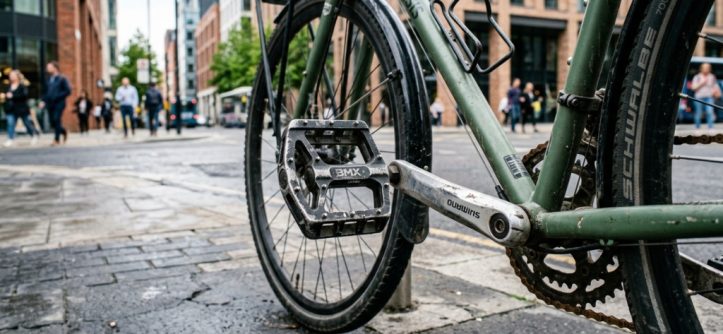
City riding puts your gear through a specific kind of hell. Between stop-and-go traffic, curbs, potholes, and the occasional lock-up against a metal bike rack, your pedals take more punishment in a month than they might in a year of park riding. If you’ve ever snapped a cheap plastic platform or stripped a pedal thread mid-commute, you know the frustration. The challenge is finding durable BMX pedals city riding demands without overpaying for race-specific weight savings or park-focused features you don’t need. This guide breaks down exactly what makes a pedal survive urban abuse, what to look for, and common mistakes riders make when choosing.
Key Takeaways
- Material matters more than brand: Chromoly axles and nylon-composite or aluminum bodies offer the best balance of durability and weight for city use.
- Sealed bearings are non-negotiable for wet streets and dusty conditions—loose ball bearings fail quickly in urban environments.
- Pedal size and pin length affect both comfort and grip, so choosing based on your shoe type and riding style is essential.
- A warranty and rebuildable design can save you money long-term, as even the best pedals eventually wear out.
- Don’t overbuy: Gravity and park-specific pedals often have aggressive pins that tear up street shoes, while lighter XC pedals may not survive urban impacts.
What Makes a BMX Pedal Durable for City Riding?
Durability in a city context isn’t just about not breaking. It’s about resisting gradual wear, maintaining grip, and surviving repeated impacts without failing. A pedal that lasts two years of daily commuting is more durable than one that technically survives but becomes loose, squeaky, or slippery after three months.
Three main components determine overall durability:
- The axle: This is the most critical stress point. Chromoly steel (often 4130) is the industry standard for strength. Avoid pedals with hollow axles or those made from lower-grade steel unless you’re very light and ride gingerly.
- The bearing system: Sealed cartridge bearings keep out water, grit, and road salt. Unsealed loose-ball bearings are a ticking clock in urban environments.
- The body material: For city abuse, you have two solid choices: nylon composite or aluminum (6061-T6 is common). Both handle impacts well, though aluminum is more resistant to cracking over years of use while nylon is lighter and more forgiving on shins,Before upgrading your setup, make sure your overall drivetrain is in top shape by learning How To Maintain a Hybrid Bike for daily urban commuting.
Axle and Bearing Considerations
When you’re riding in the city, the pedal axle takes immense lateral loads, especially when you lean into turns or skid to stop. A 9/16-inch chromoly axle is the benchmark for adult BMX pedals. Some cheaper pedals use a 1/2-inch axle designed for children’s bikes—skip those entirely.
Bearings are where manufacturers cut corners. Look for pedals that explicitly state they use sealed cartridge bearings or sealed industrial bearings. These are pressed into the pedal body and protect the internal balls from contamination. If the product description mentions “loose ball” bearings, walk away unless you enjoy replacing pedals annually.
How to Choose the Right Pedal Material
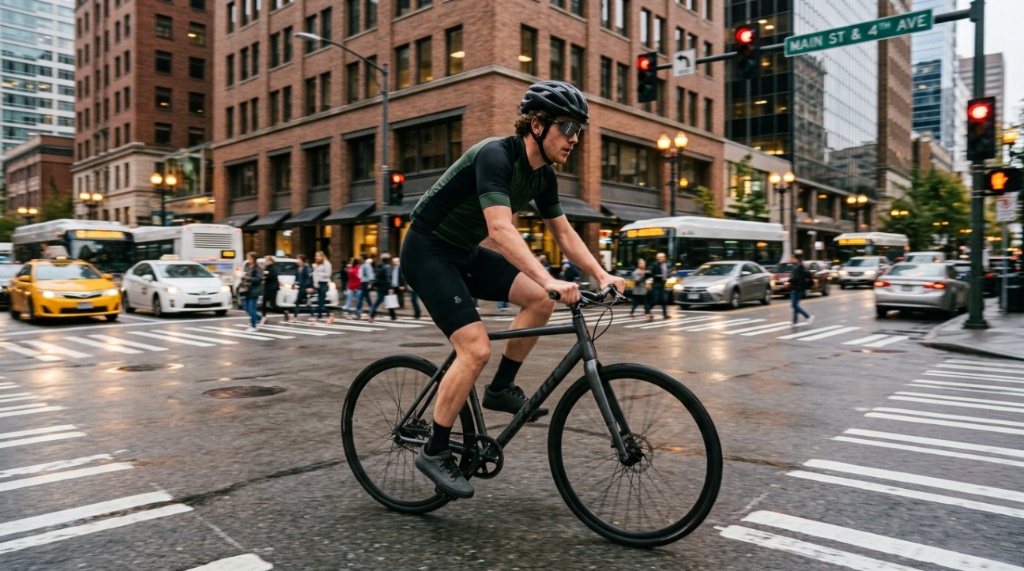
Selecting the right material is a trade-off between weight, grip, impact resistance, and price. For city riding, you generally don’t need the absolute lightest pedal, but you also don’t want boat anchors that add fatigue to every stop-and-go ride.
Aluminum Pedals: The Long-Term Choice
Aluminum bodies, typically made from 6061-T6 alloy, offer excellent durability. They resist cracking and won’t deform under heavy loads. Aluminium pedals tend to stay grippier over time because the pins are usually replaceable or integrated into the body as machined metal points. Over several years, an aluminum pedal will look beat up but function essentially the same as new. The main drawbacks are higher cost and more weight compared to nylon. They’re also colder in winter and can be brutally painful if they whack your shin.
Nylon Composite Pedals: The Practical Value
Nylon composite pedals (often glass-filled nylon) are the best-selling pedals in the world for good reason. They’re inexpensive, surprisingly strong, and lightweight. Modern composite materials handle impacts well—they tend to flex and absorb shock rather than crack. The primary issue with nylon is that the molded pins are part of the body. When they wear down after a year or two of abrasive shoe contact, grip is reduced, and you typically need to replace the entire pedal. Still, because they’re cheap, this is often acceptable.
There’s a common misconception that all plastic pedals are weak. A good-quality nylon pedal is more than adequate for daily city riding for riders under 200 pounds. If you’re heavier, ride aggressively, or want something truly permanent-feeling, aluminum is the safer bet.
Grip Performance: Pins, Platforms, and Shoe Compatibility
Durability isn’t just about how the pedal survives—it’s about whether the grip lasts. A slippery pedal that forces you to reposition your foot constantly creates an unsafe riding situation, especially in heavy traffic.
Most BMX pedals use metal pins (often hex pins like M3 or M4 bolts) that screw into the pedal body. These are excellent for grip. The trade-off is that they absolutely destroy soft-soled shoes and can shred leather. Rubber-soled skate shoes grip well while protecting your feet from pin pressure.
For city riding, you also want a pedal that offers a stable platform. A larger platform (around 100mm x 100mm or bigger) provides more real estate for your foot, which is useful when you’re constantly starting and stopping. If you ride in normal shoes rather than dedicated cycling footwear, look for pedals with a reasonably flat surface and slightly shorter pins (around 2-3mm) to avoid excessive shoe damage.
Common Mistakes When Buying City BMX Pedals
The most common error riders make is buying pedals based on what looks aggressive or cool rather than what suits the environment. Here are several pitfalls to avoid:
- Buying downhill-specific pedals: These are built for extreme impact at speed. They’re typically very wide, extremely pin-heavy, and expensive. For city riding at moderate speeds, they offer no real advantage and increase weight.
- Ignoring pedal thickness: Thick pedals (over 17mm) can feel awkward and increase the standover height, which is rarely noticeable on a bike but affects foot-to-pedal distance and cornering clearance.
- Skipping the spindle length check: Some pedals come with longer spindles for wide cranks. If your crank arms are standard width, an overly long spindle can cause your foot to sit further out, creating an awkward pedaling position.
- Not considering bearing rebuildability: All bearings wear out. Some pedals allow you to replace the bearing cartridge without replacing the entire pedal body. This is a significant cost saver over time.
There is also the temptation to buy the absolute cheapest options. While you don’t need to spend $150 on a pair of pedals, a $15 set is almost always a waste of money because they fail quickly and often use weak axles. A reasonable budget of $40–$80 for a solid set of city pedals is the sweet spot for value and durability.
Recommended Approach: Matching Pedals to Your Riding Style
To narrow down your options, consider your specific urban riding behavior. The best pedal for you depends on how you ride, not on generic popularity.
Daily Commuter
If you ride to work every day, rain or shine, you need reliability with minimal maintenance. A sealed-bearing nylon composite pedal is often ideal. It’s light enough to ignore, cheap enough to replace if stolen, and strong enough for daily use. Choose models with moderate pins to preserve your work shoes. Aluminum pedals are a great upgrade if you plan on keeping the bike for many years and want to avoid replacing pedals every couple of seasons.
Street and Freestyle Rider
If you use the city as your obstacle course—hopping curbs, riding grinds, and incorporating tricks—you need a full-sized metal pedal. Aggressive aluminum pedals with 3mm+ pins provide the grip needed to keep your feet planted during impact. A larger platform significantly helps with stability during tricks. Expect to replace the pins periodically if they get ground down.
Heavy Riders
Riders over 220 pounds put a surprising amount of stress on pedals. Even high-quality nylon pedals can show flex or crack over time. A stiff aluminum pedal with a chromoly axle and at least dual-sealed bearings is the safest bet. Look for explicitly stated weight limits or rider weight recommendations from the manufacturer.
When you start comparing models, it pays to check reviews from riders who actually ride in your environment. There are several solid collections available online that show which pedals hold up best locally, including guides to durable BMX pedals city riding. These resources help clarify which products have proven track records in harsh urban conditions.
Maintenance Tips to Extend Pedal Life
Even the most durable pedal needs a little help. Basic maintenance drastically extends the life of any pedal, whether it costs $30 or $100.
- Clean regularly: Grit and salt build up on the bearing seals. Wipe your pedals down with a damp cloth every couple of weeks, especially in winter.
- Check pin tightness: Pins can vibrate loose. A quick check every few rides with an Allen key prevents lost pins and reduced grip.
- Lubricate threads: Use anti-seize compound or grease on pedal threads before installation. This prevents seizing to the crank arm and makes future removal easy.
- Inspect for play: Grab your pedal and try to move it side-to-side perpendicular to the crank arm. Any play indicates bearing wear. Address it early before the axle gets damaged.
- Do not over-torque: Tighten pedals snugly, but don’t use a breaker bar. Around 300 in-lbs (about 25 ft-lbs) is sufficient. Over-tightening risks stripping crank threads.
When to Replace Your Pedals
You’ll know it’s time for new pedals when any of the following conditions appear:
- The bearing feels rough or crunchy when you spin the pedal with your hand.
- There is visible side-to-side play in the pedal body relative to the crank arm.
- Multiple pins are missing or stripped and cannot be replaced.
- The pedal body has a visible crack or is significantly deformed.
- Grip has become so reduced that you find your foot slipping off during hard pedaling.
Replacing pedals at the first sign of these issues prevents more expensive damage to your cranks and avoids a potentially dangerous slip on a wet street.
Frequently Asked Questions
Are plastic BMX pedals durable enough for daily city riding?
Yes, when made from high-quality nylon composite materials. These pedals are durable enough for daily city use, survive impacts well, and are significantly cheaper than aluminum. However, their molded pins wear down over time, eventually requiring full pedal replacement. They are ideal for commuters and lighter riders.
What is the best size for a city BMX pedal?
For city riding, a platform of roughly 100mm x 100mm (or slightly larger) is a good starting point. This provides enough surface area for stable foot placement without being so large that it interferes with cornering clearance or adds unnecessary weight. Larger platforms (over 110mm in length) are better for riders with large feet or those doing tricks.
How long should a set of BMX pedals last?
A well-maintained aluminum pedal with sealed bearings can last several years, often 3–5 years of daily riding, before needing bearing replacement. A nylon composite pedal typically lasts 1–2 years before grip is significantly reduced or the body starts to fail. Bearings generally wear out before the pedal body itself.
Should I get metal pins or molded pins?
Metal pins are replaceable, provide superior grip, and are better for aggressive riding. Molded pins (found on many composite pedals) are simpler and cheaper but wear out faster, reducing pedal lifespan and grip. For city riding where you might use normal shoes, shorter metal pins are often the best compromise.
Can I use mountain bike pedals on a BMX bike?
Yes, in many cases. Both typically use the 9/16-inch spindle thread, so they are cross-compatible. Many mountain bike pedals are essentially the same design as BMX flat pedals. Just ensure the pedal body isn’t too thick or too wide for your foot and riding style.
Conclusion
Finding durable BMX pedals for city riding ultimately comes down to prioritizing sealed bearings, a strong chromoly axle, and a body material that fits your weight and maintenance preferences. Aluminum pedals offer long-term durability and reliable grip at a higher cost and weight, while nylon composite pedals provide excellent value and practical performance for most commuters. Avoid cheap, poorly-built options with loose ball bearings and hollow axles—they will fail precisely when you need them most. Match the pedal’s size and pin profile to your shoe type and riding style, and perform simple periodic maintenance to maximize lifespan. With the right set of pedals, you’ll have one less thing to worry about on your daily ride.


Leave a Reply