
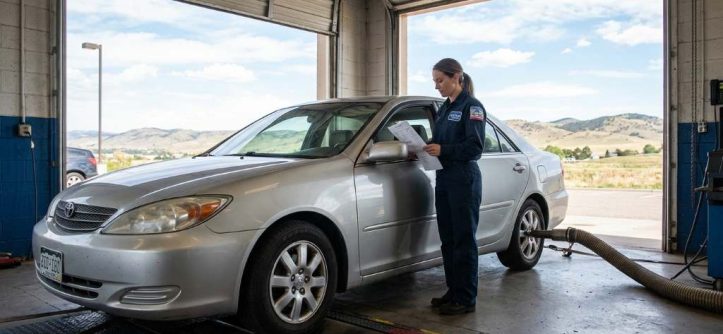
Emissions tests in Denver usually fail because a vehicle exceeds limits or has an emissions system problem. A warning light, faulty gas cap, incomplete readiness monitor, or damaged catalytic converter can trigger failure. Air Care Colorado operates 18 testing locations across the Denver metro and North Front Range areas, making proper preparation worthwhile.
Denver drivers face emissions testing because vehicle pollution contributes to regional air quality concerns. Most gasoline vehicles older than seven years may require testing, depending on registration and local requirements. Even highly efficient commuter cars can fail when an emissions component develops a fault. highly efficient commuter cars still need properly working emissions systems.
The Main Reasons Denver Vehicles Fail Emissions Tests
Denver emissions testing checks more than tailpipe pollution alone. Inspectors can evaluate warning lights, emissions equipment, gas cap performance, visible smoke, and onboard diagnostic information.
Therefore, a vehicle can appear to run normally and still fail inspection. Understanding the common failure points helps you diagnose problems before paying for another test.
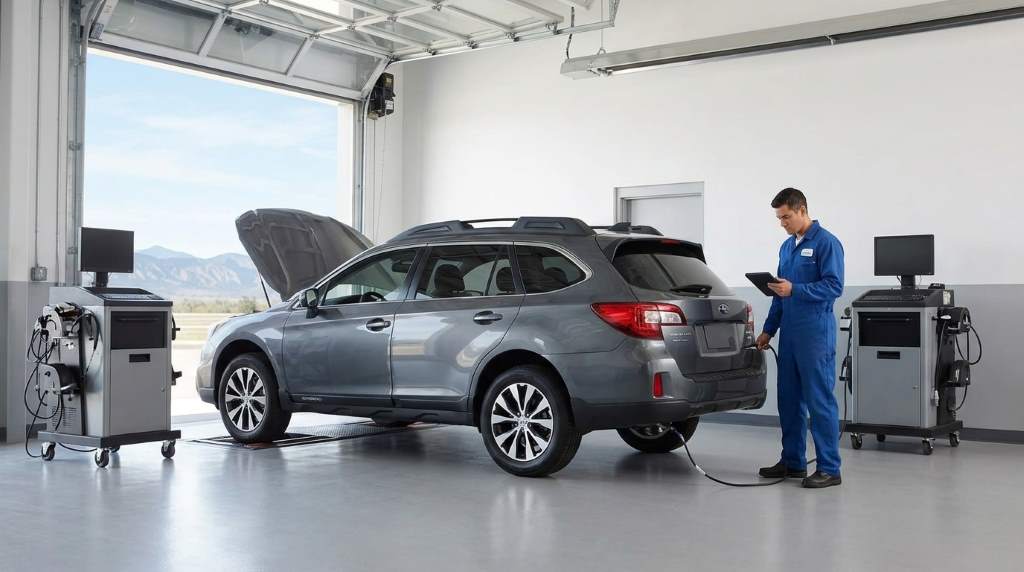
1. An Illuminated Check Engine Light
A lit check engine light remains one of the clearest reasons for emissions inspection failure. The light usually indicates that the onboard diagnostic system detected a fault.
For example, the system may detect problems involving oxygen sensors, fuel control, ignition, or evaporative emissions. Consequently, clearing the code without fixing the underlying fault rarely provides a reliable solution.
Before testing, scan the vehicle for diagnostic trouble codes. Then repair the actual cause instead of simply resetting the warning light.
2. A Faulty or Loose Gas Cap
A gas cap may look insignificant, but it forms part of the vehicle’s evaporative emissions control system. A loose, damaged, missing, or leaking cap can cause an inspection failure.
Fortunately, this problem often costs less to fix than major emissions component failures. Check that the cap clicks or locks correctly after refueling.
If you recently replaced the cap, inspect the seal and filler neck for damage. Colorado requires a full inspection after correcting a gas cap failure.
3. Incomplete OBD Readiness Monitors
Modern vehicles use readiness monitors to check emissions systems automatically. These monitors must complete their self tests before an OBD inspection can properly evaluate the vehicle.
A recent battery replacement or code reset can erase monitor results. As a result, the vehicle may appear fixed while the computer still shows incomplete testing.
Drive normally for several days after repairs before visiting the testing station. Follow your owner’s manual because each manufacturer uses different drive cycle conditions.
Air Care Colorado recommends normal driving after service so the monitors can complete their routines. This simple step can prevent an unnecessary inspection failure.
How Vehicle Repairs Affect Emissions Results
Mechanical problems often explain why a vehicle produces excessive pollutants during testing. A useful home garage tool setup can help with basic checks.
However, emissions diagnosis requires more than checking fluids or replacing obvious parts. A technician should connect a diagnostic scanner and examine stored codes, live data, and system performance.
4. A Weak or Failing Oxygen Sensor
Oxygen sensors measure exhaust oxygen levels and help the engine computer control fuel delivery. When a sensor fails, the engine may run too rich or too lean.
As a result, the vehicle can produce excessive hydrocarbons, carbon monoxide, or nitrogen oxides. A damaged sensor can also trigger the check engine light.
Do not replace an oxygen sensor solely because a scanner displays an oxygen related code. The technician should confirm the sensor fault before installing a new component.
5. A Damaged Catalytic Converter
The catalytic converter reduces harmful pollutants before exhaust gases leave the vehicle. Internal damage, contamination, overheating, or deterioration can reduce its effectiveness.
Therefore, a failing converter can cause high emissions even when the engine runs smoothly. Some vehicles also develop converter efficiency codes that trigger the warning light.
Never assume the converter itself caused the problem. Misfires, fuel problems, and oil consumption can damage a replacement converter if technicians ignore the original cause.
6. Engine Misfires
Misfires allow unburned fuel to enter the exhaust system. That extra fuel can sharply increase emissions and potentially damage the catalytic converter.
Worn spark plugs, weak ignition coils, injector problems, vacuum leaks, and mechanical faults can cause misfires. Fortunately, diagnostic codes often help technicians identify the affected cylinder.
Repair persistent misfires before testing rather than hoping the vehicle passes. A smooth idle does not always mean the engine produces acceptable emissions.
7. Evaporative Emissions Leaks
The evaporative emissions system prevents gasoline vapors from escaping into the atmosphere. Small leaks can trigger diagnostic codes even when the vehicle drives normally.
A loose gas cap provides one common cause, but cracked hoses, damaged valves, and leaking components can create similar symptoms. Technicians may use specialized testing equipment to locate difficult leaks.
Because these faults can remain hidden, avoid replacing random parts. Proper diagnosis usually saves time and prevents unnecessary repair costs.
Denver Testing Conditions That Can Affect Your Vehicle
Denver’s testing process evaluates vehicles under specific conditions based on vehicle age and configuration. Vehicles from eight through eleven model years generally receive an OBD test, while older vehicles can receive dynamometer testing.
For many older vehicles, the I/M 240 test simulates driving conditions on a dynamometer. The test can reveal problems that ordinary idle operation does not show.
8. Problems That Appear Under Load
Some vehicles perform acceptably at idle but produce excessive emissions under acceleration. Weak fuel control, ignition problems, restricted exhaust flow, and failing sensors can appear during load testing.
Consequently, a vehicle that feels fine during short trips can still fail a dynamometer test. A technician should reproduce the problem under appropriate operating conditions.
9. Missing or Altered Emissions Equipment
Colorado inspectors check required emissions components during the inspection. These components can include catalytic converters, oxygen sensors, and air injection equipment.
Removing or modifying original emissions equipment can create an immediate problem. Vehicles must retain required original equipment unless an approved exemption applies.
This issue matters especially for modified vehicles and older performance cars. Restore required emissions equipment before scheduling an inspection.
10. Visible Exhaust Smoke
Visible smoke can cause an emissions inspection failure regardless of other test results. Excessive smoke may indicate oil consumption, coolant entry, or another engine problem.
Blue smoke often points toward oil entering combustion, while persistent white smoke can indicate coolant related problems. Black smoke may suggest excessive fuel delivery.
Because smoke can signal serious engine damage, diagnose it before attempting another emissions test. Colorado does not treat visible smoke as a normal repair issue for every waiver situation.
How to Prepare Before a Denver Emissions Test
Good preparation can reduce avoidable failures and wasted trips. Start by checking your dashboard, maintenance history, fuel system, and diagnostic monitor status.
If you regularly tow or work on vehicles, understanding having your own trailer can also help with vehicle maintenance planning.
Use This Pre Test Checklist
- Check warning lights: Repair any persistent emissions related warning light before testing.
- Inspect the gas cap: Confirm that the cap seals correctly and shows no visible damage.
- Check readiness monitors: Confirm that required monitors show ready status after recent repairs.
- Review diagnostic codes: Scan the vehicle and investigate stored or pending emissions related codes.
- Inspect emissions equipment: Confirm required components remain installed and intact.
- Watch for smoke: Address visible exhaust smoke before visiting the testing station.
- Complete normal driving: Give repaired systems enough time to complete required self tests.
Also, avoid testing immediately after clearing diagnostic codes or disconnecting the battery. The computer may need additional driving before its monitors become ready.
What to Do After an Emissions Test Failure
Do not immediately replace expensive components after receiving a failed inspection. First, read the Vehicle Inspection Report because it identifies the areas that caused the failure.
Air Care Colorado recommends using qualified repair technicians who understand emissions related failures. Its repair program also tracks repair effectiveness for participating facilities.
Start With the Actual Failure Code
Ask the technician to explain the failure in plain language. Then request diagnostic evidence supporting the recommended repair.
For example, an oxygen sensor code does not automatically prove that the sensor failed. A vacuum leak, wiring problem, or fuel issue can sometimes produce related readings.
Repair Before Resetting the Computer
Resetting the diagnostic system can temporarily remove warning lights without correcting the underlying problem. It can also make readiness monitors incomplete again.
Instead, complete the repair first and then drive normally. Once the monitors become ready, schedule the inspection again.
Use Colorado’s Technical Support When Needed
Repeated failures may qualify you for evaluation at a State Emissions Technical Center. These centers can diagnose difficult failures after qualifying repair and reinspection attempts.
This option can prevent repeated guessing and unnecessary parts replacement. Ask about eligibility before scheduling the technical evaluation.
Common Mistakes Denver Drivers Should Avoid
Many emissions failures happen because drivers treat the inspection like a simple appointment. In reality, the vehicle’s emissions systems must operate correctly and communicate with testing equipment.
For example, ignoring a warning light can turn a small sensor problem into a larger repair. Similarly, replacing parts without diagnosis can waste money without improving emissions.
Avoid These Five Mistakes
- Do not clear codes immediately before testing: This can leave monitors incomplete.
- Do not ignore a loose gas cap: Small leaks can cause inspection problems.
- Do not remove emissions equipment: Missing required components can prevent a pass.
- Do not ignore visible smoke: Smoke can indicate an underlying engine problem.
- Do not guess at expensive repairs: Confirm the actual failure before replacing major components.
Additionally, drivers with trailers should understand how vehicle loads affect their vehicles. Knowing trailer weight limits can support safer vehicle operation.
When Should You Retest Your Vehicle?
Retest only after completing the recommended repair and allowing the vehicle’s diagnostic systems to stabilize. Check your inspection paperwork for specific instructions before returning.
If you replaced a battery, cleared codes, or repaired an emissions component, allow the necessary drive cycles. Your owner’s manual can provide manufacturer specific procedures for completing readiness monitors.
Also, plan your visit carefully to reduce waiting time. Air Care Colorado recommends avoiding Mondays, days after holidays, and the final days of each month.
Mid to late afternoons often provide shorter waits than busy periods. Air Care Colorado also provides estimated wait times that update approximately every 20 minutes.
Why Denver’s Emissions Program Matters
Denver’s emissions program exists because vehicle pollution affects regional air quality. Colorado introduced emissions inspections decades ago and continues adjusting the program as vehicle technology changes.
The inspection therefore does more than determine whether your vehicle can pass registration requirements. It helps identify vehicles that release excessive pollutants because of worn, damaged, or malfunctioning systems.
Keeping your vehicle properly maintained can reduce emissions while improving fuel economy and drivability. In many cases, fixing the underlying problem benefits both your vehicle and the surrounding community.
Final Takeaway: Fix the Cause, Not the Test
Denver emissions tests usually fail because the vehicle produces excessive emissions or reports an emissions system problem. Warning lights, gas cap leaks, incomplete monitors, oxygen sensor faults, catalytic converter problems, smoke, and missing equipment remain common causes.
The smartest approach starts with diagnosis rather than guesswork. Check the inspection report, repair the actual fault, complete the necessary drive cycles, and then retest.
If your vehicle fails repeatedly, use qualified emissions repair assistance instead of replacing parts randomly. Taking these steps gives you a better chance of passing while keeping your vehicle reliable and cleaner.
Frequently Asked Questions
Can a check engine light cause an emissions test failure?
Yes, an illuminated emissions related warning light can cause the vehicle to fail its inspection.
Can a bad gas cap make a car fail emissions?
Yes, a missing, damaged, or leaking gas cap can cause an emissions inspection failure.
How long should I drive after clearing codes?
Drive normally until the required readiness monitors complete, because the exact driving cycle varies by vehicle.
Can a catalytic converter cause an emissions failure?
Yes, a failing catalytic converter can reduce emissions control performance and contribute to an inspection failure.
What should I do after failing twice?
After qualifying repair and reinspection attempts, you may be eligible for evaluation at a State Emissions Technical Center.


Leave a Reply