
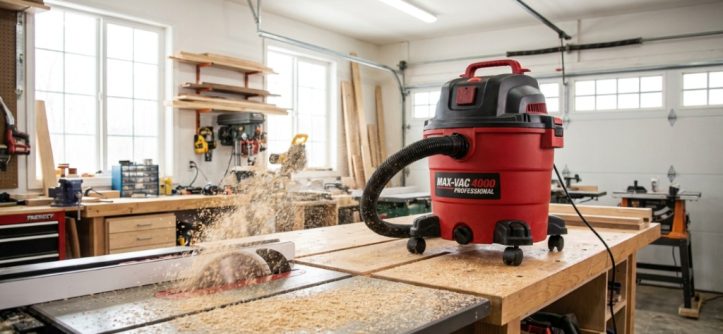
If you spend any time in a garage, you already know the struggle. Sawdust from a weekend project, dirt tracked in from the yard, stray nails, and the occasional puddle of water all create a mess that a regular household vacuum simply cannot handle. A standard upright vacuum gets clogged, overheats, or just fails to pick up debris that settles into every crack and crevice. This is where a garage shop vacuum changes the game. It is a specialized tool engineered to handle the harsh realities of a workspace, not just the living room. This article explores exactly how these machines streamline cleanup, what features matter most, and how to get the most out of them without making common mistakes.
Key Takeaways
- A shop vacuum handles wet and dry messes, large debris, and fine dust that regular household vacuums cannot manage, making it essential for garage maintenance.
- Understanding the difference between horsepower, air watts, and static water lift is critical to choosing a model with enough suction for tasks like sanding or extracting water.
- Choosing the right filter type (cartridge vs. bag) directly impacts how often you need to clean the unit and whether it is safe for fine particles like drywall dust.
- Maintaining the filter, hoses, and seals is essential to prevent clogs, loss of suction, and motor burnout, especially when collecting construction debris.
What Sets a Garage Shop Vacuum Apart from a Standard Vacuum?
The core difference lies in the machinery’s design and purpose. A standard home vacuum is optimized for collecting fine dust and pet hair from carpets and hard floors. Its airflow is typically restricted by the brush roll and the narrow hose. In contrast, a shop vacuum generates much higher static water lift and a larger air volume to move bulky items like wood shavings or gravel. They are constructed from more durable materials, often polypropylene or stainless steel, and feature larger, more flexible hoses.
Another critical distinction is the ability to handle liquids. Standard vacuums are not built to manage water and pose an electrocution hazard if used for wet pickup. Shop vacs, however, use a float mechanism that shuts off airflow automatically when the tank reaches capacity. This allows you to extract spilled coolant from the garage floor or unclog a slow-draining sink without damaging the motor. This dual wet/dry capability alone changes how you approach cleaning because a single tool handles spills and dry dirt efficiently.
Why Suction Power Is More Complex Than “Horsepower”
When evaluating a shop vacuum, the marketing emphasizes peak horsepower. That rating refers to the motor’s maximum output, not the sustained cleaning ability. It is often a misleading figure because motor power does not equal cleaning power. Instead, focus on two metrics: static water lift (measured in inches of H2O) and airflow (measured in CFM or cubic feet per minute).
- Static Water Lift (Sealed Suction): This measures how high the vacuum can pull a column of water. It is a great indicator of the machine’s ability to hold heavy materials like water soaked into a carpet or thick sludge.
- Airflow (CFM): This measures the volume of air moved through the hose. It is crucial for picking up light debris quickly and moving air through the hose to prevent clogging.
- Air Watts: This is a combined rating of lift and airflow. It gives the best estimate of real cleaning efficiency, but it is rarely listed prominently on product labels.
For typical garage tasks, look for a vacuum with at least 60-80 inches of water lift. If you are primarily blowing leaves, sawdust, or planer chips, prioritize CFM for speed. If you regularly pick up nails, screws, or standing water, focus on water lift. Understanding this trade-off prevents you from underspending or overspending on a unit that does not match your workload.
How Wet Pickup Affects the Motor and Filter
Using a shop vacuum for wet pickup involves more than just emptying the tank. You must remove the paper filter bag or cartridge filter designed for dry use. If you leave a fine dust filter in place, moisture will cause the dust to turn into a paste, instantly clogging the filter and restricting airflow. You will need either a dedicated foam sleeve filter for wet applications or to remove the filter entirely if you are picking up large volumes of water without fine debris. Most quality models have a sliding valve or a gap in the cartridge that routes air around the filter when you remove it. Pay attention to this step, as forgetting it is the most common cause of sucked-in dust ending up all over the garage and ruining the motor’s fan. For businesses needing heavy-duty cleanup solutions, choosing the right equipment is essential, especially when searching for a reliable budget vacuum that lasts for texas business.
Filter Selection: Cartridge vs. Bag vs. Cyclonic Action
The filter type determines how much maintenance you will perform and how safe the unit is for your respiratory health. There are three primary setups in modern garage shop vacuums:
Cartridge filters are the most common. They are pleated cylinders usually made of spun polyester. They provide a balance between filtration and airflow. When the filter starts to clog, you simply tap it or clean it with compressed air. However, the filter media eventually fills with micro-fine dust that cannot be removed, so they need periodic replacement. They are highly convenient but require regular attention to maintain peak suction.
Filter bags collect debris in a disposable paper or synthetic bag. While they cost more over time, they are the best option for allergies. Debris remains sealed inside the bag, so the motor and exhaust air stay clean. They also allow the filter to clog less quickly because the “filter” itself is the bag, allowing the motor’s exhaust to stay clean. If you are constantly sanding drywall or sawing MDF, using bags inside the vacuum tank drastically improves clean-up time and prevents the internal filter from glazing with fine dust.
Cyclonic separation is a feature found on higher-end models. This creates a cyclone inside the tank that separates heavy debris and air before it reaches the flat filter. This largely prevents the filter from clogging, so suction stays consistent for longer periods. The main trade-off is that cyclonic units are louder and more expensive. You will empty the container more often, but you will rarely clean the filter itself. If you value convenience and have a large workshop, this is a major factor in making cleaning easier.
Practical Ways a Shop Vacuum Simplifies Garage Cleanup
Beyond the technical specs, is the actual improvement in daily workflow. The ability to finish a project and clean up in one continuous operation is the main benefit. Consider these common scenarios to understand the practical impact.
Managing Sawdust and Power Tool Debris
Dust collectors handle the primary output of a table saw or planer, but they never catch everything. A shop vacuum becomes the secondary cleanup tool. Instead of brushing piles onto the floor and sweeping them into a dustpan, you can attach a wide floor nozzle to the main hose. This speeds up the process dramatically. Many models include a blower port, which can push large piles of leaves or grass clippings out of a garage bay door and into the yard. This function alone turns a messy job into a five-minute task, making it easier to maintain a tidy workspace without a dedicated push broom or air compressor.
Handling Liquids and Sludge
When a water heater leaks or a car battery spills acid (which requires special neutralization), a shop vacuum is the most direct way to extract fluids. But it is also useful for less dramatic chores. Washing your car in the driveway leaves standing puddles. Instead of letting them dry slowly or squeegeeing them into the street, use the wet pickup feature to eliminate the water. This also prevents rusting metal tools that are lying on the garage floor.
Cleaning Car Interiors and Hard-to-Reach Areas
Your garage vacuum is not limited to the garage. A shop vacuum far outperforms a home vacuum for cleaning car interiors. Use the crevice tool to reach under seats where dirt and coins accumulate. The high suction power removes embedded dirt from carpeting more effectively than a portable auto vacuum. The range of attachments—often including a rubber squeegee for windows—makes it a versatile tool for the whole property. It connects to standard power tools and can function as a stationary dust extractor when performing drilling or sanding in the field.
Attachments That Significantly Improve Efficiency
The base hose is powerful but unwieldy. The correct attachments reduce physical effort and clean better. Know the functions of the standard pieces that come with most basic units.
- Rubber squeegee nozzle: Essential for moving water across the floor to the intake point. It helps remove liquid film in a wide path rather than the suction line of the hose tip.
- Dusting brush: Useful for gently removing dust from workbench shelves, tools, and power tools. It cuts down on the amount of hand-wiping, particularly on uneven surfaces.
- Crevice tool: While often included, many users overlook it. It is essential for reaching the gaps between garage wall panels and the concrete floor, pulling out screws that would otherwise go missing.
- Utility nozzle: A wide, short nozzle that picks up large volumes of loose debris like grass clippings or vermiculite. It is much faster than the standard tube nozzle for covering a large area.
If your vacuum did not come with the right parts, consider aftermarket kits. Many hoses are standardized for the common tank sizes (2.5″, 1.5″, etc.). You do not need to buy a whole new vacuum just to get a specific nozzle. The ability to connect an adaptor to a builder’s tool bag or a dust pan matters more than most people assume.
Common Mistakes That Ruin a Shop Vacuum
Using a shop vacuum is straightforward, but there are habits that drastically shorten its lifespan. Knowing these mistakes helps you avoid costly repairs or premature replacement.
Ignoring the Float Valve Activation
When picking up water, you must stop filling the tank before the liquid reaches the base of the motor. The float valve cuts off suction at that point. Many owners hear the motor pitch change and continue running it, hoping to get a little more water. This can force water into the motor housing if the float is dirty or stuck. During wet pickup, watch the visibility line on the tank. Empty the tank when it is about three-quarters full.
Overloading the Filter with Dust
Dust clogs the filter media very quickly. If you are vacuuming cement dust or plaster, it will fill the filter pores almost instantly. The result is an overheated motor because the airflow is restricted. The motor relies on the suction air to cool itself. Stop periodically and clean the filter. Using a filter bag is not just about cleanliness; it protects the motor’s cooling by preventing fine debris from passing through the fan, which can wear out bearings prematurely.
Not Securing the Hose Seal
A loose fit between the hose and the intake port reduces suction power by allowing air to bypass the tank. Over time, the rubber gasket on the intake port can crack or tear. Inspect it regularly. If you notice a significant drop in suction, first check for clogs in the hose or at the point where the hose meets the tank. Look for cracks in the hose itself, which are common if it has been driven over repeatedly.
Frequently Asked Questions
Can I use a shop vacuum to clean my fireplace or ash?
Only if the vacuum is specifically rated for ash pickup. Ordinary-looking ash can contain smoldering embers that can ignite plastic filters or the tank liner. Never vacuum ash into a standard collection bowl unless it has sat untouched for at least 24 hours. If you do, the ash will destroy the filter and potentially start a fire. Use a dedicated ash vacuum or wait until the ash is completely cool.
How often should I replace the cartridge filter on my shop vacuum?
There isn’t a fixed time horizon. A cartridge filter needs replacing when cleaning it no longer restores enough suction, or when the filter material becomes brittle or tears. For hobbyist use with occasional dust, a filter should last several years. For daily construction use, expect to change it every three to six months.
Is it better to get a vacuum with a plastic or stainless steel tank?
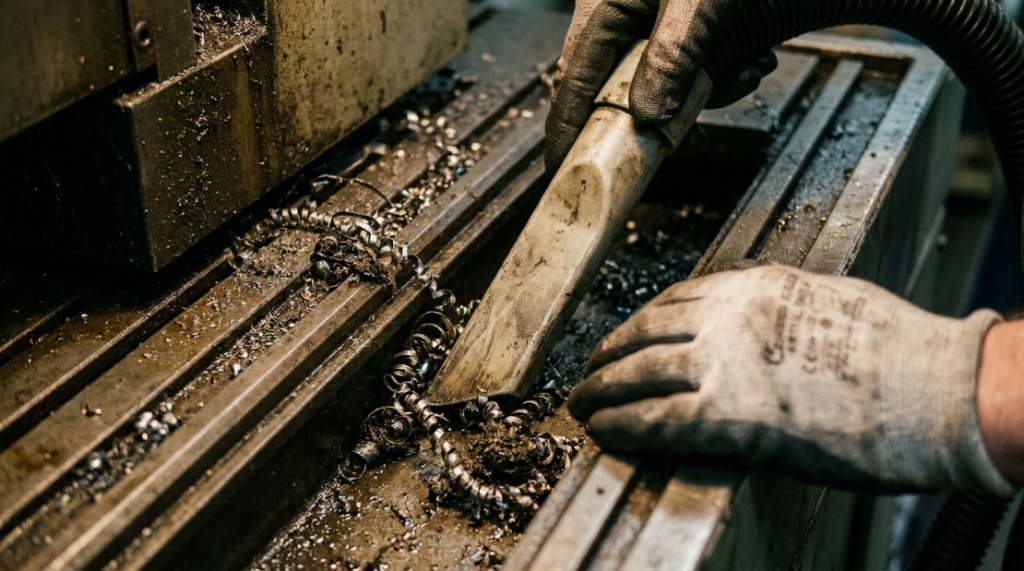
Stainless steel is essential if you frequently handle liquids or metal shavings. It resists rusting and denting, and it does not retain odors from chemical spills. Plastic tanks are lighter and cheaper, but they can crack in very cold weather or when dropped. Plastic is fine if you only do dry pickup, but for longevity in a workshop environment, steel provides a robust lifespan.
Will a shop vacuum scratch my car’s paint?
No, not if you use the correct soft brush attachment. The vacuum’s suction force itself will not damage paint. The risk is dragging the bare plastic nozzle across the clear coat, which can leave micro-scratches. Always use a brush or a soft cloth wrapped around the nozzle when cleaning vehicle exteriors. The suction is high, so you generally do not need to press the nozzle hard against the surface.
Conclusion
Making cleaning easier in a garage is less about buying a fancier mop and more about selecting the correct suction equipment. A dedicated shop vacuum simplifies tasks that regular vacuums cannot handle, from sucking up soggy leaves to extracting metal shavings and dusty concrete residue. It combines multiple tools into one powerful unit, saving you time and physical effort. To get the most out of it, match the filter and bags to your primary tasks—bags for fine dust and no filter for wet pickup—and monitor the filter’s condition to protect the motor. With correct use and a few key attachments, a shop vacuum transitions from a cleanup chore to the most practical tool in your garage. It turns a weekend of reckless project after-project mess into a manageable 15-minute pick-up, so you can spend more time making and less time cleaning.



Leave a Reply