
You want to get outside, send your project, and not spend a fortune doing it. The problem is that climbing ropes are expensive, and the fear of buying a dud that fails at the worst moment is real. You need a line that handles falls, resists abrasion, and lasts for years—but you also need to keep your gear budget in check. The good news is that you don’t have to pay premium prices for premium performance. By understanding rope construction, knowing which features actually matter, and shopping strategically, you can find cheap outdoor climbing ropes that are safe, durable, and ready for adventure.
What Actually Makes a Climbing Rope “Cheap” or “Expensive”?
The price of a rope comes down to materials, manufacturing technology, and brand markup. A cheap rope isn’t necessarily a bad rope—it just means the manufacturer cut costs somewhere. The trick is identifying where those cuts happen and whether they affect safety.
Material Differences: Nylon vs. Polyester vs. Blends
Most dynamic ropes use nylon for its excellent energy absorption. Cheaper ropes might use a higher percentage of polyester or lower-grade fibers. Polyester is more abrasion-resistant but absorbs less impact energy. A rope with too much polyester will feel stiff and may not handle hard falls as smoothly. Look for ropes that specify “100% nylon” or a nylon-dominant blend.
UIAA Certification: The Non-Negotiable Standard
If a rope doesn’t have UIAA certification, don’t buy it. This independent standard tests impact force, number of falls held, and sheath slippage. You can find affordable ropes with UIAA tags—they just won’t have the flashy marketing of premium brands. Always check the label or product description for this certification.
Brand Markup vs. Real Performance Gains
Paying double doesn’t always double performance. Premium brands spend heavily on R&D and sponsorship. Budget brands often use similar manufacturing processes but with simpler sheaths or less refined handling. For a beginner or weekend warrior, the difference is negligible compared to the price gap.
Why Do Some Cheap Climbing Ropes Fail Early?
Most early rope failures come from poor maintenance or bad storage, not from the initial purchase price. However, some budget ropes have thinner sheaths that wear out faster on rough rock. Understanding failure points helps you avoid them.
Sheath Thickness and Abrasion Resistance
A rope with a thin sheath (less than 2mm) will wear through faster, especially on granite or gritty sandstone. If you climb in abrasive areas, pay a little more for a rope with a thicker sheath even if it’s from a budget brand. The cost per use will be lower because it lasts longer.
Core-to-Sheath Ratio
The core carries the load, and the sheath protects it. A cheap rope with a low core-to-sheath ratio (like 60:40) has less dynamic material, meaning it might handle fewer falls. Look for a ratio around 70:30 or higher. This information is often listed in tech specs.
Water Absorption Issues
Budget ropes sometimes lack dry treatments. If you climb in wet conditions or ice, water-soaked ropes lose strength and freeze. A non-treated rope will absorb water, turn heavy, and become unsafe. For most outdoor use in dry climates, a non-treated rope is fine and saves money.
How to Choose the Right Diameter and Length for Your Needs
Diameter affects handling, weight, and durability. Length affects your max rappel distance and multi-pitch potential. Choosing correctly ensures you don’t waste money on specs you don’t need.
Single Rope Diameter: 9.4mm to 10.2mm
For all-around outdoor climbing, a 9.8mm to 10.2mm rope is durable and easy to handle. Thinner ropes (9.4mm–9.6mm) are lighter but wear faster and are harder to grip when your hands are cold. If you’re buying your first rope, go with 9.8mm—it’s a sweet spot between weight and durability.
Standard Lengths: 60m vs. 70m vs. 80m
Most single-pitch crags and gyms are fine with 60m. But many modern sport routes have longer rappels, and 70m is becoming standard. An 80m rope gives flexibility for multi-pitch but adds weight and cost. Buy 70m if you can afford it—it’s the safest length for most outdoor areas.
Bi-Pattern vs. Generic Pattern
Bi-pattern ropes have a distinct middle mark that makes threading a rappel easier. They often cost a bit more. For a budget option, buy a plain rope and mark the middle with a permanent marker or tape. Same functionality, lower price.
Can You Buy a Safe Dynamic Rope for Under $100?
Yes, absolutely. You can find UIAA-certified dynamic single ropes for $80–$100 if you shop sales or buy last season’s colors. The rope will be heavy and have a thicker diameter, but it will hold falls perfectly. Safety is not tied to price tag.
Understanding “Dry Treatment” and Whether You Need It
Dry treatment is a chemical coating on the sheath and core that repels water. It’s expensive. If you don’t climb in rain, snow, or ice, skip it. You’ll save 30–40% without any real downside for dry conditions.
Where to Find Discounted Climbing Ropes
Online gear retailers, outlet sections, and end-of-season sales. Mountain Project forums and local climbing gyms often have used gear at low prices. But caution: never buy a rope if you don’t know its complete history. If it’s taken a big fall or been exposed to chemicals, pass.
Bulk Buying and Multipacks
Some manufacturers sell two identical ropes as a “twin pack” or “double rope system” at a discount. If you climb with a partner frequently, splitting the cost makes each of you spend less. But you still each get a full dynamic rope.
Which Rope Type Is Best for a Beginner Who Climbs Outdoors?
For a beginner, the best rope is a single, 9.8mm–10mm, 70m, dry-treated rope from a reputable value brand. This setup is forgiving, easy to handle, and versatile. Don’t buy a half or twin rope as your first rope—they’re harder to manage and require specific partner skills.
Why Single Ropes Are Simpler for New Climbers
Single ropes are used alone, clipped through quickdraws directly. No need to learn complex clipping sequences. This reduces confusion and risk for someone still learning rope management.
Handling and Knot Tying Ease
Thicker ropes are easier to untie after heavy falls. A stiff but thick rope is easier to clip and tie knots with, especially you’re wearing gloves. This is a small but crucial factor for beginners.
Community Recommendations
Ask your local climbing gym or meetup group what they use. Usually, they’ll recommend a value-priced rope from brands like Edelrid, Mammut, or BlueWater that they trust for budget seasons. For a detailed rundown of tested affordable options, check this resource on cheap outdoor climbing ropes. It covers local terrain-specific suggestions and durability tests.
When Should You Retire a Cheap Climbing Rope?
Ropes have a finite lifespan, regardless of price. You should retire a rope after a major fall (factor 1 or higher), if it shows visible core damage, or if the sheath is worn through in spots. Follow the manufacturer’s guidelines, but use common sense.
Signs of Wear You Can See
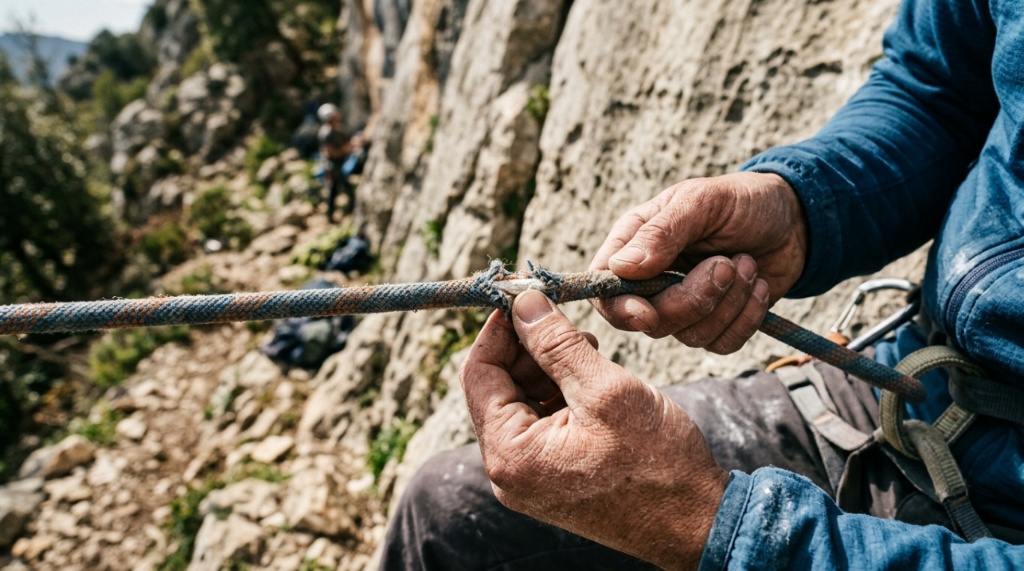
Check for “fuzziness” that exposes core fibers. Feel for flat spots or soft spots. If you can pinch the rope and feel a lump or flatten section, retire it immediately. Also, any discoloration or chemical smell means it’s compromised.
Impact of UV Light and Chemical Exposure
Sunlight and battery acid are silent killers. UV rays degrade nylon over time. If you store your rope in a hot car or in direct sunlight for weeks, it loses strength. Acid from battery terminals or even some cleaning chemicals can cause catastrophic failure.
Number of Falls and Fall Factor
A rope can hold many falls if it’s clipping falls (low factor). But a factor 2 fall (like a lead fall onto a direct anchor) is more severe. If you take one big factor 2 fall, replace the rope. No cheap rope is worth risking your spine.
How to Care for a Budget Climbing Rope to Make It Last Longer
Proper care extends the life of any rope, but especially budget models that might have slightly thinner sheaths. Following a simple maintenance routine can double its lifespan.
Cleaning Without Damaging Fibers
Use cold water and a mild soap specifically made for climbing ropes (like Nikwax). Never use detergents, bleach, or hot water. Wash in a tub or a front-load washing machine (no agitator) with a gentle cycle. Hang to dry indoors, away from direct sunlight.
Storage and Transport
Coil it loosely and store it in a rope bag or a breathable stuff sack. Keep it in a cool, dry place. Never hang a rope for long periods from a single point—this stretches the core unevenly. Also, avoid stepping on the rope, as dirt grinds into the sheath.
Extension of Use Across Projects
Rotate the ends of your rope. Mark one end with tape and use it for top-roping, the other for lead climbing. After a few sessions, switch. This distributes wear evenly across the rope’s length. Also, avoid using your climbing rope for towing or rescue practice—it’s not built for that.
What Is the Impact Force and Why Should You Care When Buying Cheap?
Impact force is the maximum force transferred to you and your gear during a fall. A lower impact force (less than 9kN) is kinder on your body and anchors. Cheap ropes often have higher impact forces, which can be jarring but are still safe if you’re not falling far.
Reading the Spec Label Correctly
Look for the “UIAA falls” number. This indicates how many falls of a specific severity the rope can withstand. A number like 5 is standard. A number like 8 is better but not essential. A cheap rope with 5 UIAA falls is totally safe for normal use.
Why Stiffness Matters in a Budget Rope
Stiff ropes are harder to clip but offer more durability. They also feed through ATCs and GriGris more predictably when they’re new. A stiff rope softens after a few uses, so don’t overthink initial texture.
Balancing Weight vs. Durability
Budget ropes are heavier because they use thicker sheaths and cores. If you’re doing long approaches, this weight adds up. But for gym-to-crag sessions, the extra 200 grams is a non-issue compared to the $100 you save.
Which Brands Offer the Best Value for Money in Outdoor Ropes?
Some brands prioritize performance, others affordability. For budget-conscious climbers, brands like BlueWater, Edelrid, Mammut (when on sale), and Beal’s entry-level lines provide solid options. Don’t overlook house brands from major retailers like REI Gear or Backcountry’s own lines.
Comparison of Budget-Friendly Models
| Brand | Model | Diameter | Length | Price Range | Best For |
|---|---|---|---|---|---|
| BlueWater | Eliminator | 9.8mm | 60m–70m | $90–$120 | All-around durability |
| Edelrid | Orion | 9.9mm | 70m | $110–$140 | Good handling |
| Mammut | Infinity (older models) | 9.8mm | 70m | $100–$130 | Versatility |
| Beal | Apollo II | 9.8mm | 60m | $85–$110 | Budget sport climbing |
| REI Co-op | Trail 9.8 | 9.8mm | 60m | $80–$100 | Best entry-level |
Why Brand Reputation Matters Less Than Certification
Any brand that passes UIAA testing is trustworthy. The difference in quality between a $100 and $200 rope is often in handling nuances, not safety. So choose the cheaper one if it has the right specs, Looking for local options or specialized regional advice? Learn how to Choose Safe Climbing Ropes in PA before making your final gear purchase.
Buying Last Season’s Colors
Ropes are often marked down 30-40% just because the color was discontinued. The performance is identical. Watch for these deals on your favorite retail sites or directly from manufacturers.
Is It Worth Buying a Used Climbing Rope to Save Money?
No. This is the one piece of climbing gear you should never buy used. You don’t know its fall history, if it’s been exposed to chemicals, or if it has internal damage. A used rope might cost half the price, but the risk is not worth it.
What About “Almost New” Ropes from Friends?
If you trust the person and they confirm the rope has only seen light gym use, you might consider it. But ask pointed questions: How many falls? Any abrasion? Was it ever dropped on sharp edges? Be rigorous.
The Hidden Cost of a Used Rope
If it fails, you pay with medical bills or worse. A new budget rope costs $80. That’s less than a day in the hospital. It’s a false economy to buy used.
Alternatives to Buying Used: Factory Seconds
Some manufacturers sell “factory seconds” that failed cosmetic inspection but passed all safety tests. They might have a small weave flaw or a slight cosmetic discoloration. These are safe and often discounted heavily. Look for these deals from retailers or direct.
Frequently Asked Questions
How long does a cheap climbing rope last?
If you climb once a week and care for the rope properly, it can last up to 3–5 years. The biggest factor is abrasion, not time. Replace it sooner if you see visible wear or after a big fall.
Can I use a dynamic rope for top-roping only?
Yes, but it will wear faster because it rubs against the anchor carabiner. Use a rope protector or an old carpet piece over the edge. Even then, it’s safe but not cost-effective long-term.
Is a 9.8mm rope too thick for beginner outdoor climbing?
Not at all. 9.8mm is actually ideal for beginners—it’s durable, easy to clip, and forgiving. Heavier than thinner ropes, but you won’t notice the difference on short climbs.
What is the difference between a dry-treated and non-dry rope?
Dry-treated ropes absorb less water, which prevents them from freezing and losing strength in wet conditions. Non-treated ropes absorb water but are fine for dry use. Save money by skipping dry treatment if you climb in dry climates.
How do I know if my rope has UIAA certification?
Look for a small label or tag on the rope end that says “UIAA” or “CE”. If it’s not visible on the product page, check the spec sheet. Never buy a rope without this certification.
Can I get a good rope for under $100?
Yes. Several models from REI, BlueWater, and Edelrid are available during sales for under $100. They are UIAA certified and reliable. You sacrifice some handling and weight but not safety.
Should I buy a 60m or 70m rope as my first rope?
Buy 70m if possible. It provides more flexibility at different crags. If a route is 35m, rappelling with a 70m rope allows a full 35m descent. A 60m rope is limiting, especially beach crags with long approaches.
Conclusion
Finding a cheap outdoor climbing rope that meets safety standards is completely doable. Focus on UIAA certification, choose a single rope between 9.8mm and 10mm, and buy 70m length. Skip unnecessary dry treatments unless you climb in wet conditions. Care for your rope diligently, and it will serve you for years. Understand that a cheap rope doesn’t mean an unsafe rope—it just means you made smart compromises on features that don’t affect performance for your style. Before you hit the checkout, check your local climbing community for recommended budget models. Take the time to compare prices across a few trusted retailers, and watch for seasonal sales. Your wallet and your climbing partners will thank you. Now get out there and climb safely and affordably.



Leave a Reply