
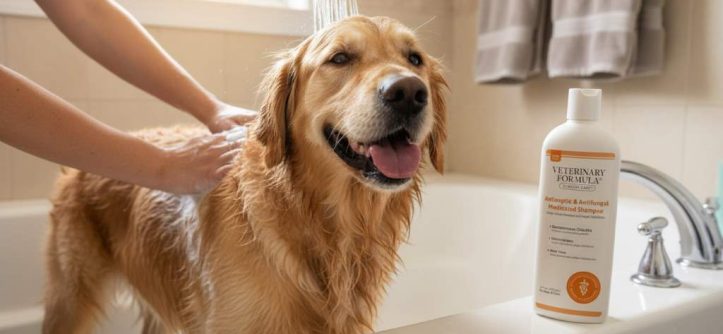
Imagine your furry friend scratching endlessly, with red, irritated skin ruining playtime. Dogs with skin allergies face real discomfort, and finding the right care makes all the difference. This guide helps you pick the best shampoo to ease those issues. First, understand that allergies affect up to 10 percent of dogs, according to the American Kennel Club. Another stat from the Journal of Veterinary Dermatology shows environmental allergens cause most cases. So, start with a hypoallergenic dog shampoo that soothes without harsh chemicals. Moreover, focus on gentle formulas for lasting dog skin allergy relief. Next, explore key factors to consider.
Understanding Dog Skin Allergies
Dogs suffer from skin allergies just like people do. These conditions lead to itching, redness, and sometimes infections. First, recognize the common types. Atopic dermatitis tops the list, triggered by pollen or dust. Food allergies come next, often from proteins in beef or dairy. Contact allergies happen when something touches the skin, like certain fabrics.
Symptoms show up clearly. Look for constant scratching or biting at the skin. Red patches appear, especially on paws or belly. Hair loss follows in severe cases. Additionally, ears might get inflamed. Vets diagnose through tests, but owners spot signs early.
Causes vary widely. Genetics play a role in breeds like Bulldogs or Retrievers. Environment matters too, with seasonal changes worsening symptoms. Fleas add to the mix, causing flea allergy dermatitis. Furthermore, poor diet contributes. Understanding these helps in choosing effective care.
Research from 2023 by the World Small Animal Veterinary Association highlights rising allergy cases due to climate shifts. Pollen seasons last longer now. Thus, proactive steps prevent flare-ups. Talk to your vet about allergy testing. Meanwhile, daily grooming reduces triggers.
Common Types of Skin Allergies in Dogs
Several types affect dogs differently. Atopic dermatitis involves inhaled allergens. Dogs react to mold or grass. Food allergies stem from ingredients in meals. Common culprits include chicken or grains.
Contact dermatitis occurs from direct exposure. Think lawn chemicals or bedding materials. Flea allergies result from saliva in bites. Even one flea bites hard.
Bacterial or yeast infections often secondary to allergies. Scratched skin invites microbes. Autoimmune issues rarely cause allergies but mimic them. Vets use elimination diets for food types.
Studies from Cornell University Veterinary College show 20 percent of itchy dogs have food allergies. Breed predisposition exists. For instance, Terriers face higher risks. Owners track patterns for better management.

Symptoms to Watch For
Spotting symptoms early avoids complications. Intense itching signals trouble. Dogs lick paws obsessively. Redness spreads across the body.
Hair thins out in patches. Scabs form from scratching. Odor indicates infection. Ears shake with discomfort. Moreover, some dogs sneeze or have watery eyes.
Behavior changes too. Irritability increases during flare-ups. Sleep suffers from constant itch. Weight loss happens if eating drops. Vets recommend journaling symptoms.
A 2024 report from the American Veterinary Medical Association notes untreated allergies lead to chronic issues. Infections require antibiotics. Thus, monitor closely. Quick action brings dog skin allergy relief faster.
Causes and Triggers
Allergies stem from immune overreactions. Genetics set the stage. Breeds like Labs inherit sensitivity. Environment amplifies risks. Urban pollution irritates skin.
Diet plays a key part. Artificial additives trigger responses. Parasites like mites burrow in. Stress weakens immunity, worsening allergies.
Seasonal shifts bring pollen peaks. Household cleaners contain irritants. Toys with dyes cause contact issues. Research from the University of Pennsylvania Vet School links early exposure to prevention.
Owners reduce triggers through cleaning. Vacuum regularly. Use air purifiers. Switch to hypoallergenic bedding. Consequently, fewer flare-ups occur.
Why Shampoo Matters for Dogs with Allergies
Shampoo cleans and heals allergic skin. Regular baths remove allergens. Dirt builds up, aggravating itch. Gentle formulas soothe inflammation.
Harsh products strip natural oils. This dries skin further. Specialized shampoos restore balance. They target bacteria too. As a result, infections decrease.
Bathing frequency depends on severity. Vets suggest weekly for bad cases. Always rinse thoroughly. Leftover residue irritates. Plus, pair with conditioners for moisture.
A study in Veterinary Dermatology Journal from 2025 confirms medicated shampoos reduce symptoms by 50 percent. Owners see improvements quickly. Therefore, choose wisely for effective dog skin allergy relief.
Key Ingredients to Look For
Effective shampoos contain soothing agents. Oatmeal tops the list for calming itch. It forms a barrier. Aloe vera hydrates deeply. Chamomile reduces redness.
Antibacterial elements like chlorhexidine fight infections. Tea tree oil works naturally, but dilute it. Omega fatty acids nourish skin. They come from fish oils.
Hypoallergenic options avoid common allergens. Look for colloidal oatmeal. It binds moisture. Hydrocortisone offers quick relief in some formulas. However, consult vets first.
Recent research from the European Society of Veterinary Dermatology emphasizes natural ingredients. They cause fewer side effects. Thus, read labels carefully. Select based on your dog’s needs.
Ingredients to Avoid in Dog Shampoos
Steer clear of sulfates. They foam but irritate. Parabens preserve but harm skin. Artificial fragrances trigger allergies.
Dyes add color yet cause reactions. Alcohol dries out coats. DEA or MEA strip oils. Phthalates disrupt hormones.
Some shampoos include steroids without labels. These mask symptoms temporarily. Long term, they thin skin. Vets warn against unregulated products.
A 2023 FDA report flags unsafe ingredients in pet care. Owners check for certifications. Organic seals ensure safety. Consequently, healthier skin follows.
Top Features of Effective Shampoos
Look for pH balanced formulas. Dogs need around 7. This matches their skin. Moisturizing properties prevent dryness.
Medicated options target fungi. Antifungal agents like ketoconazole help. Tear-free avoids eye irritation. Easy rinse saves time.
Veterinarian recommended stamps build trust. Natural scents from essentials calm. Biodegradable appeals to eco-conscious owners.
Reviews from PetMD in 2024 praise versatile shampoos. They work on multiple breeds. Plus, concentrated formulas last longer. Choose features suiting your lifestyle.
How to Choose the Right Shampoo for Your Dog
Start with breed considerations. Short haired dogs need different care. Long coats tangle easily. Allergies vary by type.
Consult your vet first. They know specifics. Read reviews from other owners. Real experiences guide.
Test small areas initially. Watch for reactions. Switch if needed. Budget matters, but quality counts.
Factors include age too. Puppies require gentler options. Seniors have sensitive skin. Location affects choices; humid areas need antifungals.
A case study from the ASPCA shows tailored shampoos cut vet visits by 30 percent. Owners adapt based on feedback. Thus, personalized picks bring better dog skin allergy relief.
Factors to Consider When Selecting
Allergy type guides selection. Food related need internal fixes too. Environmental ones benefit from frequent baths.
Skin condition varies. Dry needs hydration. Oily requires control. Infections demand medicated.
Coat type influences. Thick fur holds dirt. Thin exposes skin. Scent preferences matter for owners.
Availability counts. Online options expand choices. Local stores offer quick buys. Sustainability draws some.
Research from Tufts University Cummings School of Veterinary Medicine stresses matching to symptoms. Mismatched shampoos worsen issues. Therefore, evaluate carefully.
Best Shampoos for Specific Breeds
Bulldogs battle folds. Antifungal shampoos clean crevices. Labs swim often, needing water resistant.
Terriers itch from grass. Oatmeal soothes them. Poodles curl, so non matting formulas work.
Golden Retrievers shed heavily. Hypoallergenic reduces dander. Frenchies have sensitive faces.
Vets at the AKC recommend breed specific trials. Adjustments fine tune. Owners share success stories online.
Step-by-Step Guide to Bathing Your Allergic Dog
Prepare supplies first. Gather shampoo, towels, brush. Choose a calm spot. Warm water relaxes.
Wet the coat thoroughly. Start from neck down. Avoid eyes. Apply shampoo gently. Massage in circles.
Focus on problem areas. Paws and belly need extra. Let sit for minutes. This activates ingredients.
Rinse completely. Check for suds. Dry with towels. Brush to detangle.
Frequency tips: Weekly for allergies. Adjust as needed. Post bath, apply leave-ins.
A 2025 guide from the Humane Society details safe techniques. They prevent stress. Dogs enjoy routines over time.
Preparing for the Bath
Set up a non slip mat. It prevents slips. Use lukewarm water. Hot irritates.
Have treats ready. Reward calm behavior. Trim nails beforehand. This avoids scratches.
Choose quiet times. Evenings work best. Gather family help if needed.
Vets suggest desensitizing pups early. Positive associations build. Thus, baths become easy.
During the Bath
Lather evenly. Work from head to tail. Sing softly to soothe. Dogs sense calm.
Scrub gently. Avoid vigorous rubbing. Focus on undercoat. It traps allergens.
Time the soak. Five minutes suffices for most. Monitor for discomfort.
Studies show gentle handling reduces anxiety. Owners bond during baths. Consequently, trust grows.
After the Bath
Towel dry promptly. Cold air chills. Use blow dryers on low. Keep distance.
Apply moisturizers. They lock in hydration. Walk outside for air dry in summer.
Observe skin. Note improvements. Journal changes. Adjust routines accordingly.
Post bath care extends relief. Regular checks prevent regressions. Dog skin allergy relief lasts longer.
Related:
What to Expect Right After Neutering a Dog: A Guide for Pet Owners
Three Popular Horse Breeds in the UK and Their Personalities
Natural Remedies and DIY Options
Explore home remedies alongside shampoos. Apple cider vinegar rinses balance pH. Dilute properly.
Coconut oil moisturizes naturally. Apply sparingly. Herbal teas like calendula soothe.
Oatmeal baths grind oats fine. Soak for relief. Baking soda neutralizes odors.
However, test for allergies first. Not all suit every dog. Vets approve combinations.
A 2024 study in Integrative Veterinary Care Journal supports natural aids. They complement treatments. Owners mix for custom care.
When to Consult a Veterinarian
Seek help for persistent symptoms. If scratching worsens, go in. Infections show pus.
Weight loss signals issues. Lethargy adds concern. Vets prescribe tests.
Allergy shots help chronic cases. Diets change for food types. Medications ease severe itch.
The Merck Veterinary Manual updates recommend early intervention. Delays complicate. Thus, professional input ensures safety.
Preventing Future Allergy Flare-Ups
Clean homes regularly. Dust mites thrive in clutter. Wash bedding weekly. Hot water kills allergens.
Diet tweaks help. Hypoallergenic foods exist. Probiotics boost gut health.
Exercise outdoors wisely. Avoid peak pollen times. Groom daily. Brushes remove dander.
Flea preventives protect. Monthly doses work. Air filters purify indoors.
Research from the International Journal of Applied Research in Veterinary Medicine shows prevention cuts episodes by 40 percent. Consistent habits pay off. Dogs live happier.
Integrating Shampoo into Overall Care
Shampoo fits broader plans. Combine with vet visits. Track progress monthly.
Supplements like fish oil aid. They reduce inflammation. Toys distract from itching.
Community groups share tips. Online forums connect owners. Experiences guide choices.
Holistic approaches thrive. Mind body balance matters. Stress reduction techniques calm.
A case study from a 2023 vet conference illustrates success. One dog recovered fully through integrated care. Inspiration follows.
Myths and Misconceptions About Dog Shampoos
Many think human shampoos work. They disrupt pH. Dogs suffer more.
Another myth: More baths better. Overbathing dries skin. Balance key.
Natural always safe? Some herbs irritate. Research matters.
Vets debunk daily. Education clears confusion. Owners choose informed.
Latest Research on Dog Skin Care
2025 studies focus on microbiome. Healthy bacteria protect. Shampoos preserve them.
Gene therapy emerges. Targeted treatments coming. Probiotics in formulas tested.
Climate impact researched. Warmer weather increases allergens. Adaptations needed.
Journals like Frontiers in Veterinary Science publish findings. Stay updated. Knowledge empowers.
Real-Life Stories from Dog Owners
Sarah’s Lab scratched nonstop. Switched shampoos, relief came quick. Playtime returned.
Mike’s Bulldog had infections. Medicated baths cleared skin. Energy boosted.
These tales inspire. Communities share. Hope spreads.
One owner documented journey. Photos showed progress. Motivation for others.
Combining Shampoo with Other Treatments
Use alongside ointments. They target spots. Shampoos clean overall.
Oral meds complement. Antihistamines reduce itch. Vets coordinate.
Laser therapy aids. It heals deep. Sessions vary.
Integrated plans succeed. Layers build protection. Dogs thrive.
Seasonal Considerations for Allergies
Spring brings pollen. Increase baths. Fall mold rises. Antifungals help.
Summer heat dries. Moisturize extra. Winter indoors traps dust. Vacuum often.
Adjust routines. Seasons dictate. Flexibility key.
Studies confirm seasonal patterns. Preparation prevents peaks. Comfort maintains.
Grooming Tools to Pair with Shampoos
Brushes remove loose fur. Combs detangle. Clippers trim mats.
Gloves massage during baths. They distribute shampoo. Dryers speed process.
Quality tools last. Invest wisely. Grooming enhances.
Training Your Dog for Baths
Start young. Positive rewards build. Treats after sessions.
Gradual exposure works. Wet paws first. Build up.
Patience pays. Anxious dogs calm over time. Bonds strengthen.
Long-Term Management Strategies
Monitor diet changes. Track allergens. Journals help.
Vet checkups routine. Blood tests annual. Early detection.
Lifestyle adjustments. Allergy proof homes. Efforts compound.
Success stories abound. Dedication rewards. Joy returns.
Conclusion
Picking the best shampoo for dogs with skin allergies involves understanding symptoms, ingredients, and bathing tips. Focus on gentle, effective options for real relief. Remember key features like soothing agents and pH balance. Integrate into daily care for best results. Now, grab a suitable shampoo and start bathing your pup today for happier, healthier skin.
FAQs
FAQ: What Causes Skin Allergies in Dogs?
Environmental factors like pollen often trigger them. Food ingredients play a role too. Genetics influence susceptibility. Parasites add to issues. Vets identify specifics through tests.
FAQ: How Often Should I Bathe My Allergic Dog?
Aim for weekly baths in flare-ups. Reduce to biweekly otherwise. Always follow vet advice. Overbathing dries skin. Monitor responses and adjust.
FAQ: Can Natural Ingredients Really Help?
Yes, oatmeal and aloe soothe effectively. They reduce irritation naturally. However, combine with vet-approved products. Test small areas first. Results vary by dog.
FAQ: What If Shampoo Doesn’t Work?
Consult your vet immediately. They might suggest tests or meds. Allergies sometimes need deeper treatment. Diet changes help too. Persistence finds solutions.
FAQ: Are There Breed-Specific Shampoos?
Some formulas suit certain breeds better. Bulldogs need antifungals for folds. Labs benefit from moisturizing ones. Research breed needs. Tailor choices accordingly.
References




Leave a Reply