

Cooking clubs help students build practical life skills while creating lasting friendships. Many schools now recognise culinary activities as valuable opportunities for teamwork, leadership, and creative learning. Career focused education continues growing, and food related programs remain popular among high school students. Additionally, food safety training has become increasingly important because safe cooking habits reduce unnecessary risks and prepare students for future careers.
Whether you enjoy baking, meal preparation, or cultural recipes, a cooking club offers something meaningful. A well organised club encourages confidence through hands on experience and shared responsibilities. Furthermore, students learn budgeting, communication, nutrition, and time management during every activity. With careful planning, you can build a successful cooking club that benefits your entire school community.
Why Start a High School Cooking Club?
A cooking club teaches practical skills that students use throughout life. Members learn kitchen confidence while preparing simple and enjoyable recipes.
Students also improve teamwork by completing cooking tasks together. Consequently, every meeting strengthens communication and problem solving abilities.
Cooking activities introduce healthy eating habits through practical experience. Moreover, members discover ingredients, cooking methods, and balanced meal planning.
Many students also explore future careers in hospitality, nutrition, food science, and culinary arts. These experiences often inspire long term educational goals.
Define the Club’s Purpose
Every successful club begins with a clear mission. Decide exactly what your cooking club hopes to achieve.
Your goals may include:
- Learning basic cooking techniques
- Exploring international cuisine
- Promoting healthy eating
- Supporting community service
- Developing leadership skills
- Preparing students for culinary careers
A focused purpose helps attract interested members. It also makes approval easier for school administrators.
Find a Faculty Advisor
Most schools require a staff member to supervise student clubs. Choose someone interested in cooking, nutrition, family sciences, or hospitality education.
Your advisor should help with:
- School approval
- Meeting supervision
- Budget planning
- Safety oversight
- Communication with administrators
An experienced advisor also helps solve challenges before they become serious.
Get School Approval
Every school has its own approval process. Therefore, review student club requirements before submitting your proposal.
Prepare a simple club plan including:
- Club mission
- Meeting schedule
- Safety guidelines
- Budget estimate
- Equipment needs
- Advisor information
Presenting a complete plan demonstrates responsibility and organisation.
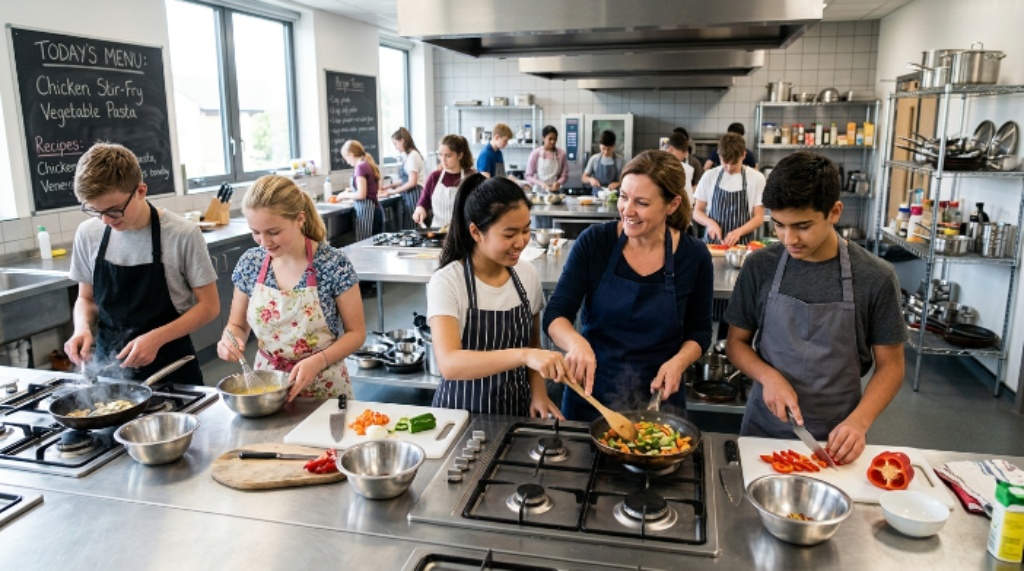
Recruit Club Members
Strong clubs welcome students with different experience levels. You do not need expert cooks to create an active membership.
Promote your club through:
- School announcements
- Posters
- Student newsletters
- Social media pages
- Classroom presentations
- Club fairs
Encourage friends to invite classmates who enjoy food, baking, or learning new skills.
Create an Inclusive Environment
Everyone should feel comfortable joining the club. Welcome beginners without expecting previous cooking experience.
Assign simple tasks during early meetings. As confidence grows, members naturally develop stronger cooking abilities.
Choose a Safe Cooking Location
Select a space that supports safe food preparation. Many schools already have family science kitchens or culinary classrooms.
If a kitchen is unavailable, consider activities using portable equipment after receiving school approval. Some meetings can also focus on meal planning, nutrition, recipe development, or cooking demonstrations.
Always ensure adequate ventilation, sanitation supplies, first aid materials, and adult supervision during cooking sessions.
Build a Realistic Budget
Cooking clubs do not need expensive equipment to succeed. Careful planning keeps costs manageable throughout the school year.
Common expenses include:
- Ingredients
- Mixing bowls
- Measuring tools
- Cutting boards
- Storage containers
- Disposable gloves
- Cleaning supplies
Keep financial records organised from the beginning.
Raise Club Funds
Many schools encourage student fundraising. Simple activities often generate enough money for monthly meetings.
Popular fundraising ideas include:
- Bake sales
- Snack stands
- Holiday cookie boxes
- Community dinners
- Recipe books
- Cooking workshops
Local businesses may also donate ingredients or kitchen supplies.
Plan Interesting Meetings
Consistent planning keeps members excited. Create a meeting calendar before the semester begins.
Alternate different activities throughout the year to maintain interest.
Example monthly themes include:
- Breakfast favourites
- Pasta night
- Healthy lunches
- Seasonal desserts
- International recipes
- Vegetarian meals
- Holiday baking
- Budget friendly cooking
Variety encourages students to continue participating.
Teach Essential Kitchen Safety
Safety should remain the highest priority during every meeting. Every member must understand basic kitchen rules before cooking begins.
Important safety habits include:
- Wash hands properly
- Clean work surfaces
- Store food correctly
- Prevent cross contamination
- Handle knives carefully
- Cook foods thoroughly
- Wear appropriate clothing
- Report accidents immediately
Regular reminders create responsible cooking habits.
Practise Food Hygiene
Food hygiene protects everyone participating in club activities. Good habits should become routine during every session.
Encourage members to label ingredients, refrigerate perishable foods promptly, and sanitise equipment after use. These simple practices reduce unnecessary health risks.
Create Leadership Opportunities
Student leadership strengthens club success. Share responsibilities instead of asking one person to manage everything.
Leadership positions may include:
- President
- Vice President
- Treasurer
- Secretary
- Event Coordinator
- Social Media Manager
- Equipment Manager
Rotating responsibilities also develops valuable leadership experience.
Organise Special Events
Special events create excitement while promoting the club across campus. They also attract future members.
Ideas include:
- Cooking competitions
- Family cooking nights
- Cultural food festivals
- Healthy snack demonstrations
- Holiday recipe exchanges
- Community charity meals
These events strengthen connections between students, families, and teachers.
Partner With Other School Groups
Collaboration expands learning opportunities. Work with clubs sharing similar interests.
Possible partnerships include:
- Gardening club
- Health club
- Science club
- Environmental club
- Student council
Joint activities often attract larger audiences while reducing overall costs.
Invite Guest Speakers
Professional chefs, dietitians, restaurant owners, and food entrepreneurs provide valuable knowledge. Students enjoy hearing real career experiences.
Guest speakers can demonstrate cooking techniques, discuss food safety, explain nutrition, or answer career questions. These sessions add variety throughout the school year.
Keep Members Engaged
Successful clubs encourage active participation instead of passive observation. Every student should contribute during meetings.
Rotate cooking teams regularly. Consequently, members learn different responsibilities while building stronger friendships.
Celebrate achievements by recognising improvement instead of perfection. Positive encouragement increases confidence over time.
Document Club Activities
Take photos after receiving appropriate school permission. Record recipes, achievements, meeting highlights, and completed projects.
Create a digital recipe collection featuring favourite dishes prepared throughout the year. Members enjoy revisiting successful recipes after graduation.
Club records also help future student leaders continue the organisation successfully.
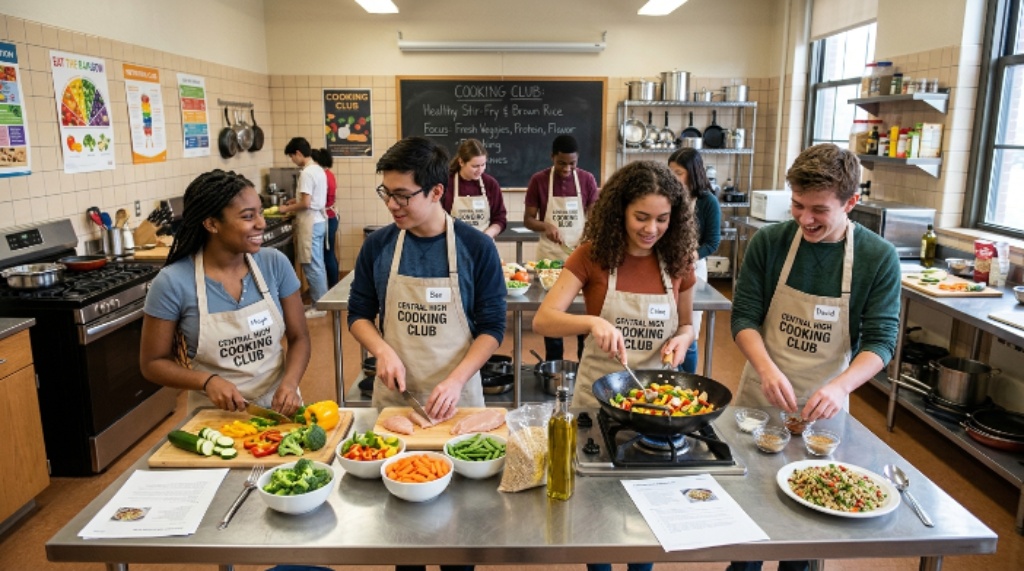
Evaluate Progress Regularly
Review club goals every semester. Ask members what they enjoy most and what improvements they recommend.
Helpful evaluation questions include:
- Which recipes were most popular?
- Were meetings organised?
- Did members learn new skills?
- Was the budget sufficient?
- What activities should return?
Continuous improvement keeps the club active and enjoyable.
Common Challenges and Solutions
Some clubs struggle with limited budgets. However, fundraising and community donations often solve financial concerns.
Scheduling conflicts may reduce attendance. Therefore, survey members before selecting regular meeting times.
Limited kitchen space can also create difficulties. Divide members into smaller cooking groups when necessary.
Finally, ingredient allergies require careful planning. Always collect allergy information before preparing food.
Long Term Benefits of a Cooking Club
Students gain much more than cooking knowledge. They develop responsibility through planning, preparation, and cleanup.
Cooking clubs also improve confidence because members create meals independently. Furthermore, teamwork strengthens communication and leadership abilities.
Many participants discover new cultural traditions through food. Others develop career interests that continue beyond high school.
Perhaps most importantly, students create friendships while learning valuable life skills that remain useful for many years.
Conclusion
Starting a cooking club in high school requires thoughtful planning, supportive leadership, and consistent organisation. Begin with a clear mission, recruit enthusiastic members, prioritise safety, and keep activities enjoyable throughout the year. Every successful meeting builds stronger friendships while teaching valuable life skills. Start planning today, gather interested classmates, and create a cooking club that inspires learning, creativity, and confidence.
FAQs
Do I need cooking experience to start a high school cooking club?
No, beginners can successfully start and grow a cooking club with proper planning and guidance.
How often should a cooking club meet?
Most high school cooking clubs meet once or twice each month.
What foods should beginners prepare first?
Simple recipes like salads, sandwiches, pasta, and baked goods work well for new members.
Does every cooking club need a faculty advisor?
Yes, most schools require an approved staff member to supervise student clubs.
How can a cooking club save money?
Fundraising, donations, careful budgeting, and simple recipes help reduce overall expenses.




Leave a Reply