
Your car’s engine runs hot by design. However, when temperatures climb beyond normal ranges, serious damage can occur. Many drivers don’t realize that debris accumulating underneath their vehicle can trigger overheating problems. This hidden threat develops gradually and often goes unnoticed until warning lights appear on your dashboard.
Understanding Your Vehicle’s Cooling System
Modern automobiles rely on complex cooling systems to maintain optimal engine temperatures. The radiator, coolant passages, and airflow channels work together constantly. When your car moves forward, air flows beneath the vehicle and helps cool various components. This natural ventilation plays a crucial role in temperature regulation.
The undercarriage contains several heat-sensitive parts. These include the radiator, transmission cooler, oil pan, and exhaust system. Each component needs adequate airflow to function properly. Therefore, anything blocking this airflow creates potential overheating risks.
How Debris Accumulates Under Your Car
Driving exposes your vehicle’s underside to countless materials daily. Leaves, mud, plastic bags, and dirt attach to various surfaces over time. Additionally, snow and ice build up during winter months. Road salt combines with moisture to create thick, sticky deposits.
Off-road driving accelerates debris accumulation significantly. Grass, branches, and rocks wedge into tight spaces beneath the vehicle. Even normal city driving causes gradual buildup, especially in wet climates. Parking near construction sites or unpaved areas increases exposure to dust and gravel.
The Connection Between Debris and Overheating
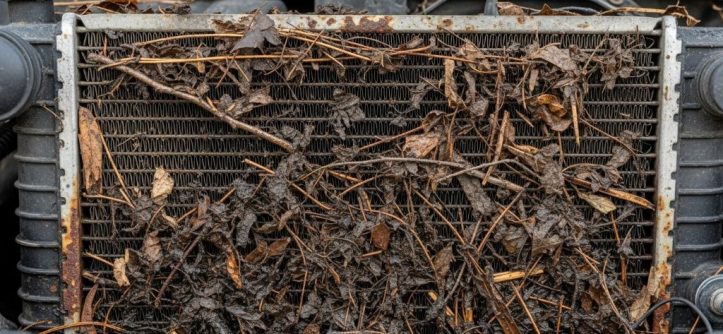
Debris blocks airflow in multiple ways. First, materials stuck to the radiator grille prevent cooling air from reaching the radiator core. This reduces the system’s ability to dissipate heat effectively. Second, accumulation around the engine bay traps hot air and prevents proper ventilation.
Mud caked on the undercarriage acts like insulation. It holds heat against components that need cooling. Furthermore, debris can physically obstruct cooling fans or damage fan blades. A damaged fan cannot move sufficient air through the radiator.
Transmission coolers face similar problems. These components sit low on many vehicles and collect road debris easily. When blocked, transmission fluid temperatures rise rapidly. Consequently, this can lead to transmission failure in addition to engine problems.
Specific Areas Where Debris Causes Problems
The radiator represents the most critical vulnerability. Leaves and plastic bags commonly press against the radiator fins from below. Once stuck, they create an effective barrier against airflow. Even a partially blocked radiator struggles to cool adequate fluid.
The area between the bumper and radiator collects debris frequently. This space, designed to channel air efficiently, becomes a debris trap. Removing the front bumper often reveals surprising amounts of accumulated material.
Skid plates and splash guards protect vital components but create collection points. Debris packs into corners and crevices behind these shields. Over time, layers build up and reduce ventilation significantly.
The exhaust system generates tremendous heat during operation. When debris wraps around exhaust components, it can ignite and cause fires. Additionally, blocked heat shields prevent proper heat dissipation from the exhaust manifold.
Warning Signs of Debris-Related Overheating
Temperature gauge readings climbing into the red zone indicate serious problems. However, earlier warning signs often appear first. Your engine may run hotter than usual without triggering dashboard warnings initially.
Reduced air conditioning performance suggests blocked airflow to the condenser. This component shares space with the radiator and faces similar debris issues. Meanwhile, unusual smells like burning leaves or plastic point to heated debris under the vehicle.
Steam rising from the hood clearly signals overheating. Never ignore this warning, as continued driving can cause catastrophic engine damage. According to automotive experts at Popular Mechanics, addressing overheating immediately prevents costly repairs.
Coolant leaks sometimes develop when debris damages hoses or radiator components. Check for puddles beneath your parked car regularly. Green, orange, or pink fluid indicates coolant loss.

Inspecting Your Vehicle’s Undercarriage
Regular inspections help identify debris before problems develop. Park on level ground and ensure the engine has cooled completely. Use a flashlight to examine accessible areas beneath the front bumper.
Look for leaves, plastic, fabric, or mud packed around visible components. Pay special attention to the radiator area and any mesh screens. Check whether cooling fan blades spin freely without obstruction.
A mechanic’s inspection provides thorough assessment. Professionals use lifts to access areas difficult to reach otherwise. They can remove skid plates and examine hidden accumulation points.
Seasonal inspections make particular sense. Spring cleaning removes winter salt and debris. Fall maintenance clears leaves before they compact and harden.
Cleaning Methods and Best Practices
Gentle methods work best for removing debris safely. Start with loose material by hand, wearing gloves for protection. Pull away visible leaves, plastic bags, and large items carefully.
Low-pressure water helps dislodge stuck debris without damaging components. Avoid high-pressure washers directly on the radiator, as they can bend delicate fins. Instead, spray from multiple angles using moderate pressure.
Soft brushes remove stubborn dirt and mud effectively. Brush in the direction of radiator fins to prevent damage. For heavily caked areas, allow water to soak briefly before brushing.
Compressed air blows debris from tight spaces efficiently. Use controlled bursts rather than continuous streams. This prevents forcing debris deeper into confined areas.
Professional undercarriage cleaning services use specialized equipment and techniques. These services prove worthwhile for severe accumulation or hard-to-reach areas. Many car washes offer undercarriage spray options as well.
Preventive Measures to Minimize Buildup
Installing aftermarket grille guards helps protect the radiator area. These accessories catch large debris before it reaches sensitive components. However, ensure any guard maintains adequate airflow.
Regular driving on highways helps clear loose debris naturally. Highway speeds create strong airflow that dislodges materials. Conversely, exclusively city driving allows more accumulation.
Parking location affects debris exposure significantly. Avoid parking under trees during leaf-fall seasons when possible. Similarly, stay clear of construction zones and unpaved areas.
Routine maintenance schedules should include undercarriage inspection. Mechanics can spot developing issues during oil changes and tire rotations. Therefore, maintaining regular service appointments provides ongoing protection.
Mudflaps and splash guards reduce the amount of debris thrown upward. Properly installed accessories keep more material away from vulnerable areas. Replace damaged guards promptly to maintain protection.
Long-Term Consequences of Neglected Debris
Ignoring undercarriage debris leads to escalating problems. Initially, minor overheating episodes may resolve themselves. Eventually, however, repeated stress causes permanent damage.
Warped cylinder heads result from extreme heat exposure. This serious condition requires expensive repairs or engine replacement. Blown head gaskets create similar costs and leave vehicles undrivable.
Transmission damage from overheating proves equally costly. Modern transmissions contain sensitive electronic components vulnerable to heat. Rebuilding or replacing transmissions represents major expenditure.
Corrosion develops when debris traps moisture against metal surfaces. Salt-laden mud accelerates rust formation dramatically. Structural components weaken over time, compromising vehicle safety.
As noted by experts at Consumer Reports, preventing overheating through regular maintenance costs far less than repairing heat damage.
Conclusion
Debris accumulation under your automobile creates serious overheating risks that many drivers overlook. Materials blocking radiator airflow, trapping heat, and damaging cooling components can transform minor issues into major failures. Regular inspections, proper cleaning, and preventive measures protect your investment effectively. By understanding how undercarriage debris causes overheating, you can take proactive steps to maintain your vehicle’s cooling system. Simple maintenance practices prevent costly repairs and extend your car’s operational lifespan significantly.
Frequently Asked Questions
How often should I check my car’s undercarriage for debris?
Inspect your undercarriage at least twice yearly, preferably during spring and fall. Additionally, check after driving through particularly muddy conditions, construction zones, or areas with heavy leaves. Monthly visual inspections of accessible areas provide ongoing monitoring between thorough cleanings.
Can I drive my car if debris is causing minor overheating?
No, continuing to drive with overheating issues risks severe engine damage. Even minor temperature increases above normal ranges stress engine components. Pull over safely, allow the engine to cool, and address the debris problem before resuming travel.
What’s the difference between radiator blockage and other overheating causes?
Debris-blocked radiators prevent proper coolant cooling despite adequate coolant levels and functioning thermostats. Other causes include low coolant, faulty thermostats, or water pump failures. Debris blockage specifically relates to restricted airflow rather than internal cooling system malfunctions.
Will a car wash remove undercarriage debris effectively?
Basic car washes provide limited undercarriage cleaning. Dedicated undercarriage spray options help remove loose dirt but may not dislodge compacted debris. For thorough cleaning, manual inspection and targeted removal or professional detailing services work better.
Does debris buildup affect fuel efficiency?
Yes, indirectly. When debris causes overheating, engines operate less efficiently. Additionally, accumulated mud and dirt add weight to your vehicle. The cooling system working harder to compensate for blockages also reduces overall efficiency and performance.
Related Topics:


Leave a Reply