
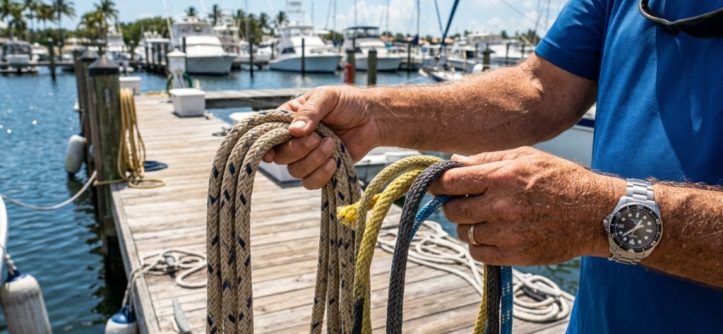
Dropping anchor in Florida’s gin-clear springs or navigating the choppy waters of the Atlantic demands gear you can trust. Yet, the moment you search for rope, you’re hit with confusing specs and wildly different prices. The real problem? Buying the cheapest line without understanding the environment often leads to snapped lines, lost anchors, and dangerous drifting. You need a balance of cost, strength, and durability—a line that survives scorching UV rays, abrasive limestone, and shifting tides without breaking the bank. This guide breaks down exactly how to select the best value, ensuring your boating adventures remain safe and budget-friendly.
What Makes a Rope “Affordable” in Florida’s Unique Marine Environment?
An affordable anchor rope for Florida isn’t just about the sticker price. It’s the total cost of ownership, factoring in longevity and performance against specific local stressors. A $20 line that lasts one season is more expensive than a $50 line lasting five years. The true value lies in the material’s resistance to UV degradation, abrasion from sandy bottoms, and the biological growth common in warm waters. When linking your secondary article, use an exact or partial match naturally within your content, such as ensuring your gear is reliable by exploring options for cheap outdoor climbing ropes without sacrificing safety if you need multi-use strength, though marine environments require dedicated rot-resistant lines.
The Hidden Costs of Cheap Nylon
Standard three-strand nylon is the traditional choice for its stretch and shock absorption. However, cheap nylon often uses lower-grade fibers that break down quickly under Florida’s intense sun. This leads to fading, fraying, and a significant loss of tensile strength within months, not years. While the initial purchase is low, the replacement frequency makes it the pricier option in the long run.
Why Polyester and Polypropylene Are Gaining Traction
Polyester resists UV damage far better than nylon and has less stretch, making it ideal for calm, shallow water anchoring. Polypropylene floats, which is convenient but weak and degrades rapidly in sunlight. For a balance of cost and durability, a high-quality polyester blend often offers the best value for Floridian boaters who anchor frequently.
Reading the Fine Print: Breaking Strength vs. Working Load
Affordable doesn’t mean weak. Always check the breaking strength, but pay more attention to the working load limit—usually 1/5 to 1/4 of the breaking strength. A line rated at 1,000 lbs breaking strength is only safe for holding a boat with a 250 lb load in calm conditions. Understanding this difference prevents catastrophic failure.
Why Is UV Resistance the #1 Factor for Florida Anchor Lines?
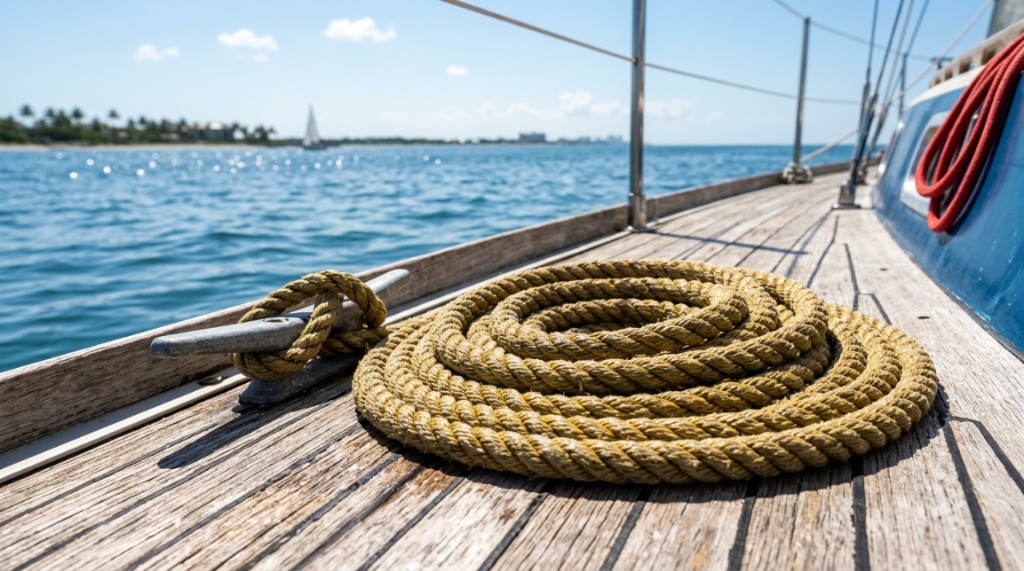
Florida averages over 230 days of sunshine annually. This intense solar radiation is the primary enemy of anchor ropes. UV rays break down polymer chains, causing the outer fibers to become brittle and chalky. Once the protective outer jacket fails, water penetrates the core, accelerating rot and compromising the entire line’s integrity.
The Science of UV Degradation in Nylon vs. Polyester
Nylon absorbs more UV radiation and suffers a faster loss of strength compared to polyester. Studies show nylon can lose up to 50% of its strength after six months of direct sunlight exposure. Polyester often retains 80-90% of its strength under the same conditions. This makes UV resistance a non-negotiable feature for Florida boaters.
How to Identify UV-Resistant Construction
Look for ropes labeled “UV-stabilized” or those with a tight braid that protects the core fibers. A double-braid construction is superior to three-strand twisted rope because the outer sheath shields the inner load-bearing core. While more expensive upfront, a quality double-braid polyester line is a long-term investment in safety.
Visual Signs Your Rope Is Failing
Check your line regularly for fuzziness, discoloration (especially a gray or white chalky residue), and a stiff or brittle feel. If the rope feels rough and sheds fibers when you rub it, the UV rays have already compromised its strength. Replace it immediately—a failure here is not worth the risk.
Which Rope Material Offers the Best Shock Absorption for Strong Tides?
For areas with strong tidal currents, like the Gulf Coast passes, shock absorption is critical to prevent the anchor from jerking loose. Nylon has the best elasticity, stretching up to 30% before breaking, which absorbs the sudden forces of waves and swells. Polyester only stretches about 12%, making it less forgiving in rough conditions.
When to Prioritize Stretch Over Price
If you anchor in exposed waters or deep channels, a slightly more expensive premium nylon rope is the safer choice. The stretch action acts as a shock absorber, reducing peak loads on the anchor and cleats. This prevents the anchor chain from snubbing and holds the boat more comfortably in choppy seas.
The Compromise: Composite Ropes
Some manufacturers offer blended ropes combining nylon’s stretch with polyester’s UV resistance. These are often more expensive, but they offer the best of both worlds for serious offshore anglers. However, for most recreational boaters in inshore waters, a high-quality polyester rope is the smart balance between price and performance.
Calculating the Right Diameter for Your Boat Size
A general rule is 1/8 inch of rope diameter for every 9 feet of boat length. A 20-foot boat needs at least 5/16 inch rope, while a 30-foot boat requires 3/8 inch. Going thinner might save money, but it drastically increases the risk of snapping under load. Always err on the side of a slightly thicker line for insurance.
How Long Should an Anchor Rope Be for Florida Waters?
You need an anchor line length of 7 to 10 times the water depth, plus a lead-in of 10-20 feet for the chain. This “scope” ratio is non-negotiable for a secure hold. Florida’s shallow flats might only need 75-100 feet, but offshore reefs can require 200-300 feet for a safe overnight anchorage.
The 7:1 Scope Rule Explained
A 7:1 scope means for every foot of water depth, you need 7 feet of line out. This low angle of pull keeps the anchor flukes buried horizontally into the seabed. A shorter scope pulls the anchor upward, causing it to drag. This is the primary cause of anchors failing in Florida’s grassy or sandy bottoms.
Chain vs. Rope: The Critical Connection
Never attach your anchor directly to the rope. You need 10-20 feet of galvanized or stainless steel chain between the anchor and the rope. The chain adds weight to keep the pull angle low, protects the rope from abrasion on the seafloor, and provides extra holding power. This combination is the only safe method.
Measuring Your Actual Scope
Don’t guess—calculate your scope before dropping anchor. Use a depth sounder to find the bottom, then pay out the correct amount of rope. For example, in 20 feet of water, you need 140 feet of rope plus chain out. This conservative approach ensures you’ll wake up in the same spot you anchored.
Can You Use a Floating Rope for Anchors in Florida?
Technically yes, but it’s a bad idea. Floating ropes (polypropylene) are easier to handle and don’t absorb water, but they present two major problems. First, they lack the weight to stay taut, causing the anchor to lose its grip. Second, floating line is more susceptible to propeller entanglement and damage from barnacles.
The Propeller Danger
Because the rope sits on the surface, there’s a high risk of wrapping around your own propeller when maneuvering around the anchor. This can strip the line quickly and lead to a stranded boat. A sinking line lies flat on the bottom, out of the way of your running gear.
Mangrove and Rock Fouling
In Florida’s mangrove estuaries, floating line tangles easily on exposed roots and branches. A sinking line slides under debris, reducing snags. Similarly, on limestone ledges, floating line abrades against sharp rocks because it moves with the current, whereas a sinking line stays put and is protected by the chain.
Testing for Sinking Characteristics
Most braided and three-strand nylon/polyester ropes sink naturally. You can test this easily by dropping a coil into a bucket of water. If it floats, avoid it for anchoring. The only benefit of floating line is for towing skiers, not for securing your vessel.
How to Inspect and Maintain Your Affordable Anchor Rope
Regular inspection extends the life of any rope, but it’s especially vital for budget-friendly options used in harsh conditions. Look for cuts, chafe, and broken strands—not just on the surface but deeper inside. A simple visual inspection before every trip takes two minutes and prevents a multi-thousand-dollar incident.
The Bend Test for Internal Damage
Fold the rope in half and run your fingers along the bend. If you feel a soft or mushy spot, the core fibers are broken. This happens from overloading or sharp impacts, often without visible outer damage. This is a definitive sign to cut the rope and re-splice or replace it entirely.
Cleaning Salt and Sand
Salt crystals inside the weave grind against fibers, acting like sandpaper. Rinse your anchor rope with freshwater after every saltwater trip. Let it dry loosely coiled, out of direct sunlight. This simple 5-minute habit can triple the lifespan of your line, making it truly affordable.
Storing Your Rope to Prevent Mold and Rot
Never store a wet rope in a dark, sealed bag. This encourages mildew and allows salt to crystallize. Instead, flake it loosely in a ventilated bucket or rope locker. Drape it over the railing to dry completely before stowing it below deck. Proper storage is half the battle.
Where to Buy Quality Anchor Rope Without Overpaying
Big box marine stores offer convenience, but often at a premium for brand names. Independent suppliers or online retailers often have better prices on bulk coils. However, you must verify the specs carefully. Buying by the foot from a trusted source allows you to get exactly what you need without waste.
Online vs. Local: Pros and Cons
Online stores have lower overhead, which usually translates to cheaper prices per foot. The downside is you cannot feel the rope before you buy. Local chandleries let you inspect the weave, but you might pay 20-30% more. For the best balance, read detailed reviews and check the specific material composition.
Understanding “Mooring” vs. “Anchor” Rope
Mooring lines are often thicker and stiffer, designed for permanent dock lines. Anchor lines need to be more flexible and softer to handle the shock and cleat line. Don’t buy a mooring line for anchoring, even if it’s cheaper—it won’t handle the repeated stress of anchoring cycles.
Why Buying by the Foot Saves Money
Pre-packaged lengths often force you to buy 100 or 150 feet when you only need 50. Buying by the foot allows you to tailor the length exactly to your boat’s anchoring habits, avoiding the cost of unused rope. Pair this with high-quality shackles and thimbles for a complete, reliable system.
The Ultimate Guide to Splicing and Connecting Your Anchor Line
A poorly tied knot can reduce rope strength by up to 50%. An eye splice maintains 90-95% of the line’s breaking strength. Learning to splice your line to a heavy-duty thimble is a crucial skill that saves money and increases safety on the water.
Step-by-Step: Creating an Eye Splice
First, unlay the rope strands about 10 inches. Second, tape the ends to prevent fraying. Third, tuck the strands over and under the opposite strands of the standing part of the rope. Complete three full tucks, then taper the ends. This is physically demanding but takes just 15 minutes with practice.
Using Shackles and Thimbles
Always use a stainless steel or galvanized shackle that matches your chain size. Thread the shackle through the thimble, not the rope directly. The thimble prevents the rope from crushing under pressure. Tighten the shackle pin with a wrench, not just by hand, and consider a safety wire to prevent unscrewing.
Testing Your Connections
Before trusting a new splice, test it with a steady pull using a winch. Pull it to the maximum working load and check for slippage. A proper splice will not slip at all. If you see movement, redo the splice. Never trust your life to a suspect knot.
How Much Should You Actually Spend on an Anchor Rope?
Expect to pay between $1.50 and $3.00 per foot for a high-quality, UV-resistant polyester or premium nylon rope in the 3/8″ to 1/2″ diameter range. Anything cheaper often lacks the UV stabilizers needed for Florida’s sun. Spending $150 on a quality line is cheaper than a $500 tow bill or losing a $300 anchor.
Calculating Your Annual Cost
Divide the total cost of the rope by its expected lifespan. A $150 line lasting 5 years costs $30 annually. A cheap $75 line needing replacement every year costs $75 annually. The more expensive option is financially smarter and offers better peace of mind.
The Value of Premium Features
Some ropes come with a high-visibility color (like yellow or orange) which is easier to see in murky water. Others have a built-in float for the first few feet to make deployment easier, but this is only the tag end—not the whole line. Weigh if these features justify the small price bump.
Where Does the Backlink Fit In?
When you’re ready to search for a reliable product that won’t break the bank, you can find curated options for an affordable anchor rope for Florida that have been vetted for local conditions. This resource simplifies the selection process by comparing top-rated lines specifically for UV resistance and abrasion, saving you hours of research. It is always smart to check a trusted source before making a final purchase, especially when your safety depends on the gear.
What Are the Most Common Mistakes Boaters Make with Anchor Rope?
The biggest mistake is buying the cheapest rope without considering the combination of UV, abrasion, and stretch. The second is using too little scope. The third is neglecting to check for chafe where the rope runs through the bow chock. These errors cause over 80% of anchor drag incidents in Florida.
Mistake #1: Ignoring the Chafe Point
The rope rubs against the fiberglass or metal of the bow roller continuously. This friction generates heat and wears down the outer jacket. Use a chafe guard—a length of neoprene or leather that wraps around the rope at this point. This is a $5 fix that prevents a $100 rope from failing.
Mistake #2: Anchoring in Grass Without a Chain
Grass bottoms, common in the Florida Keys, are tricky. The chain is not just for weight—its sharp links cut through the grass to allow the anchor flukes to penetrate the sand underneath. Without a long chain, the rope just slides across the grass, dragging the anchor with it.
Mistake #3: Not Having a Trip Line
In rocky or reefy bottoms, anchors get stuck. A trip line attached to the crown of the anchor allows you to pull it out backward. This saves you from having to cut your expensive rope to free the anchor. Always rig a trip line when in complex underwater terrain.
When Should You Replace Your Anchor Rope?
Replace your anchor rope immediately if you notice any of these: visible broken strands, stiffness, or a reduction in diameter by more than 20%. Also, replace it after any severe strain, such as being caught on a snag and having to power out. The rope’s safety margin is depleted after such an event.
Annual Replacement vs. Inspection
Most recreational boaters should inspect their rope quarterly and replace it every 3-5 years, depending on exposure. If you live on your boat and anchor continuously, replace it every 2 years. Mark your rope with a tag at purchase to track its age. Seasoning makes the rope more pliable but also reduces its strength.
The “Scratch Test” for Fiber Degradation
Take a sharp knife and gently scrape the outer surface of the rope. If the fibers come off in a fine, powdery dust, the rope is badly UV-degraded. If they come off as a clean, intact fiber, the rope is still healthy. This quick test gives a definitive answer about its condition.
Disposing of the Old Rope
Do not throw old rope in the ocean. It’s a hazard to marine life. Recycle it if your municipality offers nylon recycling, or repurpose it for fender lines or crab trap lifts. Proper disposal keeps Florida’s waterways clean and healthful.
Frequently Asked Questions
Is nylon or polyester better for an anchor rope in Florida?
Polyester is better for UV resistance and less stretch, making it ideal for calm, sunny days. Nylon is better for shock absorption in rough water. For all-around Florida use, a high-quality nylon with UV inhibitors is the most versatile and safest choice.
Can I use a dock line for anchoring?
No. Dock lines are often stiffer and not designed for the abrasive environment of the seabed. Anchor lines need to be more flexible and have specific stretch characteristics. Using a dock line will lead to premature failure and potential loss of your anchor.
What is the best rope diameter for a 24-foot boat?
For a 24-foot boat, you should use a 3/8-inch rope. This provides a working load of around 2,000 lbs, which is sufficient for moderate winds and currents. Always match the rope strength to the holding power of your anchor and the weight of your boat.
How do I stop my anchor rope from twisting?
Use a swivel between the chain and the anchor. This prevents the boat from twisting the rope as it swings with the current. However, make sure the swivel is high-quality and not a point of weakness. A faulty swivel can cause in-line failure.
Should I buy a rope with a splice or tied knot?
Always buy or create a splice. A properly done splice retains up to 95% of the rope’s strength, whereas a knot like a bowline reduces strength by 40-50%. The stronger connection is a matter of safety, not just cost.
Can I repair a frayed anchor rope?
If the fraying is only on the outer sheath and the core is intact, you can use a chafe guard to cover it. If you see broken core fibers, it cannot be repaired safely. Cut off the damaged portion and re-splice the end, provided you have enough extra length.
What is the difference between anchor line and anchor rode?
Rode is the complete system: the rope, the chain, and the shackles that connect your anchor to the boat. Anchor line refers specifically to the rope portion. Understanding this distinction helps you buy the correct components for a complete anchoring system.
Conclusion: Anchor Smart, Spend Less
Choosing an affordable anchor rope for Florida isn’t about cutting corners—it’s about making informed decisions that match your boat, your anchoring habits, and the local environment. Prioritize UV resistance and a proper rope-to-chain connection. Remember that a higher initial cost often saves you money over time through durability. Inspect your line regularly and replace it before it fails, not after. By following these guidelines, you ensure every anchoring session in the Sunshine State is safe, secure, and easy on your wallet. Equip yourself with the right rope today and enjoy the water without worry.


Leave a Reply